What Is Crypto PR? Everything You Need to Know in 2026

What Is Crypto PR?

Crypto PR, or cryptocurrency public relations, is all about shaping the reputation of a blockchain project. It helps build trust with the media, investors, developers, and the crypto community through strategic media outreach, compelling storytelling, and transparent communication. It also includes crisis and reputation management, which is crucial in the fast-paced world of Web3.

At our crypto marketing company, we’ve worked with dozens of crypto projects, helping them tell their story, earn media credibility, and stay visible when it matters most. Over the years, we’ve seen what works and what doesn’t in crypto PR. 

In this guide, we share those lessons, showing how PR in 2026 differs from traditional approaches, the types of campaigns that get results, and how to measure success at every stage.

What Is Crypto PR?

What Is Crypto PR?

At its core, crypto PR is about managing communications, public perception, and reputation for blockchain projects, cryptocurrency startups, and Web3 initiatives. That sounds simple, but in practice, it’s more complex than traditional PR.

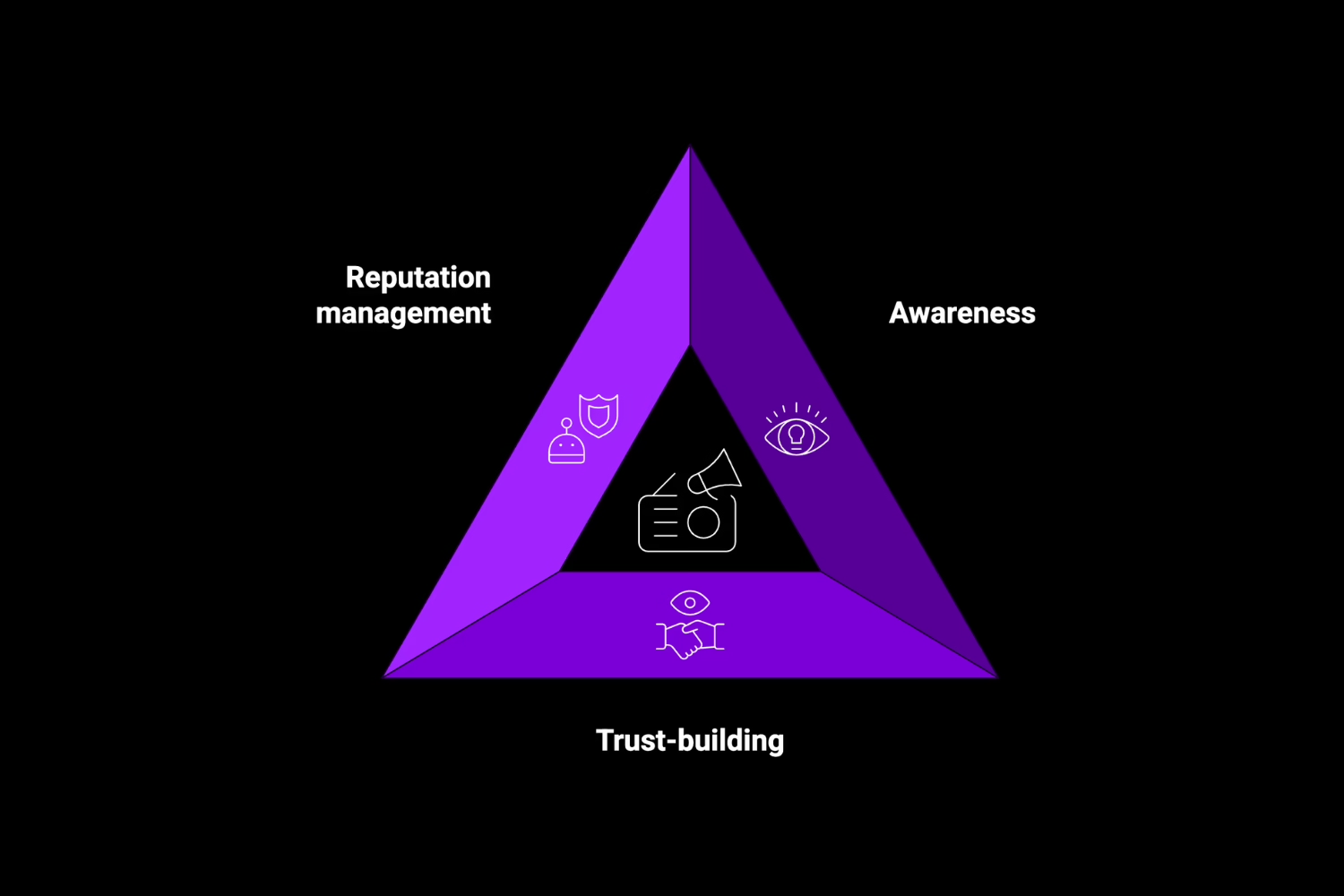
It breaks down into three core areas:

  1. Awareness: Making sure your token launch, protocol update, or NFT collection reaches the right audience through media coverage, KOL mentions, and editorial features.
  2. Trust-building: Creating confidence among investors through clear, consistent communication instead of hype or vague promises.
  3. Reputation management: Handling challenges when things go wrong, such as market downturns, smart contract issues, regulatory pressure, or community criticism.

What makes crypto PR different from regular marketing is that your audience is active and engaged. They vote on governance proposals, join Discord AMAs, and check on-chain data before deciding if your project is worth their attention. PR has to speak to this knowledgeable audience while still being understandable for newcomers.

Crypto PR vs Crypto Marketing: What’s the Difference?

Crypto PR and crypto marketing are closely connected, but they serve different purposes.

Crypto marketing focuses on the channels you control. This includes paid advertising, social media campaigns, influencer partnerships, email marketing, and community growth. It’s how you communicate your message directly to your target audience.

Aspect

Crypto Marketing

Crypto PR

Control

Full control over the message

Editors and journalists decide

Cost model

Pay per placement/click

Retainer or campaign fee; coverage is earned

Trust signal

Lower — audiences know it’s paid

Higher — independent third-party validation

Speed

Immediate

Days to weeks for earned coverage

Longevity

Stops when the budget stops

Coverage compounds; cited by search and AI

Best for

Conversions, user acquisition

Credibility, investor trust, crisis defence

Crypto PR is about building credibility through third-party recognition. It focuses on securing media coverage, developing relationships with journalists, shaping your project’s narrative, and managing your reputation. 

The strongest Web3 projects use both together. Marketing helps generate awareness, traffic, and conversions, while PR builds the trust and credibility that support long-term growth. When potential investors, users, or partners research your project, seeing coverage from respected crypto publications can reinforce confidence and make your marketing efforts significantly more effective.
Why Is Crypto PR Important for Web3 and Blockchain Projects?

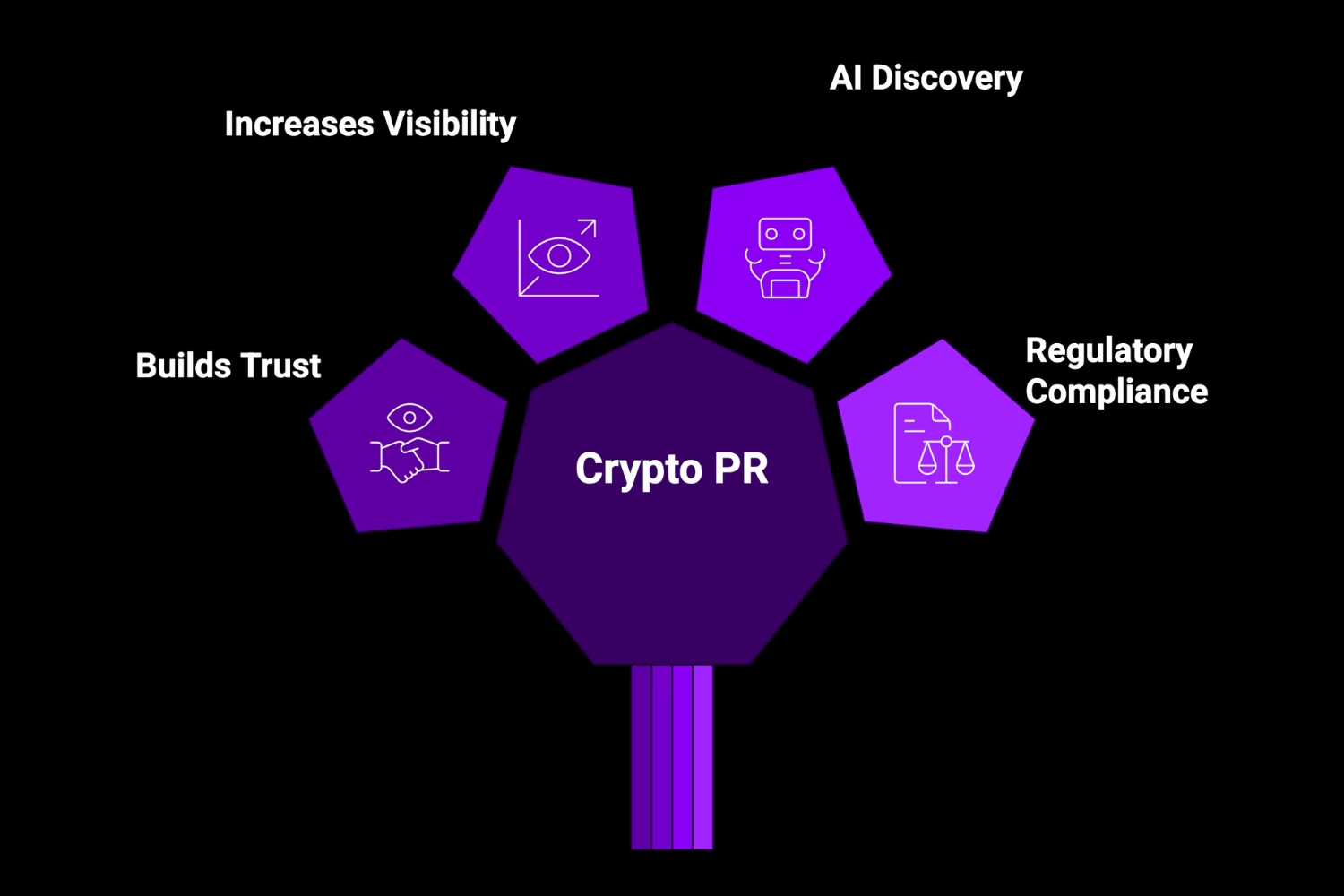
Why Is Crypto PR Important for Web3 and Blockchain Projects?

In the blockchain industry, the competition is tough. There are tens of thousands of projects across DeFi, L1S, L2S, play-to-earn games, and other areas of crypto. 

Without a clear PR plan, even strong projects can stay unknown to investors and communities that could support them. We have seen this happen often: great technology, but little attention because no one outside their Telegram group knew they existed.

Another reason crypto PR has become increasingly important is AI visibility. More investors are using AI tools like ChatGPT, Perplexity, and Google’s AI Overviews to research blockchain projects instead of relying solely on traditional search engines.

These AI systems tend to surface projects that are consistently mentioned by reputable publications and trusted industry sources. Without earned media coverage, your project is less likely to appear in AI-generated recommendations, making it harder for potential investors, partners, and users to discover you. Strong PR doesn’t just improve your reputation—it also helps increase your visibility in the AI-powered search experiences that are shaping how people research and evaluate Web3 projects.

Regulations are also becoming more important. With the EU’s MiCA rules active and the US GENIUS Act passed, projects need to communicate clearly to show they follow the rules. Waiting until questions come up is too late.
How Is Crypto PR Different From Traditional PR?

Crypto PR is very different from regular PR. Using an agency that does not specialize in crypto can hurt a project.

Aspect

Traditional PR

Crypto PR

Audience

General public

Investors, developers, token holders

Speed

Daily or weekly

Real-time

Community

Passive

Active participants

Channels

TV, print, mainstream media

Crypto media, Discord, X

Trust

Brand reputation

On-chain data, audits

Regulations

Standard guidelines

Token compliance, global rules

Crisis response

Days or weeks

Hours or minutes

Speed

Traditional PR is built for a 9-to-5 world; crypto operates on a 24/7 global block-clock. When a black-swan event or a smart contract exploit occurs, your window for narrative control is measured in blocks, not business days. Our reactive newsjacking strategies ensure that theKOLLAB clients are not just responding to the news—they are shaping the industry’s reaction in real-time.

Audience

Crypto readers are not casual consumers. They understand whitepapers, tokenomics, and vesting schedules. Editors at crypto media ignore marketing content. Messages that sound like promotions are often ignored.

Community Involvement

In traditional PR, the audience is mostly passive. In crypto, communities are active. Token holders participate in governance and discussions on platforms like Discord, Telegram, and X. PR and community work must be coordinated.

Regulations

Crypto ads must follow local rules in every country you target. In the EU, ads follow MiCA; in the U.S., SEC, CFTC, and FinCEN rules apply, and in the U.K., the FCA sets the standards. Singapore uses MAS, Canada uses FINTRAC, and Argentina requires CNV VASP registration. 

Each country has its own licensing, disclosure, and risk warning requirements. One wrong claim about token value, returns, or unapproved products can lead to fines, account suspensions, or permanent ad bans. Even with Google approval, advertisers are responsible for following all local regulations.

Types of Digital PR Campaigns for Crypto Projects

Types of Digital PR Campaigns for Crypto Projects

Not all crypto PR campaigns look the same. The best approach depends on your project’s stage, goals, and timing.

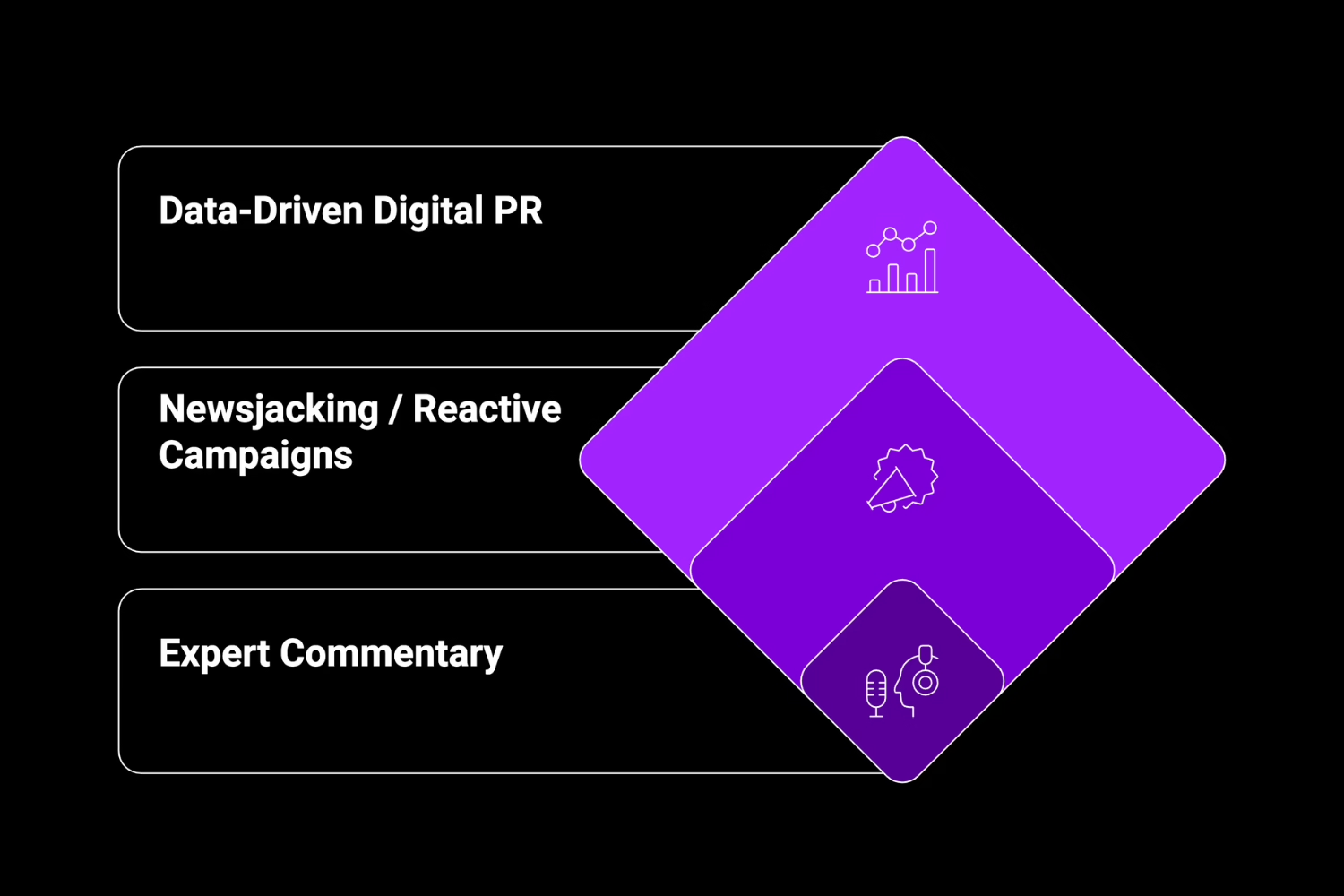
Data-Driven Digital PR

Data-driven campaigns use original research, on-chain metrics, or proprietary data to create content that journalists want to cover. This could include crypto market reports, usage statistics, or analyses of DeFi adoption related to your protocol. The focus shifts from “here is our product” to “here is an insight the industry needs.”

Press releases backed by real data are more likely to be picked up because they give editors something verifiable. Data-driven campaigns can also generate secondary coverage and appear in AI search results, increasing long-term visibility.

Newsjacking / Reactive Campaigns

Newsjacking means inserting your project’s voice into breaking stories: regulatory Newsjacking means adding your project’s voice to breaking news, such as regulatory updates, exchange issues, market events, or major protocol upgrades. Speed is more important than production quality. Many good opportunities appear through journalist requests that arrive with very little notice.

Most Web3 teams cannot respond this quickly on their own. Legal reviews, founder availability, and time zones make it difficult to act fast. This is why specialized crypto PR teams are essential.

Expert Commentary

Expert commentary helps position your founders and executives as trusted voices. This can include bylined articles, crypto podcasts, Web3 conference talks, and op-eds. It is a lasting form of PR because a founder’s quote can become a repeat source for media outlets. Unlike paid ads, this credibility does not disappear when the budget ends.

Partnership and Milestone Announcements

Every blockchain project reaches milestones that are worth sharing. It can be an announcement of a new integration, an exchange listing, funding, or a new product launch. Moments like these are the best opportunities to attract media attention and build credibility.

A good PR strategy will make sure every announcement is covered through press releases and media outreach so everyone hears the news. The goal is to turn each milestone into a compelling story and generate maximum visibility.

Community-Led PR

In Web3, your community is often your strongest PR asset. Community-led PR focuses on engaging your audience via platforms such as Discord, X, Telegram, AMAs, and partnerships.

An active community creates conversations around your project. Since many crypto journalists follow community discussions when researching stories, strong engagement can increase your visibility and help build your credibility.

Crisis PR

The industry moves fast, and challenges can appear without warning. Events like security incidents, exchange delistings, protocol exploits, or sharp token price movements can quickly become headline news. When that happens, you need to have a crisis communication plan ready. It will allow your team to respond quickly.

A solid crisis PR strategy typically includes:

  • Preparing holding statements in advance.
  • Assigning clear spokesperson responsibilities.
  • Coordinating communication between legal, technical, and leadership teams.

Respond quickly with clear, accurate information to reduce speculation, maintain trust with your community, and stay in control of the narrative.
How to Launch a Successful PR Campaign for Your Crypto Project

Running a crypto PR campaign without a plan is risky. It is possible, but the results are usually disappointing.

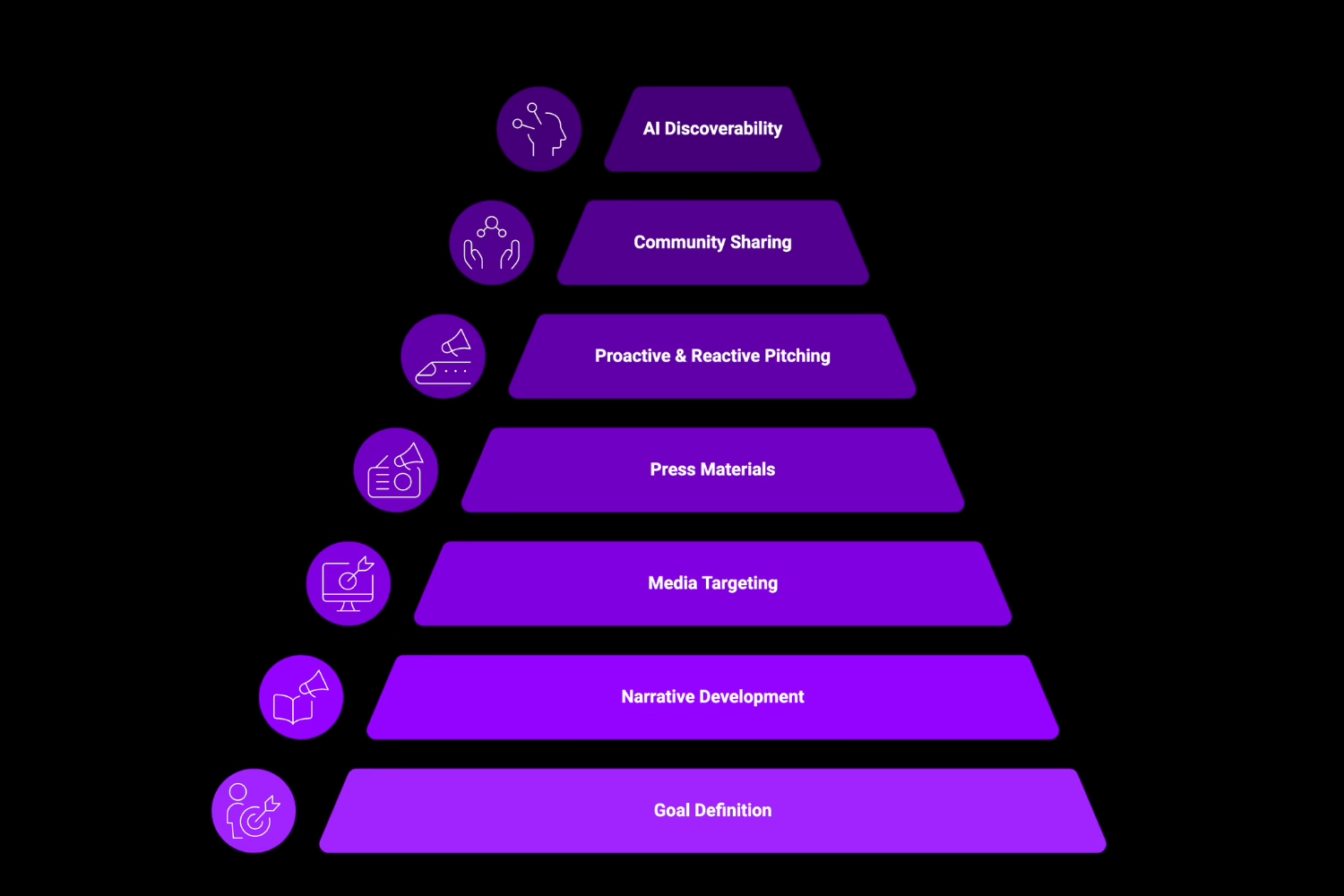
  1. Define your goals before anything else: Start by deciding what you want to achieve. Are you trying to build investor trust before a funding round? Grow your community before a token launch? Position your project for an exchange listing? Your goals will guide every part of the strategy.
  2. Develop your narrative: Figure out what makes your project different and what story you want to tell. Are you showing early-stage innovation, celebrating a milestone, announcing a regulatory achievement, or highlighting a new partnership? Journalists cover stories, not feature lists.
  3. Build a focused media target list: Identify the media outlets that matter most. Research shows that a small number of top-tier publishers capture most of the crypto audience. A few placements in major outlets like The Block and Decrypt are often more valuable than dozens of mentions on low-traffic sites.
  4. Prepare your press materials: Create a press kit, a clear one-page overview, and a well-structured press release. Include proof points and make sure your language is compliant with financial regulations.
  5. Pitch proactively and reactively: Send planned announcements to media outlets proactively. At the same time, respond quickly to breaking news. Using both approaches ensures your project stays visible in the media cycle.
  6. Share through your community: Share coverage across your Telegram, Discord, and X channels. Turn media placements into trust signals for token holders and prospective investors.
  7. Optimize for AI discoverability: Make your press releases and articles easy for AI tools to read and cite. With many AI responses drawing from earned media, clear and structured content can increase your project’s long-term visibility.
How Much Does Crypto PR Cost?

The cost of crypto PR varies widely. The cost depends on your goals, the scope of the campaign, and the level of support you need. A simple press release distribution will cost significantly less than a long-term PR strategy focused on building brand credibility.

Here is a general breakdown of a crypto PR campaign costs across different companies:

  • Paid press release distribution: If you’re simply distributing a press release through crypto news networks, prices typically range from $500 to $5,000 per release. The cost depends on the publications included and the level of distribution.
  • Project-based campaigns: For major announcements such as a token launch, funding round, partnership, or product release, project-based PR campaigns usually cost between $5,000 and $25,000. These campaigns often include messaging, press materials, journalist outreach, and coordinated promotion across multiple channels.
  • Monthly agency retainers: If your goal is to build consistent media coverage and strengthen your reputation over time, many agencies offer ongoing PR support. Smaller crypto PR agencies typically charge $3,000 to $10,000 per month, while larger agencies with established relationships across leading crypto publications may charge $20,000 or more per month.
  • Building an in-house PR team: Hiring an experienced communications professional is another option. Although it is usually more suitable for established projects. An in-house crypto PR team typically costs $90,000 to $160,000 per year, not including media databases, PR software, and distribution costs.
 

For many early-stage Web3 projects, a targeted campaign centred on a genuine newsworthy announcement often yields the highest ROI. As a project expands and consistently releases updates, partnerships, and product milestones, maintaining a continuous PR strategy can help build lasting media presence and credibility.

How to Measure the Success of Your Crypto PR Campaign

After a PR campaign, founders often ask, “Is this working?” Here is what to track.

Standard Metrics

Look at how often your project is mentioned in the media and whether the coverage is positive. Check social media engagement linked to that coverage. Track website traffic that comes from PR mentions. Count backlinks from articles about your project.

Crypto-Specific Metrics

Watch trading activity after big announcements. Track growth in your community, such as new Discord members, Telegram subscribers, or subreddit activity. Look at how token holders feel by reading comments on CT, crypto subreddits, and crypto Discord groups. Check if your project shows up in AI responses when people search your category. Measure new users who come to your project because of PR coverage.

Timing

Press releases can get coverage within one to three days. Organic media takes longer because building relationships with editors can take four to eight weeks. PR also improves crypto SEO over time, often showing results over three to six months. Set expectations early because the best results are not immediate.

Tools

Use tools like Ahrefs to track backlinks, GA4 to see traffic from PR, and Google Alerts or Mention to monitor media mentions.

How to Choose a Crypto PR Company

How to Choose a Crypto PR Company

Choosing the wrong agency can waste time and money. Here is what to look for in a good crypto PR company.

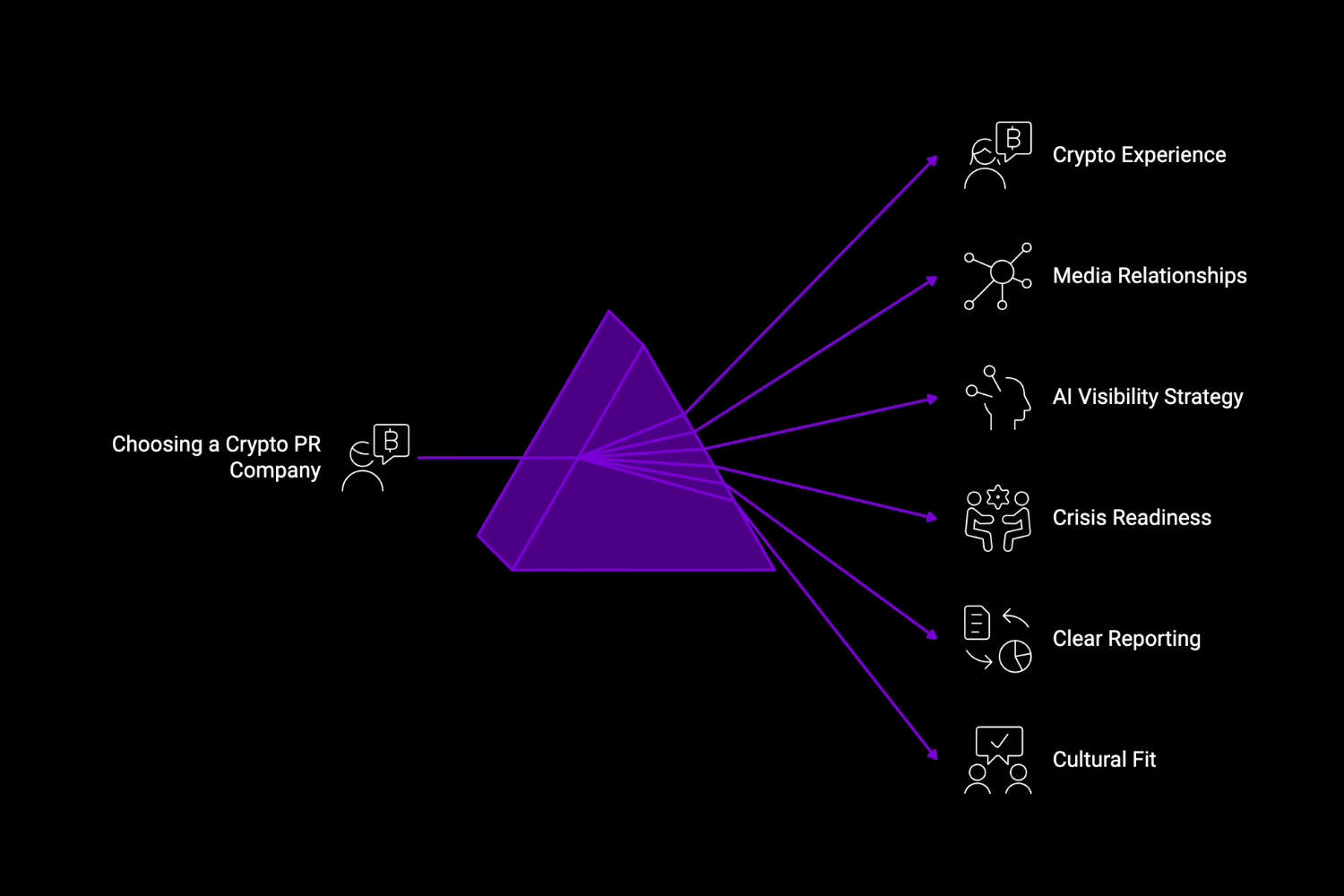
  • Crypto Experience: The agency should understand how crypto works, including token cycles, exchange listings, DAO projects’ governance, and the difference between a TGE and a public sale. Traditional PR agencies may know mainstream media, but often miss how crypto news spreads.
  • Media Relationships: Check if the agency has recent placements in well-known crypto media. Make sure the examples are from the last few months, not years ago, to see that they have active connections.
  • AI Visibility Strategy: Ask if they have a plan to make your project discoverable by AI tools. This is becoming important in 2026, and many agencies do not know how to do it yet.
  • Crisis Readiness: Find out if the agency can respond quickly to problems, such as exploits, token crashes, or negative news. Ask them to explain a recent example.
  • Clear Reporting: Make sure the agency clearly defines what they will deliver and how they measure results. Be cautious of agencies that promise guaranteed media coverage. Editorial decisions are out of anyone’s control.
  • Cultural Fit: The agency should understand your project, your community, and your long-term goals. Different projects, like a DeFi protocol and an NFT collection, need very different approaches.
What Are the Challenges of Blockchain PR?

What Are the Challenges of Blockchain PR?

If crypto PR were easy, everyone would be doing it well. They’re not. Here’s what makes it genuinely hard:

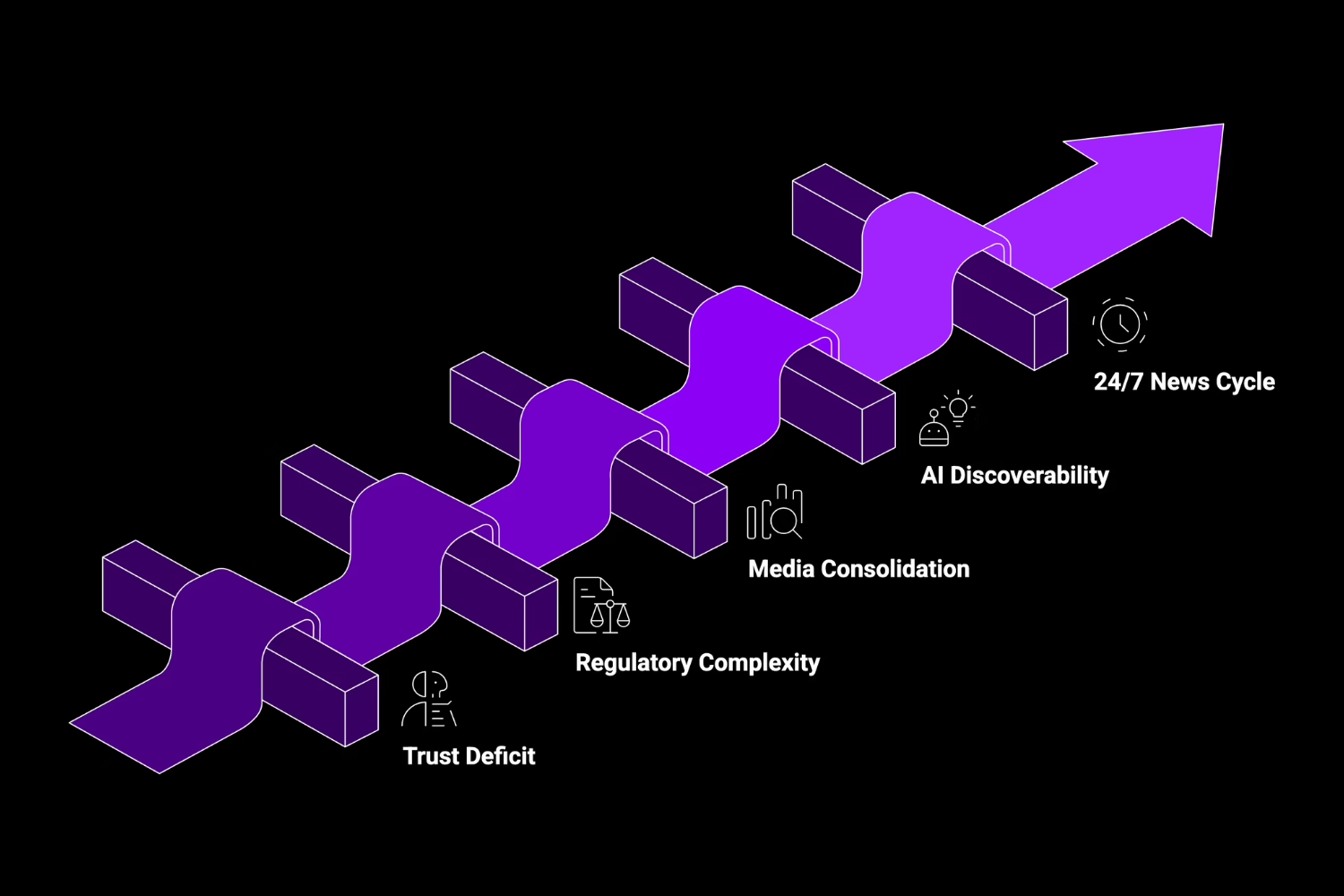
  • The trust deficit: Many people are naturally cautious about crypto projects. They have seen scams, failed launches, and misleading promotions. Readers and editors quickly filter out anything that feels like marketing, so building credibility is much harder than in other industries.
  • Growing regulatory complexity: Rules are increasing around the world. MiCA is active in the EU, the GENIUS Act was passed in the US, and global rules like those from the Basel Committee are coming in 2026. Every press release, article, and statement needs to follow these rules.
  • Media consolidation: Most crypto media traffic comes from a small number of outlets. Getting coverage requires real editorial value. Money alone will not get your project featured.
  • AI discoverability: Many projects are not optimized for AI search. AI tools now drive a growing share of traffic to crypto media. Projects that do not optimize risk are invisible to users and investors who rely on AI.
  • The 24/7 news cycle: Crypto news moves around the clock. Traditional review processes take too long. By the time a statement is approved, the story may already be shaped by others.

How Are Paid Press Releases Different From Organic PR?

Many founders confuse paid and organic PR, so it is important to understand the difference.

  • Paid Press Releases: Paid press releases are sent through services that distribute your news widely. They give you control over the message and guarantee that it will be sent out. They are useful for urgent announcements, like a token launch, an exchange listing, or a funding round. Costs vary from a few hundred to several thousand dollars, depending on the service. Top crypto media usually don’t publish paid releases directly. They may pick up the news from the wire or cover it on their own.
  • Organic PR: Organic PR, also called earned media, happens when journalists, editors, or content creators choose to write about your project. This usually comes from offering original data, expert insight, or useful information. It is harder to get, but the benefits are much bigger. Organic coverage drives more engagement, lasts longer in search results, is cited by AI tools, and can generate additional coverage that money cannot buy.
  • Best Approach: The strongest PR strategies use both types. Paid releases handle controlled, time-sensitive news. Organic coverage builds credibility that keeps your project visible and trusted over time. Combining them helps maintain attention between major announcements.

Wrapping It Up

Crypto PR in 2026 is not optional. It is a key part of building trust, staying visible, and growing over the long term. Earned media now drives AI discoverability, and with media concentrated in a small number of outlets, being seen in the right places matters more than being everywhere. Audiences are more careful and informed than ever.

Projects that invest in clear, data-driven PR and involve their communities build lasting credibility. This is not about short-term hype that disappears after a week.

If you want a partner experienced in crypto marketing and PR, contact theKOLLAB today to start a results-driven strategy for your project.

FAQ

What is crypto PR in simple terms?

Crypto PR is the process of building and protecting the reputation of a blockchain or Web3 brand. It helps your project gain visibility through media coverage, press releases, and clear communication.

What does a crypto PR agency do?

A crypto PR agency helps tell your project's story to the right audience. This typically includes developing key messaging, writing and distributing press releases, pitching stories to journalists, securing interviews and appearances on crypto podcasts. In addition, they monitor media coverage and support communication during the crises.

What happens after the ICO ends?

In many cases, if you do not have a strategy for this stage, you will likely see a drop-off in community engagement. Your post-ICO marketing strategy should focus on maintaining momentum through community engagement tactics, updates, PR campaigns, and exchange listings. Projects that stop marketing after the token sale often lose trust.

What is the difference between crypto PR and crypto marketing?

Crypto marketing focuses on the channels you own, such as paid advertising, social media, influencer campaigns, and email marketing. Crypto PR focuses on earning credibility through independent media coverage and trusted third-party endorsements. While marketing helps drive awareness and conversions, PR builds the reputation and trust that support long-term growth.

How much does crypto PR cost?

The cost of crypto PR depends on the type of support you need. Press release distribution generally ranges from $500 to $5,000 per release, while project-based campaigns typically cost between $5,000 and $25,000. Ongoing agency retainers usually start at $3,000 to $10,000 per month, with larger agencies charging significantly more for comprehensive PR programs and established media relationships.

Is crypto PR worth it for small projects?

It can be, especially if you have a genuinely newsworthy announcement. Rather than investing in a long-term retainer, many early-stage projects benefit from a focused PR campaign around a product launch, funding round, partnership, or major milestone. Even a small amount of coverage from respected crypto publications can help build credibility, attract attention, and support future growth.

What is blockchain PR?

Blockchain PR applies the same principles as crypto PR but covers the broader blockchain industry. This includes enterprise blockchain companies, infrastructure providers, and organizations using distributed ledger technology, whether or not they have a cryptocurrency or token. The goal remains the same: building trust, earning media coverage, and establishing a strong reputation within the industry.

How Can I Choose a Crypto PR Agency?

Look for agencies with verifiable Tier-1 crypto media relationships, recent case studies from projects at your stage, transparent reporting on deliverables, and experience managing regulatory-compliant messaging. Ask specifically about their AI visibility strategy, because LLM discoverability is a serious differentiator going into 2026.

How Can I Get the Most Out of My Crypto Public Relations Campaign?

Start your PR outreach at least 4 to 6 weeks before major announcements, and keep a consistent cadence rather than sporadic bursts. Integrate your social media management and community engagement with your media outreach so that every placement gets amplified through your owned channels and compounds its reach.

What Are the Best Crypto News Sites for PR?

The most valuable crypto news outlets are those widely followed by investors, developers, and Web3 communities. For a broader reach that includes institutional and mainstream audiences, placements in sites like Bloomberg Crypto, Forbes, Business Insider, and Yahoo Finance can have a strong impact.

How Long Does It Take to See Results From Crypto PR?

Paid press release distribution can generate coverage within 24 to 72 hours. Organic earned media takes longer to build since you should expect 4 to 8 weeks for initial editorial results and 3 to 6 months for SEO and AI discoverability effects to compound. Long-term credibility comes from consistent monthly activity, not a single campaign sprint.
Picture of Casra Azarmi

Casra Azarmi

Kian Azarmi is the CEO and co-founder of theKOLLAB, a leading crypto marketing agency. Before launching theKOLLAB, Kian managed global affiliate partnerships at Binance, where he developed relationships with many of the industry's highest-performing creators. Kian combines a decade of partnership marketing experience with a data-driven approach to help blockchain projects build awareness, drive user acquisition, and scale through strategic influencer campaigns.

Table of Contents