
Theory is one thing. Seeing the pattern in practice makes it far more recognizable. Let’s walk through real cases across three common categories.
Shilling on Social Media Platforms
SafeMoon (2021) is one of the most well-known examples of social media shilling. Thousands of Twitter accounts and posts across crypto subreddits promoted the token using hashtags like #SafeMoonToTheMoon without disclosing that they owned it. This artificial hype pushed the price up, then it crashed, leaving regular buyers with losses.
This still happens today. Telegram and crypto Discord groups are used to send the same messages across many channels at once. In 2026, some campaigns even use AI bots to make fake conversations look real. If you run a project, it’s important to know this.
Shilling in YouTube Comments and Article Sections
At BitConnect’s peak in 2017, YouTube comments under crypto videos were full of almost identical messages claiming huge profits like “I made 300% in 3 months, join now.” This was part of a referral scheme, and BitConnect later turned out to be a Ponzi scam that ruined many investors.
This still happens today. Copy-paste praise in comments is common in 2026, often done by bots. If you’re watching a crypto YouTube channel and the comment section is full of identical praise for a token you’ve never heard of, you’re likely looking at a shill operation. Bots make it faster and harder to spot.
Shilling by Influencers Without Disclosure
This category has produced the highest-profile enforcement actions in crypto history.
- $LIBRA meme coin (February 2025): Argentine President Javier Milei publicly promoted the $LIBRA token. The price surged, then crashed within hours after project insiders dumped their holdings. According to Cryptonews, over 100 criminal complaints were filed in the aftermath.
- Kim Kardashian and EthereumMax (EMAX): Kardashian promoted EMAX tokens on Instagram to her hundreds of millions of followers without disclosing she’d been paid $250,000 to do so. The SEC charged her, and as Rolling Stone reported, she settled for $1.26 million and agreed not to promote any crypto asset for three years.
- Floyd Mayweather and DJ Khaled (Centra Tech, 2018): Both celebrities promoted Centra Tech’s ICO without disclosing compensation. Mayweather paid over $614,775 in fines; DJ Khaled paid more than $150,000.
- Jake Paul (2023): Fined $400,000 for failing to disclose his paid partnership with Justin Sun, alongside Lindsay Lohan and Lil Yachty, as reported by Money Digest.
The lesson from every one of these cases is the same: undisclosed promotion gets caught eventually, and the fines keep getting bigger. If you’re a project working with KOLs, proper disclosure isn’t optional. It’s the baseline.
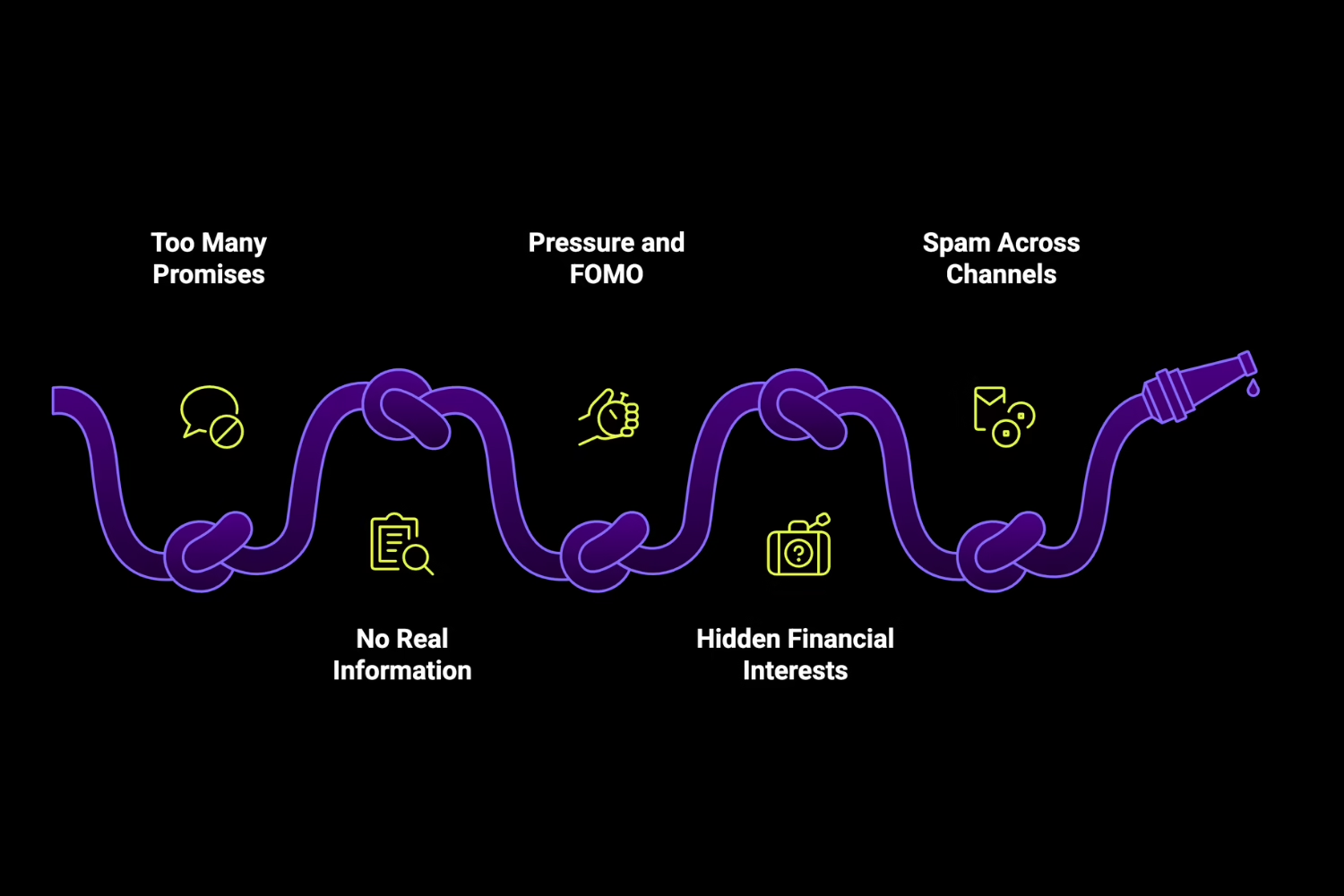
Catching a shill before you invest can save you a lot of money. Here are five red flags to watch for:
- Too Many Promises: If the post says things like “guaranteed 100x” or “this will replace Bitcoin,” it’s likely bait. Real projects focus on their technology, users, and roadmap, not just price hype.
- No Real Information: Legitimate projects share whitepapers, roadmaps, or working products. If you can’t find a clear team, a product, or documentation quickly, be suspicious.
- Pressure and FOMO: Messages like “last chance to join” or “spots closing tonight” try to make you act fast. Real projects don’t need panic language to attract users.
- Hidden Financial Interests: Shillers often hide their ownership or payments. If no disclosure exists, assume the promoter benefits financially from your purchase.
- Spam Across Channels: Copy-paste messages on Reddit, YouTube, Telegram, and Discord at the same time usually mean a coordinated shill campaign. Real enthusiasm is varied and comes from real, active accounts.
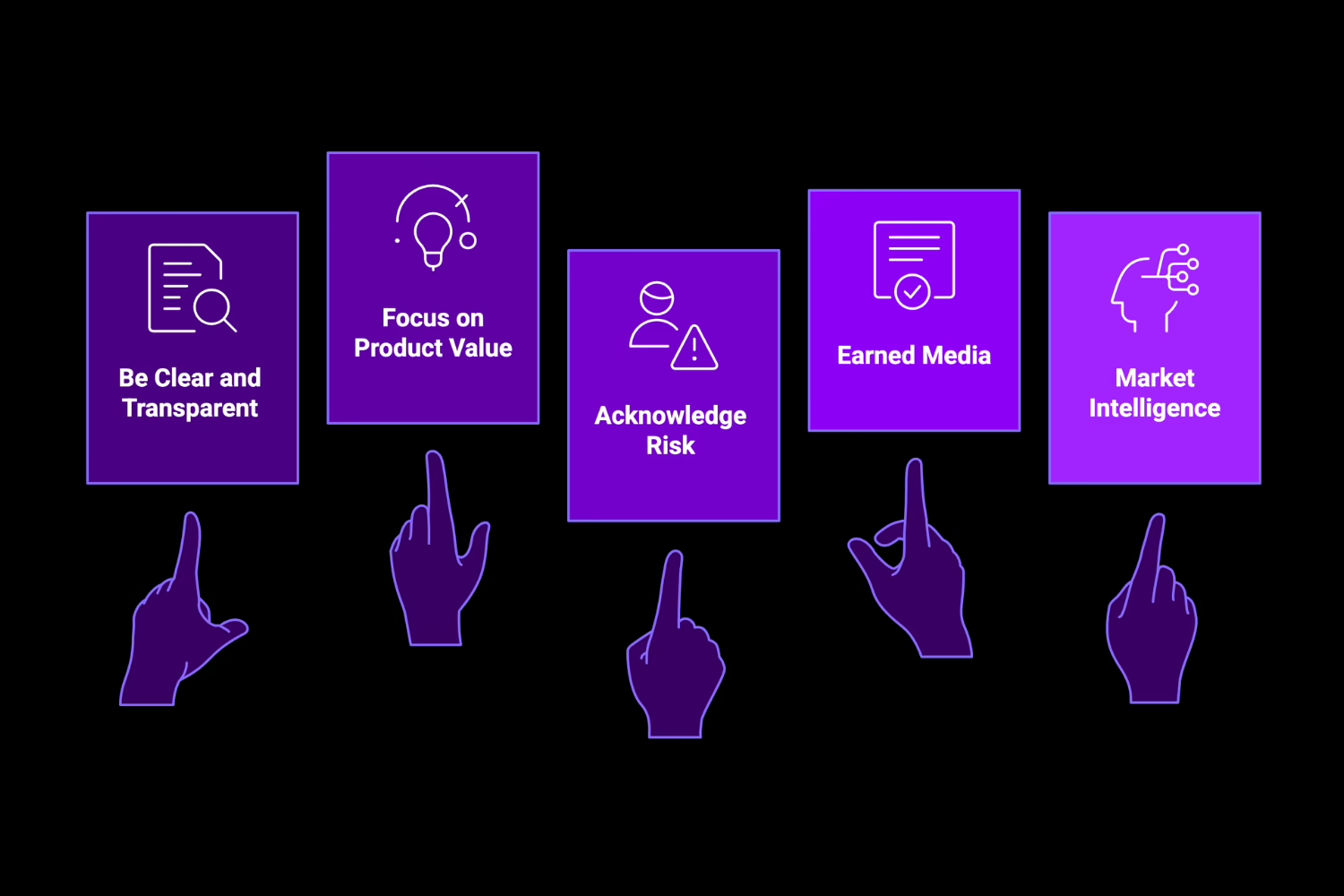
The main difference between real crypto marketing and shilling comes down to intent and honesty.
Be Clear and Transparent
Legitimate marketing tells the community who is behind the project and what their financial interest is. Paid promotions are always disclosed. When we run KOL campaigns for clients, every post clearly shows partnerships. There are no hidden motives.
Focus on the Product, Not Just Price
Good marketing explains what the project does, who it helps, and why it matters. It does not lead with “100x” promises or “to the moon” claims. The product and its value come first.
Acknowledge Risk
Crypto is volatile. Honest marketing mentions the risks. If a promotion acts like there is no chance of losing money, that is a warning sign.
Earned Media Matters More Than Paid Hype
Coverage from trusted crypto blogs and publications builds credibility that spam or fake hype cannot. Real third-party coverage helps projects like Trust Wallet and Aptos Labs earn long-term trust.
The Market Is Smarter Now
With over 741 million crypto users in 2025 and a $4 trillion market, people check the facts. They look at tokenomics and on-chain data before trusting claims. Most token failures happen when hype replaces substance.
If your project is real, honest, and has value, a performance-driven Web3 marketing strategy works. Our team at theKOLLAB has been doing this since the early KOL-driven campaigns.