
Many founders don’t realize this at first, but in 2026, a crypto press release is not just an announcement. It’s something people use to check if your project is real and trustworthy.
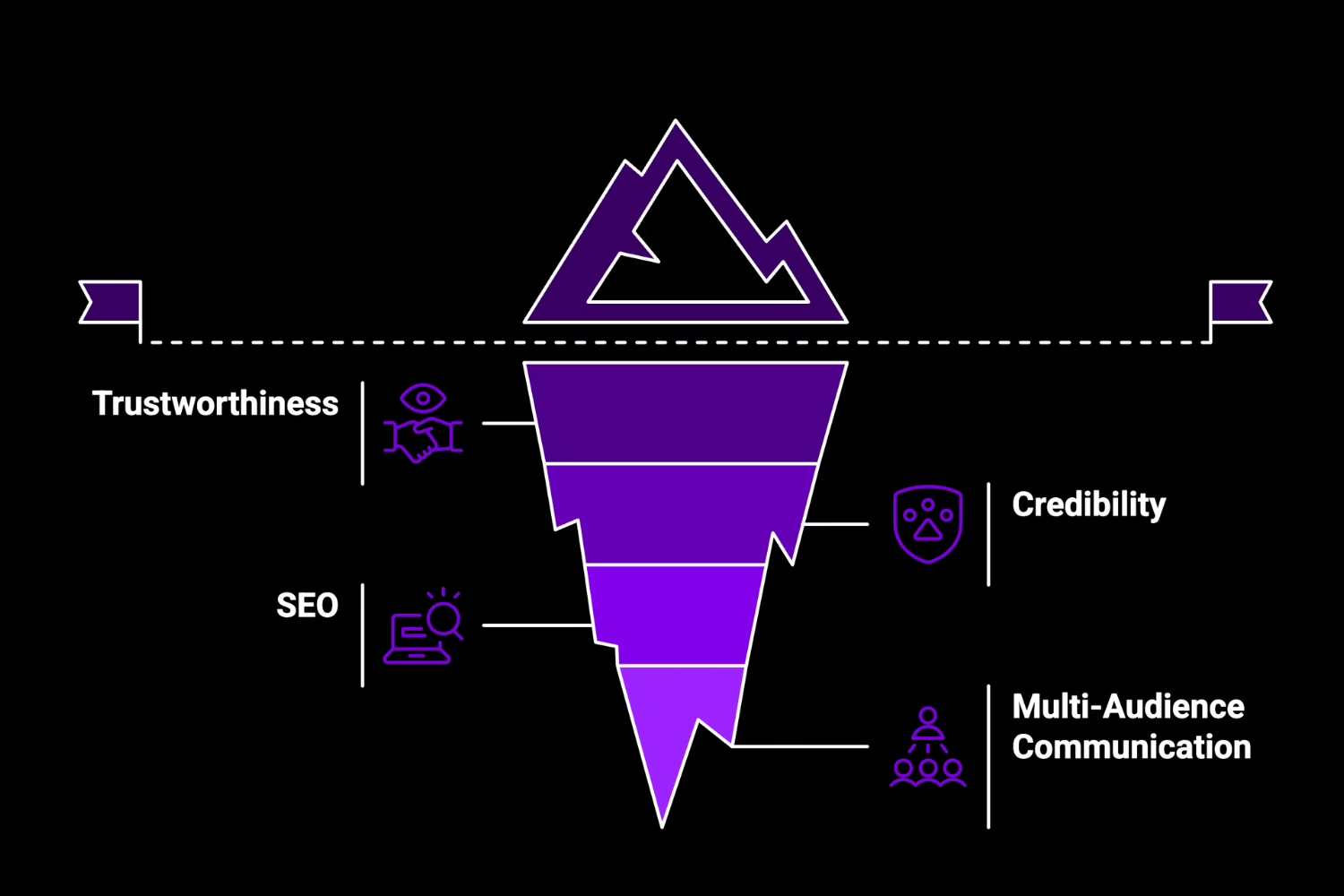
Journalists, exchanges, investors, and even community moderators often look at your first press release before deciding if they should take you seriously. We’ve seen this happen many times during listings and funding talks. Crypto is all about trust. People want clear and honest information before they support a project.
Getting featured on well-known crypto media platforms helps a lot. Unlike a quick post on X, these articles stay online, are easy to find on Google, and help build your credibility over time.
Press releases also help your SEO. When your news is published on trusted websites, you get strong backlinks. This can improve your rankings and bring traffic to your project long after the release is published.
There’s another important point. In Web3, you’re not speaking to just one audience. Unlike traditional industries, crypto PR has to land with 5 different audiences at once: journalists, retail investors, on-chain community members, crypto Telegram group admins, and crypto influencers.
If your message only makes sense to journalists but not to your community, it won’t perform well.
Structure is very important in a crypto press release. It often decides if your content gets published or ignored.
We’ve reviewed many press releases across different campaigns, including the ones we’ve created and distributed for our own clients. The pattern is clear. If the writing is messy or full of hype, editors reject it before anyone even sees it. Below are the key steps that separate good press releases from the ones that get ignored.
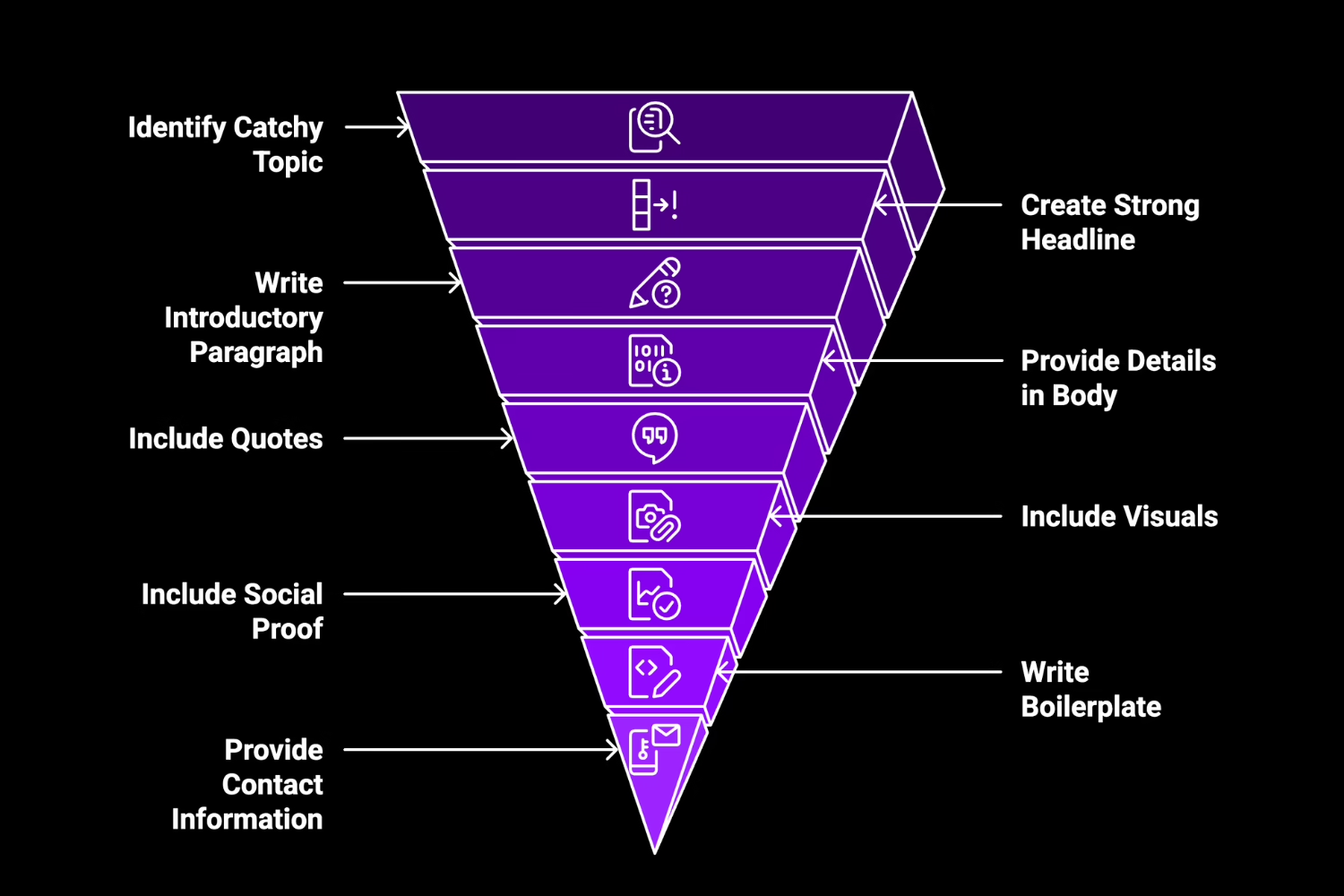
1. Identify a Catchy Topic
Not every update needs a press release. Before writing, ask yourself one simple question: Would someone outside our team actually care about this? Strong press release topics usually include:
- Token launches
- Exchange listings
- Funding rounds
- Partnerships
- User growth milestones
- Original research or data
Weak topics include things like vague announcements, small internal updates, or general “we’re building something exciting” messages. These don’t give enough reason for the media or readers to pay attention.
A good way to test your topic is this: try to explain it in one sentence. If it doesn’t sound clear or important, it’s probably not a strong press release topic. In that case, it’s better to share it as a blog post or a community update instead.
2. Create a Strong Headline
Your headline is the most important part of your press release. It decides if people will read the rest or ignore it.
A simple formula you can follow is: [Company] + [Action] + [Key Detail]
Try to keep it short, around 8 to 12 words. Use clear, active words. Add numbers if you can. And avoid hype words like “revolutionary,” “game-changer,” or “unprecedented.” These usually make your press release look low-quality.
Here’s what a strong headline looks like:
- Good Example: “[Project Name] Raises $8M to Launch Cross-Chain DeFi Protocol on Ethereum.”
- Bad Example: “Revolutionary New Protocol Will Transform DeFi Forever.”
The first headline is clear and specific. It tells you what happened, how much money was raised, and what the project is about. The second one sounds big, but doesn’t actually say anything useful.
3. Write a Concise and Attractive Introductory Paragraph
Your opening paragraph is the most important part of your press release. It should quickly explain the full story in a simple and clear way.
A good intro usually answers the key questions: who, what, when, where, and why. Try to keep it to 3-4 sentences and avoid making it too long.
Start with a dateline (city and date), like: “DUBAI, March 24, 2026.” This makes your press release look more professional and complete.
Most editors won’t read the whole piece. They scan the first paragraph and decide if it’s worth their time. If your intro is clear and informative, they’re much more likely to keep reading.
4. Provide the Details in the Body Text
The body of your press release is where you explain the story in more detail. You can include market context, product features, use cases, token utility, and roadmap updates. Each paragraph should give new information and help the reader understand the project better.
Use numbers and specifics instead of vague phrases. For example, say “user base grew 150% in six months” instead of “strong growth.” Name partners and explain the deal instead of saying “major partnership.”
Keep paragraphs short and start with the most important information. The body should usually be between 400 and 600 words.
5. Include Quotes to Back Your Story
Quotes from your CEO, CTO, or a key partner can make your press release feel more personal and trustworthy. A good quote should add something new that is not already explained in the body of the press release. Simply repeating the headline does not help and is a missed opportunity.
The best quotes share a leader’s perspective, explain the vision for the project, or show why the news matters to the industry. A clear way to format a quote is:
“[Insightful statement about the announcement and its impact],” said [Name], [Title] of [Company].
If a quote could be used in any other project’s press release and still make sense, it needs to be rewritten. The quote should be specific and unique to your project.
6. Include Visuals
Visuals are an important part of a press release and are no longer optional. Most media outlets now expect at least one high-quality image (min 1200×628 pixels) that relates to the announcement. A simple company logo is usually not enough.
In 2026, Web3 projects often include infographics, short videos, or diagrams showing the protocol or product structure. These visuals help journalists understand the story more quickly. A clear and well-designed image can make your press release stand out and increase the chances that an editor will use it.
7. Include Social Proof or Statistics from Authoritative Sources
Adding data from trusted sources makes your press release more credible. Third-party information, such as audit confirmations, user growth numbers, trading volumes, or research citations, shows that your project is real and trustworthy.
For example, DeFi projects can include total value locked milestones, and NFT projects can mention floor prices or secondary market volume.
Crypto is considered a high-risk category by search engines, so unverified claims can harm your credibility. Every statistic in your press release should be accurate, sourced, and easy for journalists to check.
8. Write the Boilerplate
The boilerplate is your consistent 2 to 3 sentence “About” section at the end of every press release. It shouldn’t change between releases. Follow this structure:
- Who you are: “[Company] is a [type of platform/protocol].”
- Scale: “Serving X users across Y chains” or “Processing $X in monthly volume.”
- Credibility: “Backed by [investors/partners]” or “Operating across Y countries.”
9. Provide Contact Information
It may seem obvious, but many press releases fail because they do not include contact information. If a journalist wants to follow up for a quote, clarification, or a deeper interview and cannot find a contact, they will move on to another story.
Always include the full name of the contact person, their job title, an email address, the project website, and a Twitter or X handle. This ensures that anyone interested in your story can reach you easily.
Writing a well-crafted press release is only half the work. Distribution is what brings real results. Even the best press release will not matter if it sits in a folder and never reaches the right people.
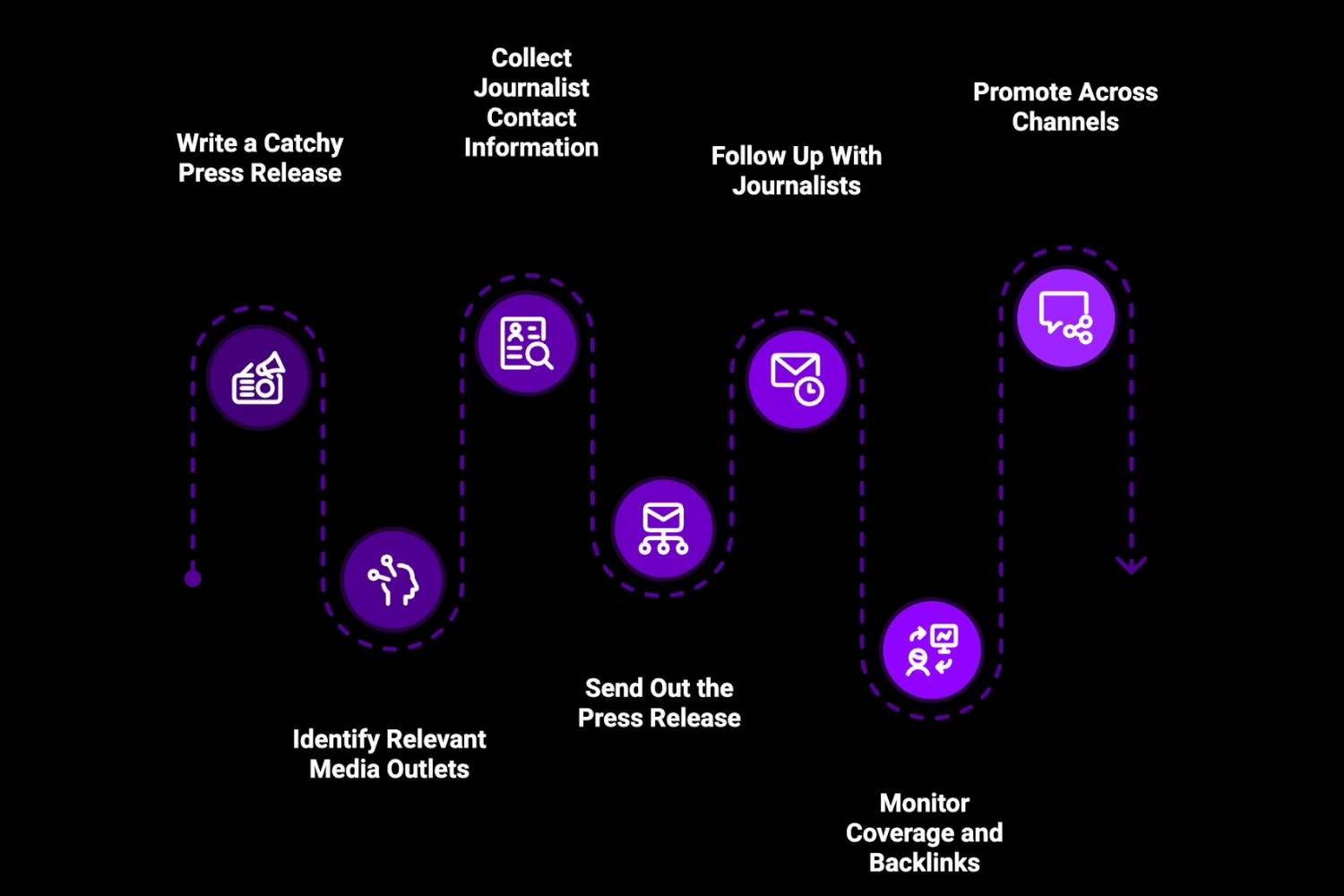
1. Write a Catchy Crypto Press Release
Before you start distributing, check that your press release is complete. It should be factually accurate, properly formatted, compliant with regulations, and include all nine key components from above. Sending a rough draft to a top-tier journalist will usually ruin your chance for coverage.
2. Identify Relevant Media Outlets
Decide which outlets should receive your press release. First, list crypto-focused media outlets. Then, include mainstream financial outlets that cover crypto news. Match the outlet to your announcement.
For example, a large funding round belongs in top-tier outlets, while a smaller testnet launch fits better with mid-tier or niche publications. Sending a small update to a major outlet can hurt your relationship with them later.
3. Collect the Contact Information of Targeted Journalists
Build a list of reporters who cover your type of news. Look at bylines from recent articles and follow active journalists on X. Tools like Muck Rack or Cision can help you find emails and beats. Personalize your pitch. Short, tailored emails that reference a reporter’s past work work much better than mass emails.
4. Send Out the Press Release
You have two main options for sending your press release. You can use a distribution platform to reach a wide audience or send direct pitches to reporters at top-tier outlets for earned coverage. Try to send your press release on a weekday, between Monday and Thursday, during active market hours. Avoid Friday afternoons because your email may get buried over the weekend.
5. Follow Up With Journalists
A polite follow-up after 48 to 72 hours can significantly increase pickup rates. Keep it short, remind the journalist about your original email, and offer additional data or an interview. Be respectful. Journalists receive many pitches every day, and a brief, courteous follow-up helps your press release stand out.
6. Monitor Coverage and Backlinks
After your press release is distributed, track where it appears. Check reporting dashboards from your distribution platform, search Google News for your project name or headline, and set up alerts to catch ongoing coverage. Use tools like Ahrefs to monitor backlinks and the domain authority of sites that mention your project.
7. Promote the Press Release Across Channels
Once your press release is published, share it on your social media accounts, email newsletters, community channels, and crypto forums. This helps your news reach your supporters directly. When your community shares or comments on coverage, it increases credibility and extends the reach to new audiences.
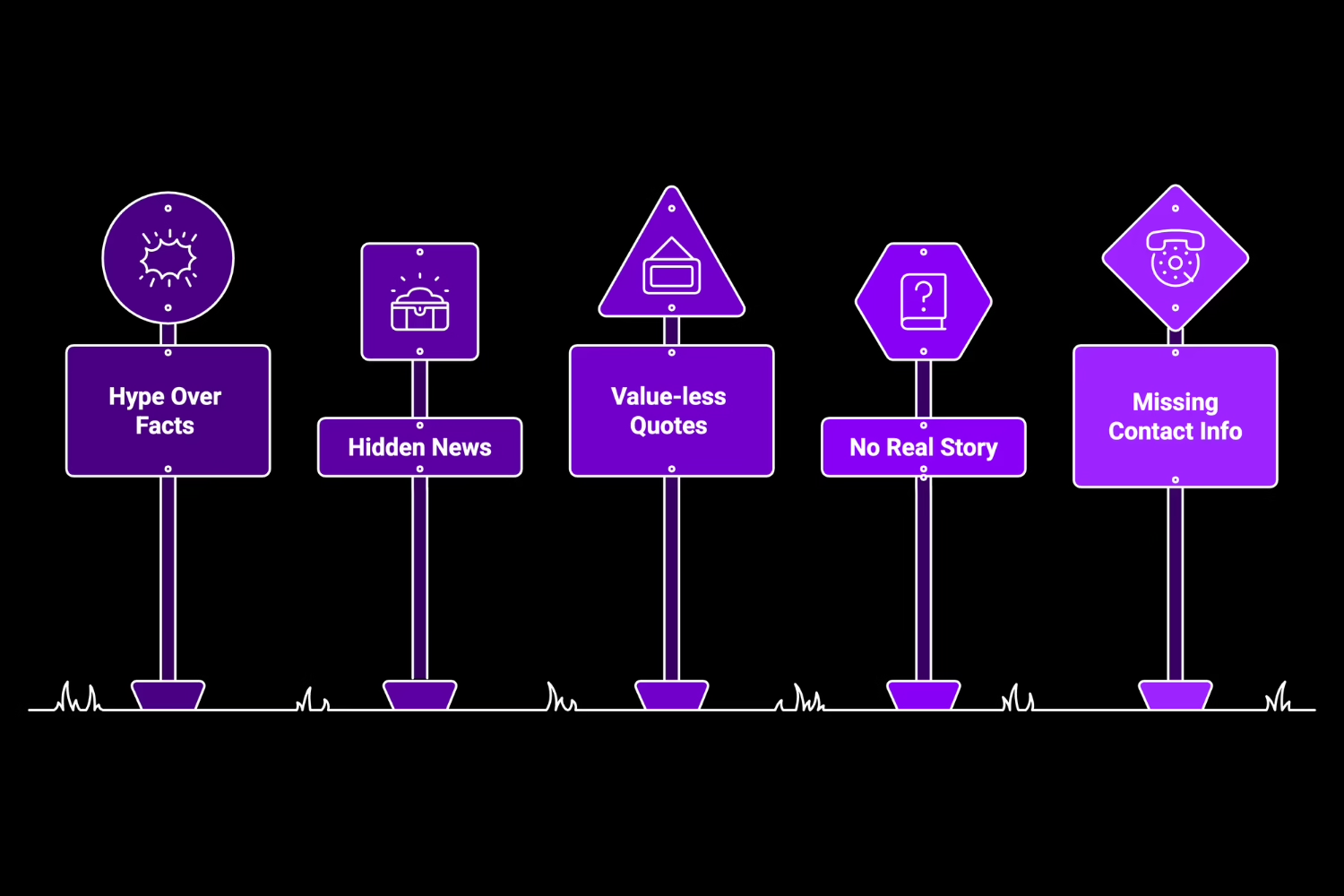
Every day, journalists receive thousands of press releases. Most of them are deleted after a quick scan. From years of experience, we have noticed common reasons why press releases fail to get attention.
They Focus on Hype Instead of Facts
Using words like “revolutionary,” “game-changer,” or “unprecedented” usually makes a press release get dismissed. Journalists see these words as filler. Instead, include specific numbers, clear timelines, and concrete milestones. For example, saying your project “processed $12 million in volume during the first week of the testnet” will attract much more attention than calling it “the next big thing in DeFi.”
They Hide the Important News
Some press releases open with three paragraphs of company history before the actual announcement shows up somewhere in paragraph four. Editors make decisions in the first two sentences. If your lead paragraph doesn’t contain the news, you’ve already lost them.
Their Quotes Don’t Add Value
A quote that says “We’re thrilled to announce this exciting milestone for our amazing team” tells the journalist nothing. It signals that the quote was written by someone filling a template, not a founder with a point of view. Quotes should add vision, industry perspective, or a detail that isn’t already in the body text.
There’s No Real Story
Ask yourself, “So what?” If your press release does not explain why someone outside your company should care, it is not news. A strong story connects to a market trend, solves a real problem, or marks a milestone that matters beyond your internal team.
They’re Missing Contact Information
We’ve seen projects spend $5,000 on distribution and forget to include a media contact email. Journalists who want to follow up for an interview, a quote, or additional context will simply move on to the next pitch. Always include a name, email, website, and social handle.
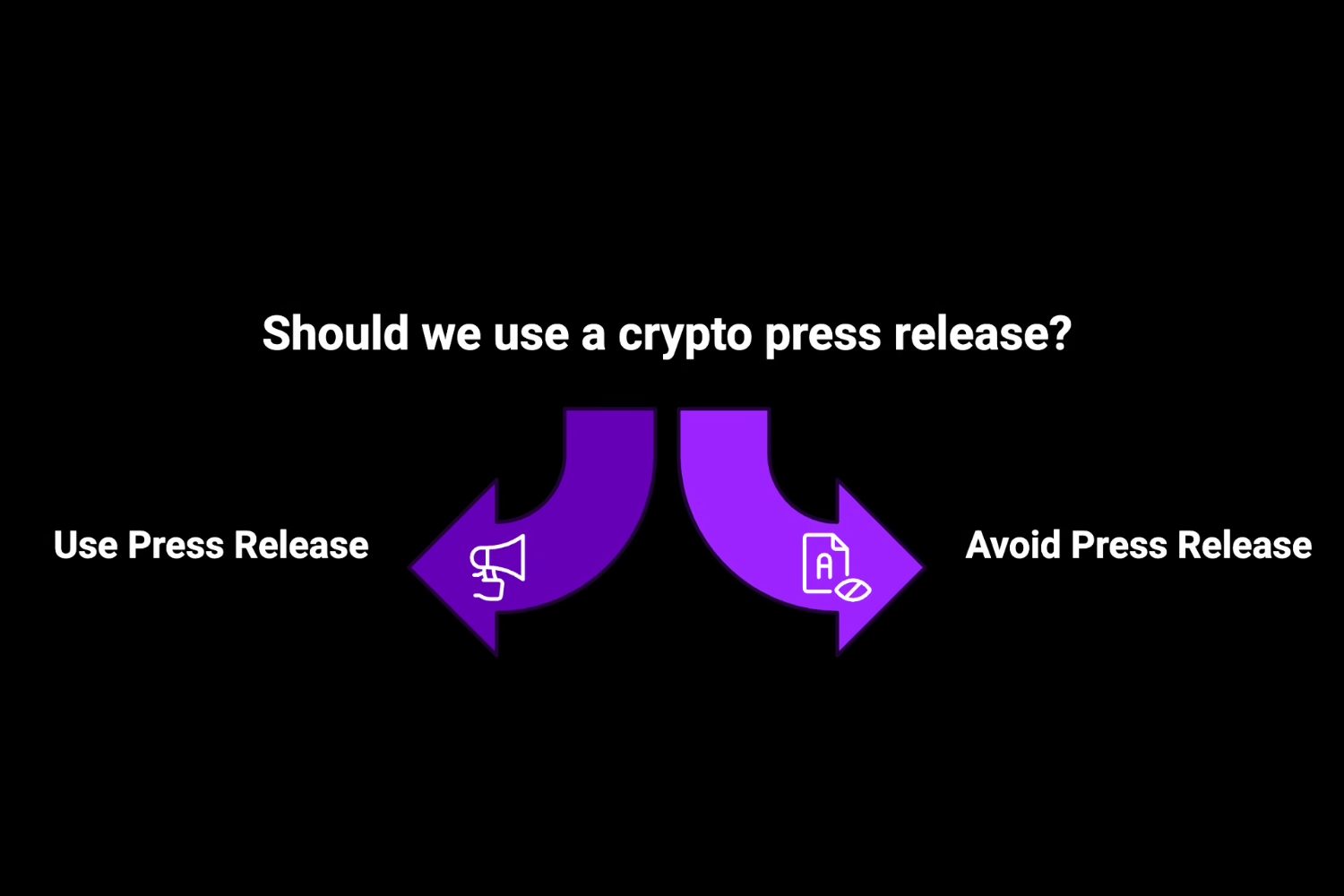
Press releases are powerful when used at the right time. Overusing them trains journalists to ignore your name. Here’s a clean framework.
When to use a crypto press release:
- Token Launch: Announce the release with full details about the use case, tokenomics, listing plans, and how the community can participate.
- Partnership Announcement: Share a collaboration with a credible exchange, protocol, or infrastructure provider that your audience will recognize.
- Milestone Announcement: Highlight important achievements such as user growth, transaction volume, or funding that show meaningful progress.
- Industry Research and Analysis: Original data reports or market insights give journalists something quotable and are often picked up widely.
- Exchange Listing: Announce getting listed on a centralized or decentralized exchange with trading pair details, timing, and access instructions.
When NOT to use a crypto press release:
- When there is no concrete news that someone outside your team would care about or verify.
- During major industry crises or negative news cycles, such as an exchange collapse or a protocol exploit, your announcement will be buried.
- When the update is mainly for your existing community, use crypto Discord groups or Telegram for internal updates.
- When the primary goal is only SEO. Blog posts and thought leadership articles are more effective for search visibility.