
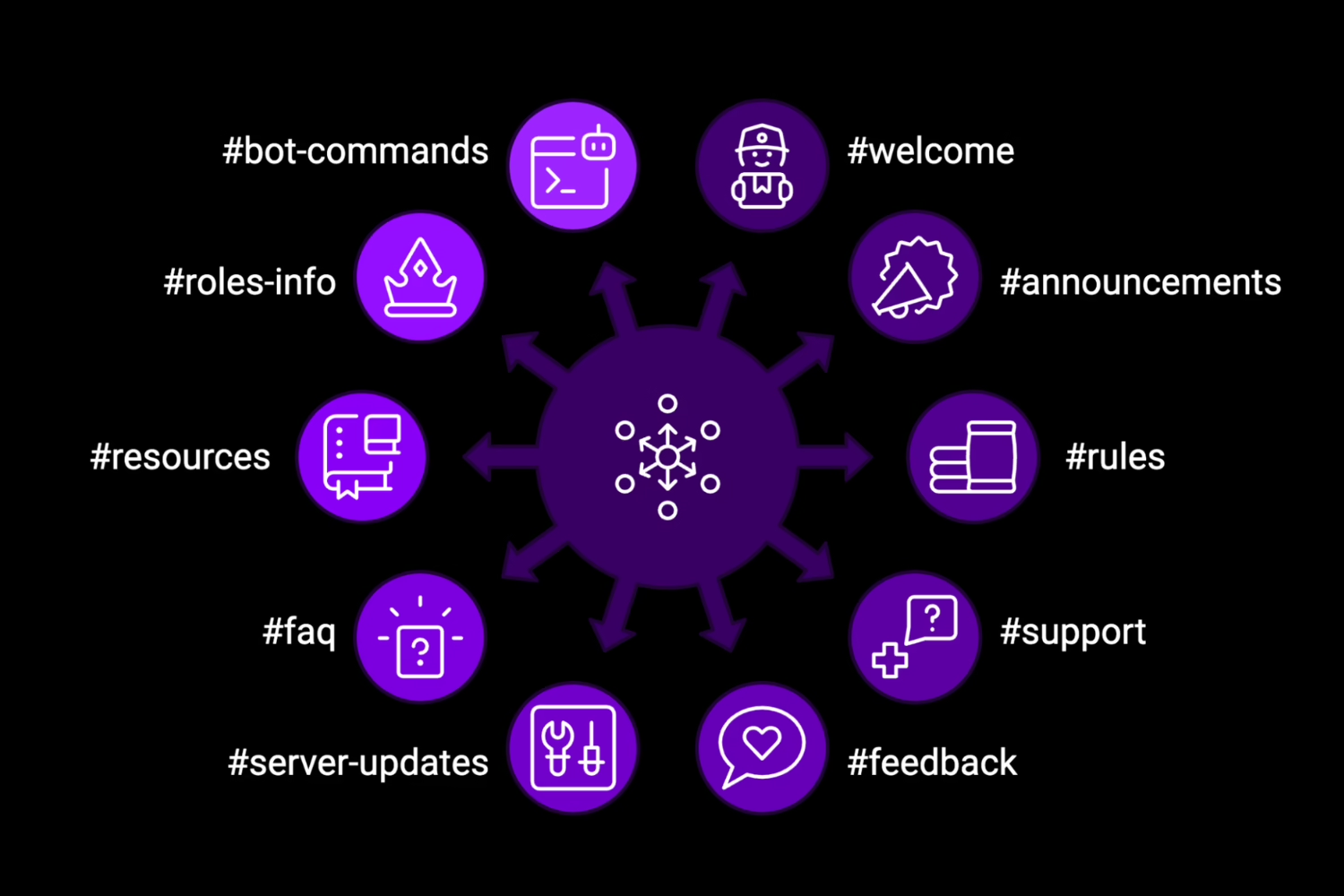
These are the channels you set up before you invite a single member. They’re the backbone, the first impression, and the reason someone stays past the first 30 seconds. If you’re building a crypto project, don’t skip a single one.
- #welcome: First stop for new members. Set the tone, explain what the server offers, and link to your onboarding flow.
- #announcements: Read-only, so only admins and mods post here. This is where your official updates live.
- #rules: Spell out server rules, consequences, and expectations. Keep it short but specific.
- #support: Dedicated help desk where members ask questions or flag issues with the project or server.
- #feedback: Where members share suggestions to improve the server or the product itself.
- #server-updates: Logs changes to the server: new channels, role updates, bot additions.
- #faq: Pin the most common questions and answers. Update it monthly.
- #resources: Links to your whitepaper, docs, tools, token contract, and any other external references.
- #roles-info: Explains every role and how to earn or apply for each one. This matters more than you think, especially now that role-based airdrop marketing has become a real meta.
- #bot-commands: Give people a dedicated place to interact with bots so they don’t clutter up your main channels.
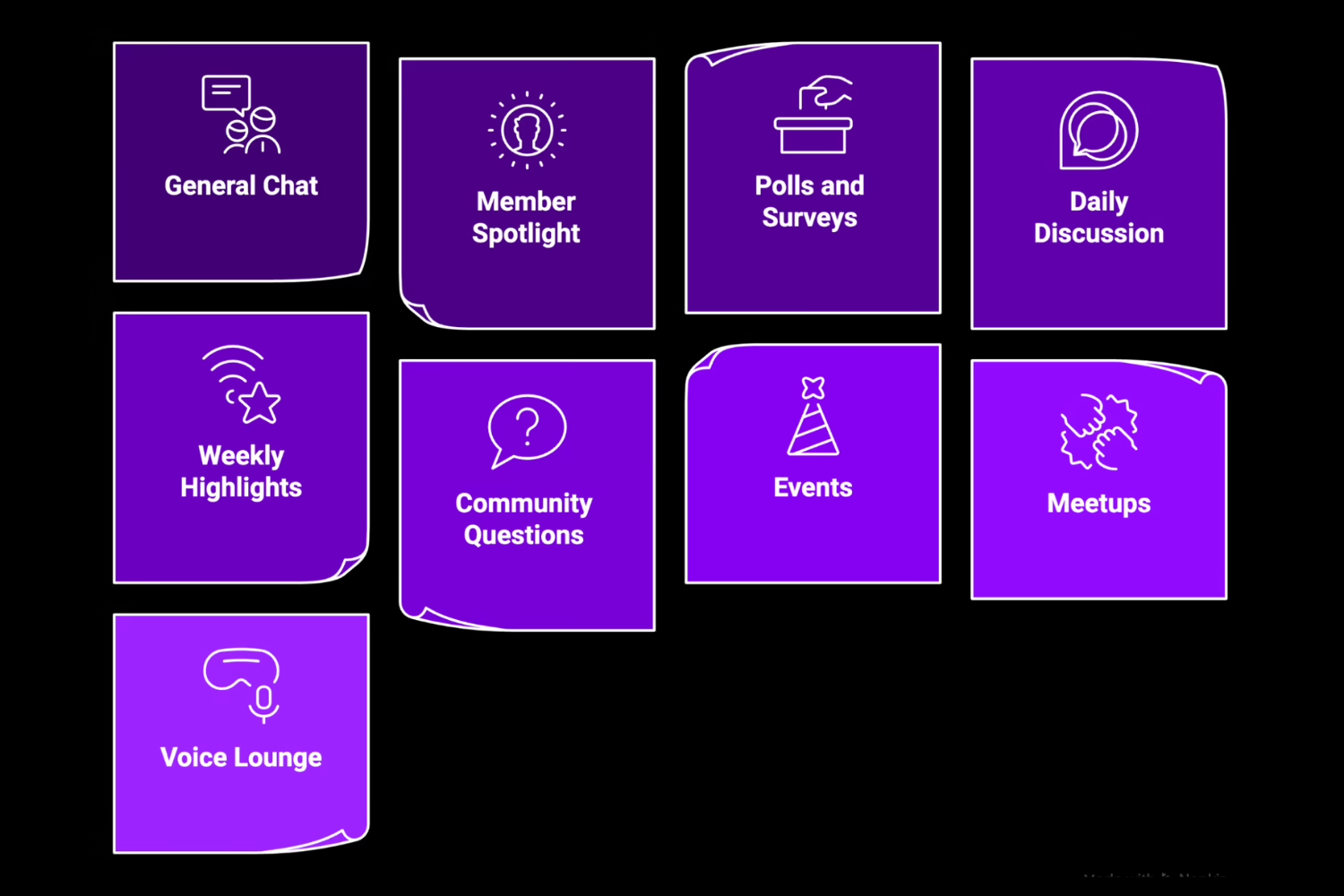
A server can look good at first, but if people don’t come back every day, it will slowly die. The goal is to give members a reason to check in often. These channels help keep your community active.
- #general-chat: Open conversation about the project, crypto, or anything loosely related.
- #introductions: New members share who they are and what brought them to the server.
- #member-spotlight: Weekly or monthly feature highlighting standout contributors.
- #polls-and-surveys: Quick community opinion checks on project decisions or fun debates.
- #daily-discussion: A prompted topic every day to spark fresh conversation.
- #weekly-highlights: Roundup of the biggest moments from the past week.
- #community-questions: Open Q&A about the project, token, or roadmap.
- #events: Upcoming AMAs, launches, or community events listed and discussed.
- #meetups: Coordination for IRL or virtual meetups between members.
- #voice-lounge: Companion text channel for anyone hanging out in voice chat.
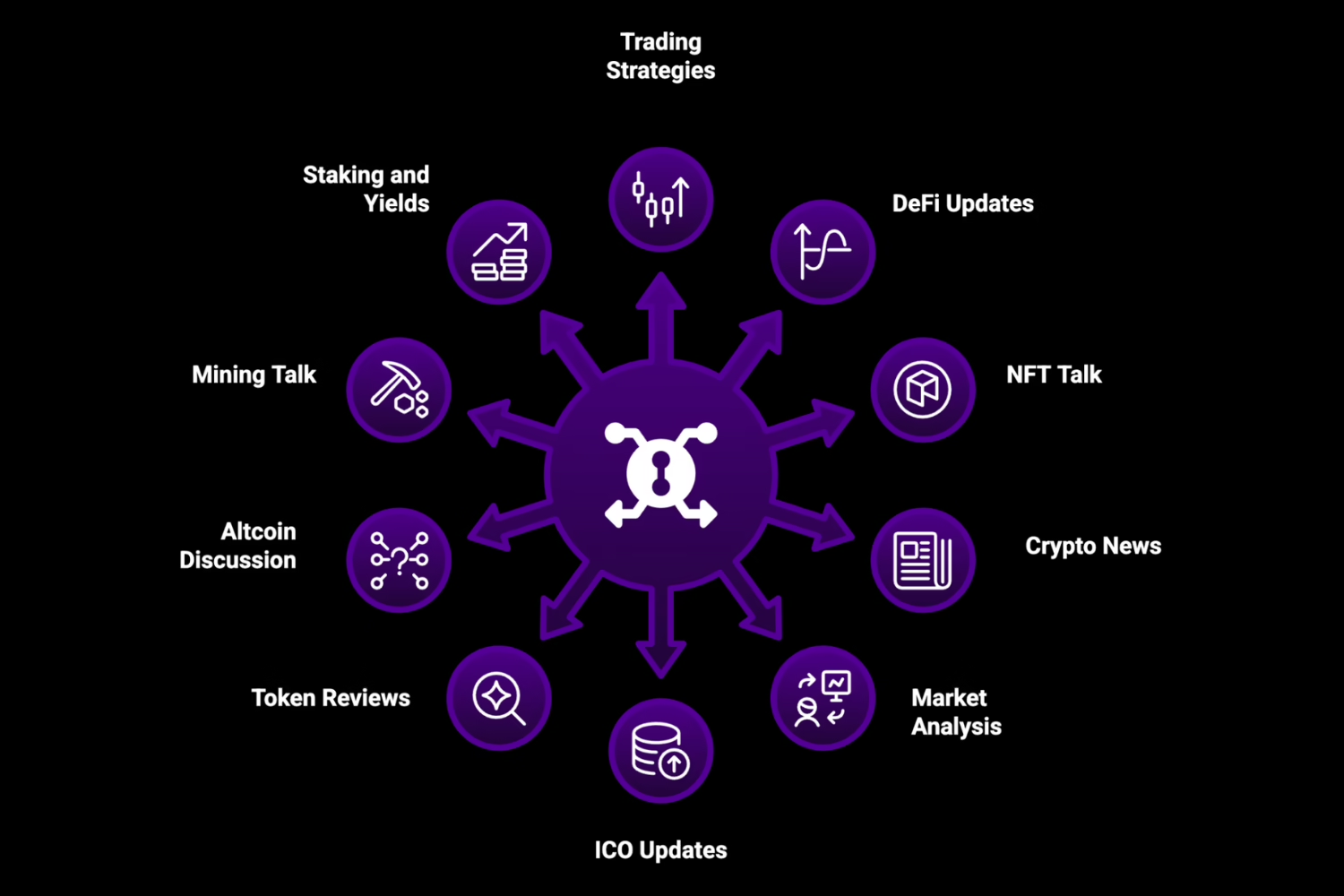
This is where your server starts to feel like a real community, not just a project page. These channels give people a reason to stay, share ideas, and learn from each other. They are especially useful for DeFi and NFT projects.
- #trading-strategies: Members share trade setups, entry/exit approaches, and TA.
- #defi-updates: Protocol news, yield farming updates, and exploit breakdowns.
- #nft-talk: Drops, floor prices, collections, and trend analysis.
- #crypto-news: Breaking news from across the market, aggregated and discussed.
- #market-analysis: Charts, macro commentary, and price discussion.
- #ico-updates: Talk about upcoming token sales and early-stage projects, often tied to crypto launchpads and new project releases.
- #token-reviews: Community-led due diligence on specific tokens or projects.
- #altcoin-discussion: Talk about emerging altcoins and under-the-radar plays.
- #mining-talk: Hardware setups, profitability calculators, and pool recommendations.
- #staking-and-yields: Strategies for staking, liquidity mining, and passive income.
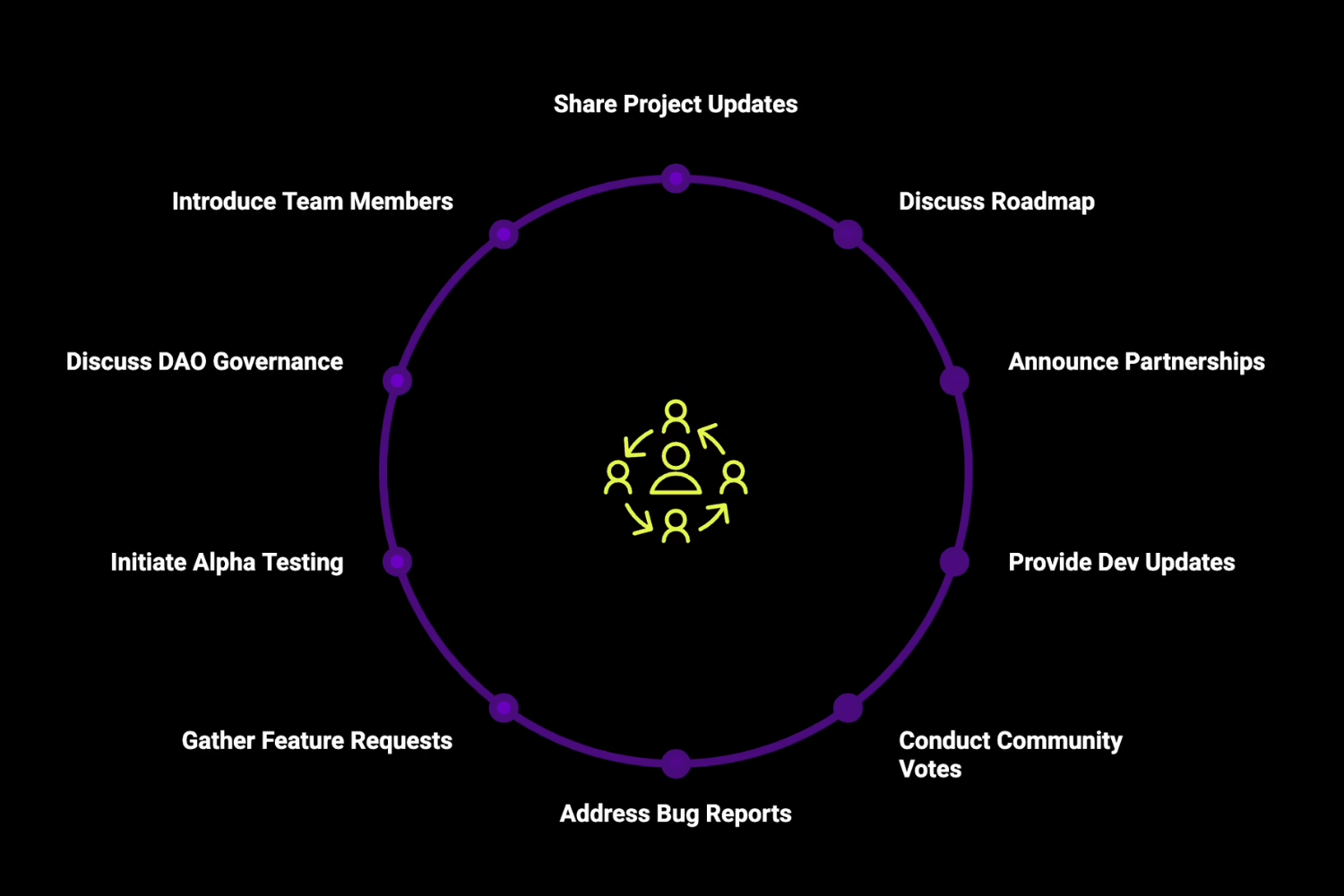
Your Discord is not just a place to chat. For serious blockchain technology projects, it’s where your team and your community stay connected in real time. These channels help keep holders, testers, and active members informed and involved.
- #project-updates: Official news about development milestones and progress.
- #roadmap-discussion: Open debate about timelines, priorities, and direction.
- #partnerships: New collaboration announcements and integration updates.
- #dev-updates: Technical updates: commits, releases, and engineering progress.
- #community-votes: Governance proposals and voting links go here.
- #bug-reports: Members flag bugs, glitches, or unexpected behavior.
- #feature-requests: Members propose and upvote new features.
- #alpha-testing: Gated channel for early testers getting first access to new builds.
- #dao-discussion: Governance talk, proposals, and DAO marketing related coordination.
- #team-introductions: Core team members share their backgrounds and roles.
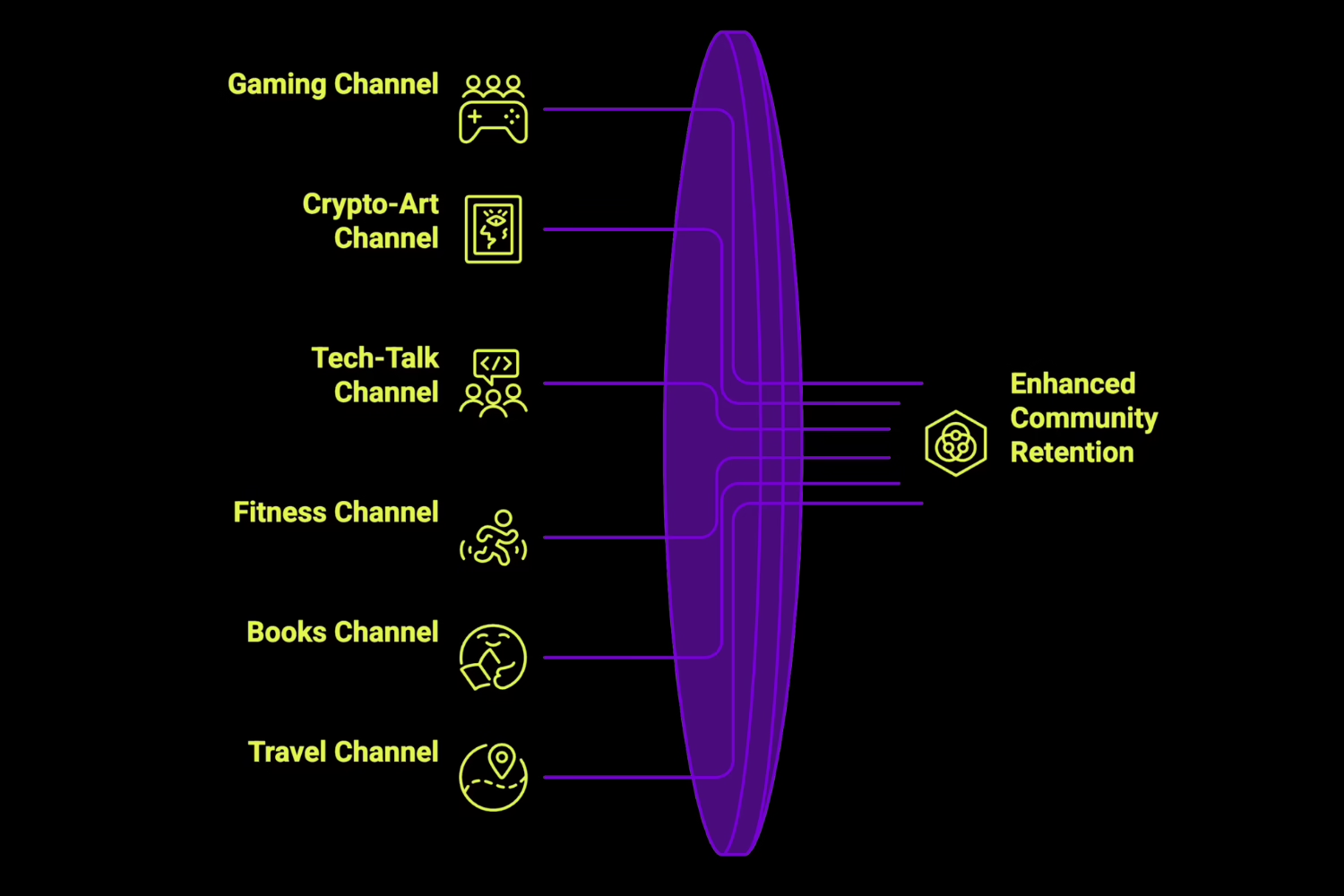
One thing we keep seeing in Web3 communities is this: the most active servers are not only about the token. They are about the people.
When you add non-crypto channels, members have a reason to come back even when the market is quiet. This is why many strong Discord groups include topics like gaming, pets, or food alongside crypto discussions.
- #gaming: Video games, GameFi, play-to-earn games, and gaming events.
- #crypto-art: Digital art, generative pieces, and NFT aesthetics.
- #tech-talk: AI, hardware, software, and cybersecurity conversations.
- #fitness-and-wellness: Workout sharing, health tips, and accountability groups.
- #books-and-learning: Reading recommendations and study group coordination.
- #travel: Digital nomad tips, destination reviews, and travel stories.
- #photography: Photo sharing, creative challenges, and gear talk.
- #movies-and-tv: Recommendations, reviews, and watch-along coordination.
- #food-and-drinks: Recipes, restaurant finds, and kitchen experiments.
- #pets: Pet photos and stories. Consistently one of the highest-engagement off-topic channels on any server.
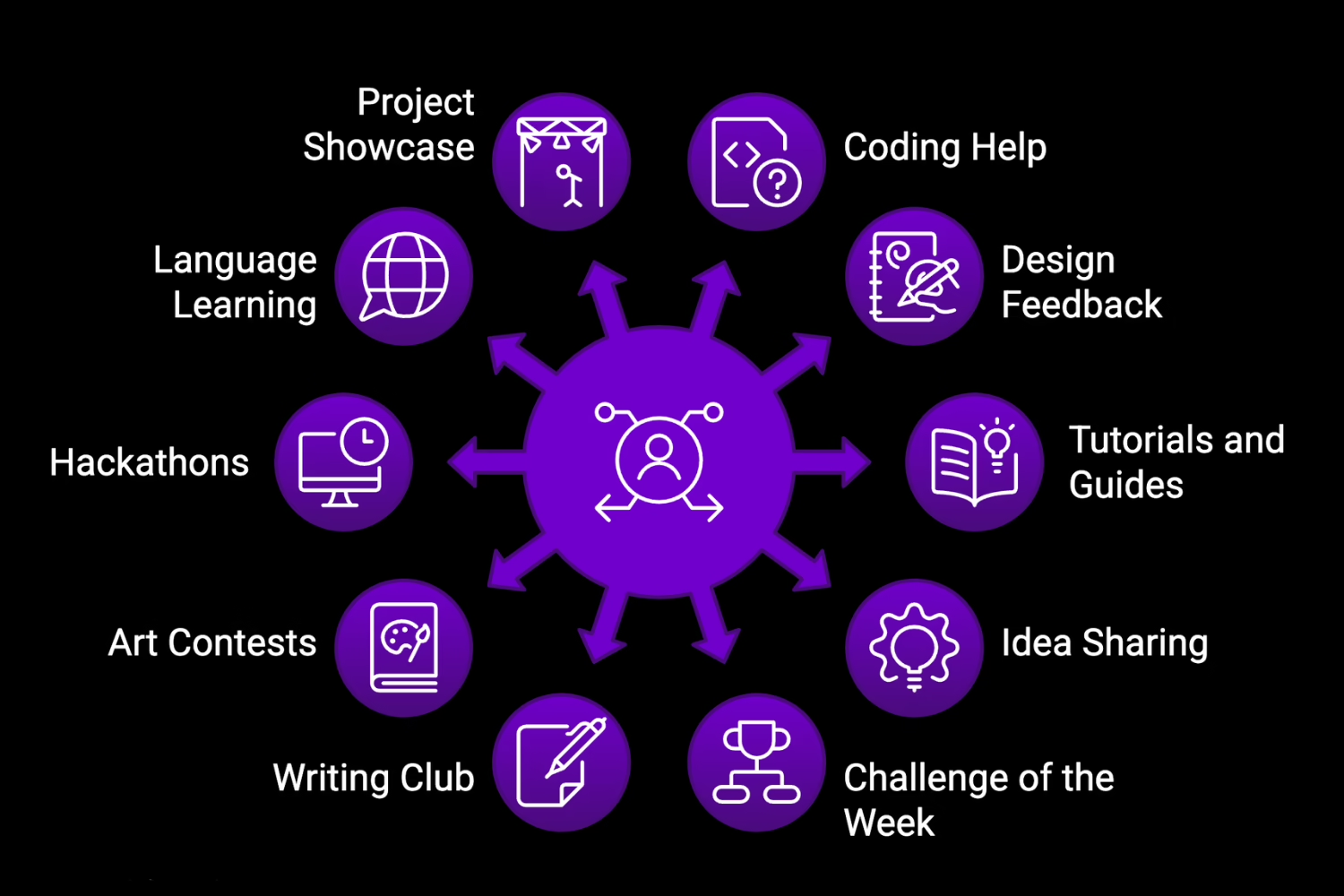
A server that helps people learn is one they will talk about and share. These channels turn your community into a place where members grow, not just scroll.
- #coding-help: Devs ask questions, share code snippets, and troubleshoot together.
- #design-feedback: Share UI/UX designs, logos, or graphics for honest community critique.
- #tutorials-and-guides: Step-by-step content created by members or the team.
- #idea-sharing: Brainstorming space for startup concepts, project improvements, or new tools.
- #challenge-of-the-week: Skill-based or creative weekly challenges with prizes.
- #writing-club: Writers share articles, tweet threads, or blog drafts for feedback.
- #art-contests: Themed visual art competitions with community voting.
- #hackathons: Team coordination, idea sharing, and submission tracking for hackathons.
- #language-learning: Language exchange and practice between multilingual members.
- #project-showcase: Members share what they’re building: personal dApps, tools, or protocols.
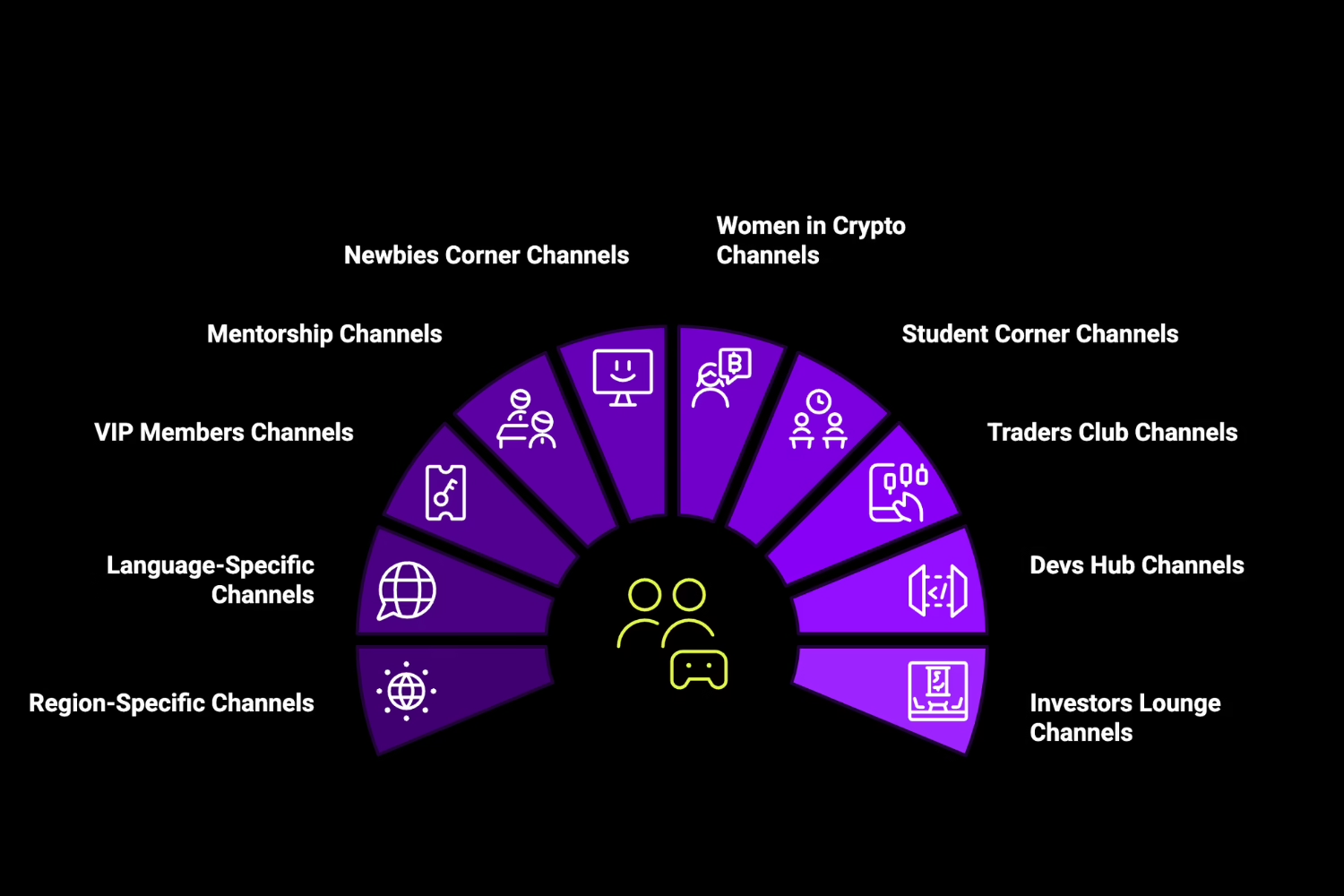
Not everyone in your server is the same. Some are traders, some are builders, and some are just starting. When you create spaces for different groups, people feel more comfortable and stay longer.
- #region-specific: Dedicated channels for geographic groups (e.g., #asia-pacific, #europe, #latam).
- #language-specific: Non-English channels for broader reach (e.g., #español, #中文, #العربية).
- #vip-members: Token-gated or role-gated space for top contributors and holders.
- #mentorship: Pair experienced members with beginners for structured learning.
- #newbies-corner: Judgment-free zone for people just getting started in crypto.
- #women-in-crypto: Supportive space celebrating and amplifying women in Web3.
- #student-corner: University students and early-career investors exploring the space.
- #traders-club: Active traders sharing real-time calls, setups, and market commentary.
- #devs-hub: Developers-only channel for technical collaboration and code reviews.
- #investors-lounge: Long-term holders discussing thesis, allocation, and macro plays.
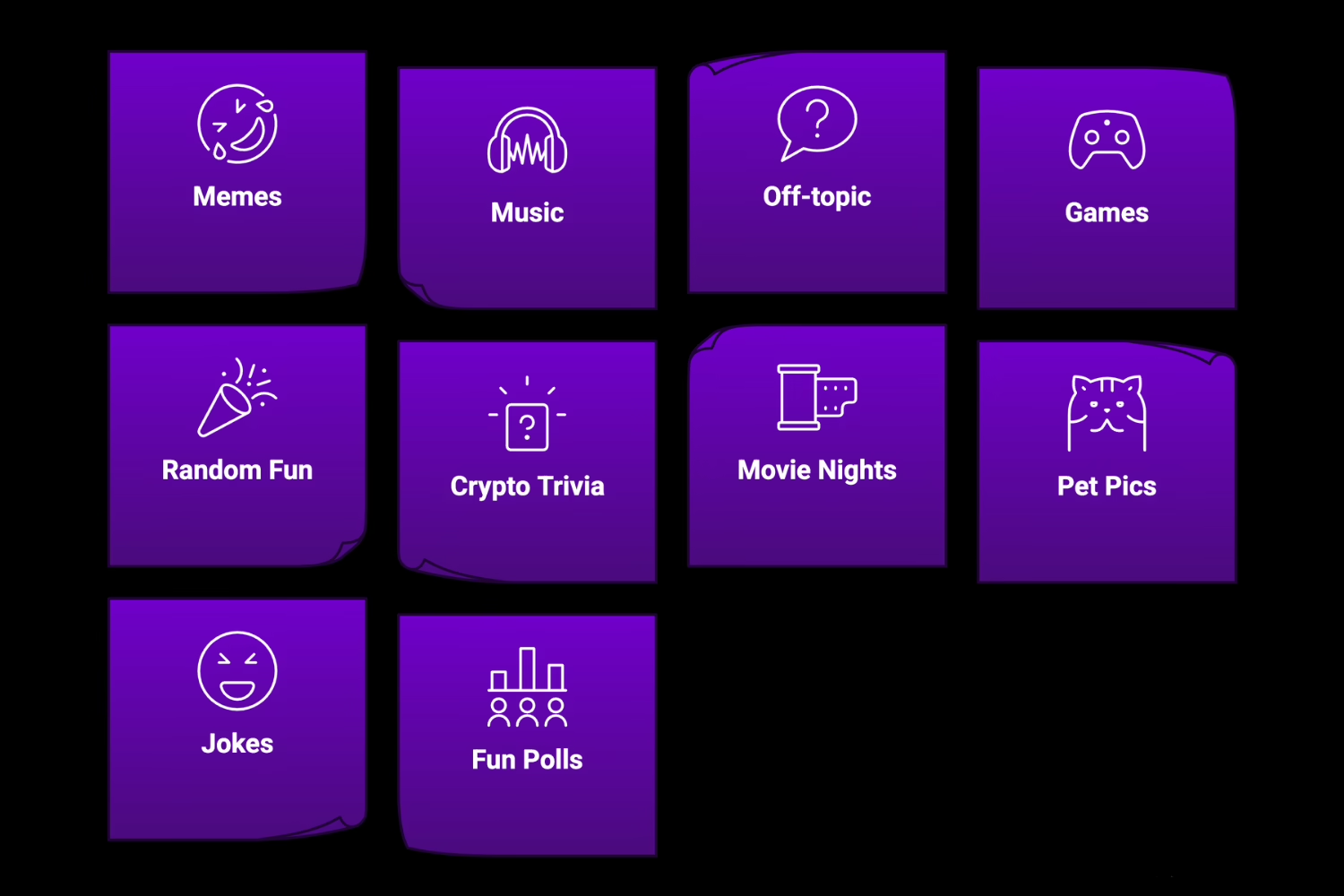
People spend 94 minutes a day on Discord, but not in quiet or boring channels. Fun channels make your server feel social and keep people active.
- #memes: Crypto memes, viral content, and market humor.
- #music: Playlist sharing, album drops, and genre debates.
- #off-topic: Anything goes. Non-crypto conversation that doesn’t fit anywhere else.
- #games: Mini-games, bot-powered games, and Discord activity features.
- #random-fun: Weird news, curiosities, and whatever the community digs up.
- #crypto-trivia: Daily or weekly trivia about blockchain history, protocol origins, and famous trades.
- #movie-nights: Coordinate virtual watch parties and discuss picks.
- #pet-pics: Dedicated pet photo channel. Always high engagement.
- #jokes: Crypto puns, one-liners, and lighthearted humor.
- #fun-polls: Silly or interesting polls on absolutely non-serious topics.
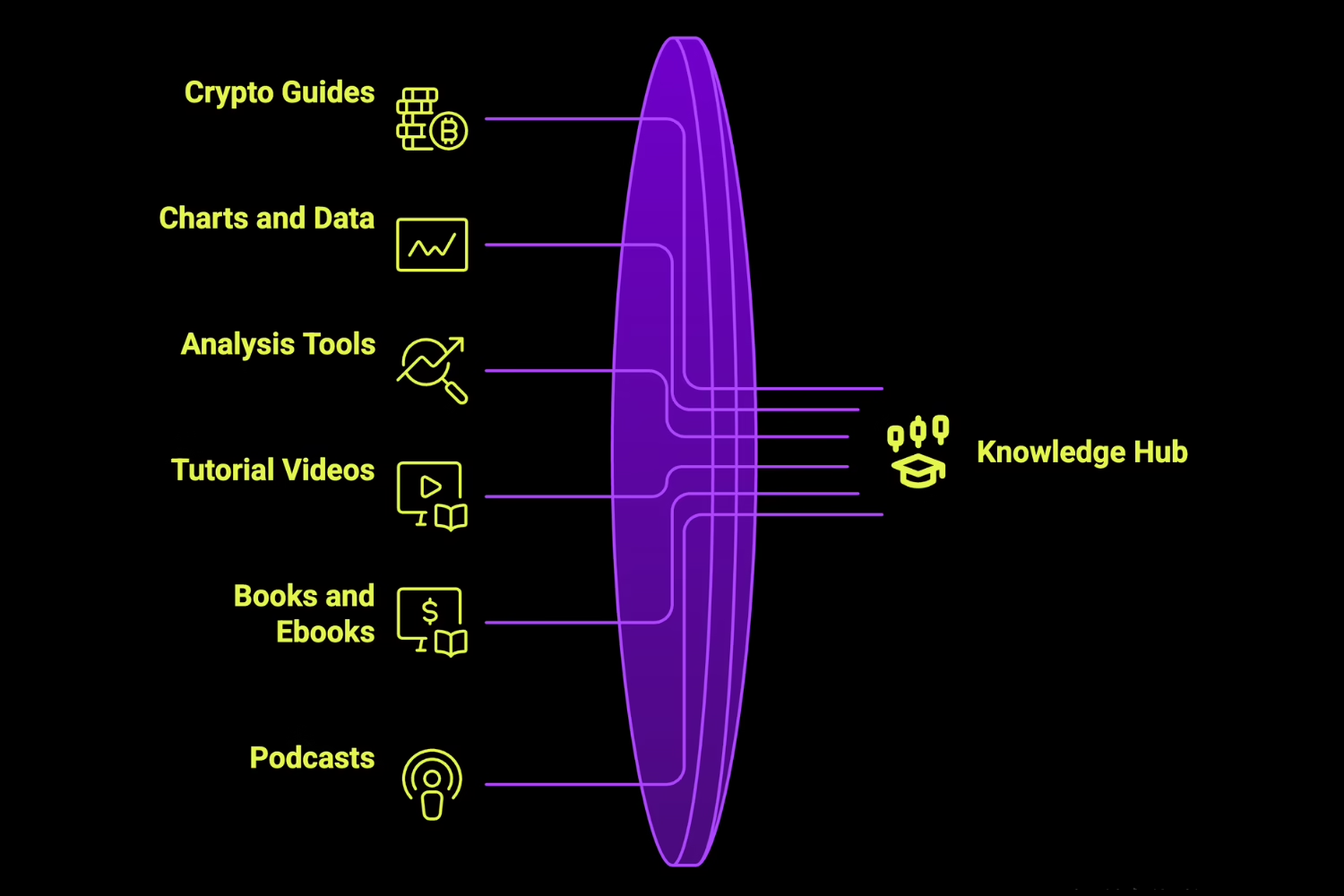
If you want people to come back often, give them useful content. These channels act like a library your members can rely on.
- #crypto-guides: Beginner-friendly guides on wallets, exchanges, and terminology.
- #charts-and-data: On-chain data, price charts, and market visuals.
- #analysis-tools: Recommendations for crypto analysis tools like DeFiLlama, Nansen, and Dune Analytics.
- #tutorial-videos: Curated video content from top crypto YouTube channels or your own team.
- #books-and-ebooks: Crypto and finance reading recommendations with member reviews.
- #podcasts: Episode recommendations from the best crypto podcasts and discussion threads.
- #webinars: Links and recaps from live sessions, AMAs, and virtual panels.
- #research-papers: Academic and industry research shared and discussed.
- #crypto-glossary: Pinned resource defining common terms and acronyms.
- #blog-roundup: Weekly links to the best crypto blogs and thought pieces.
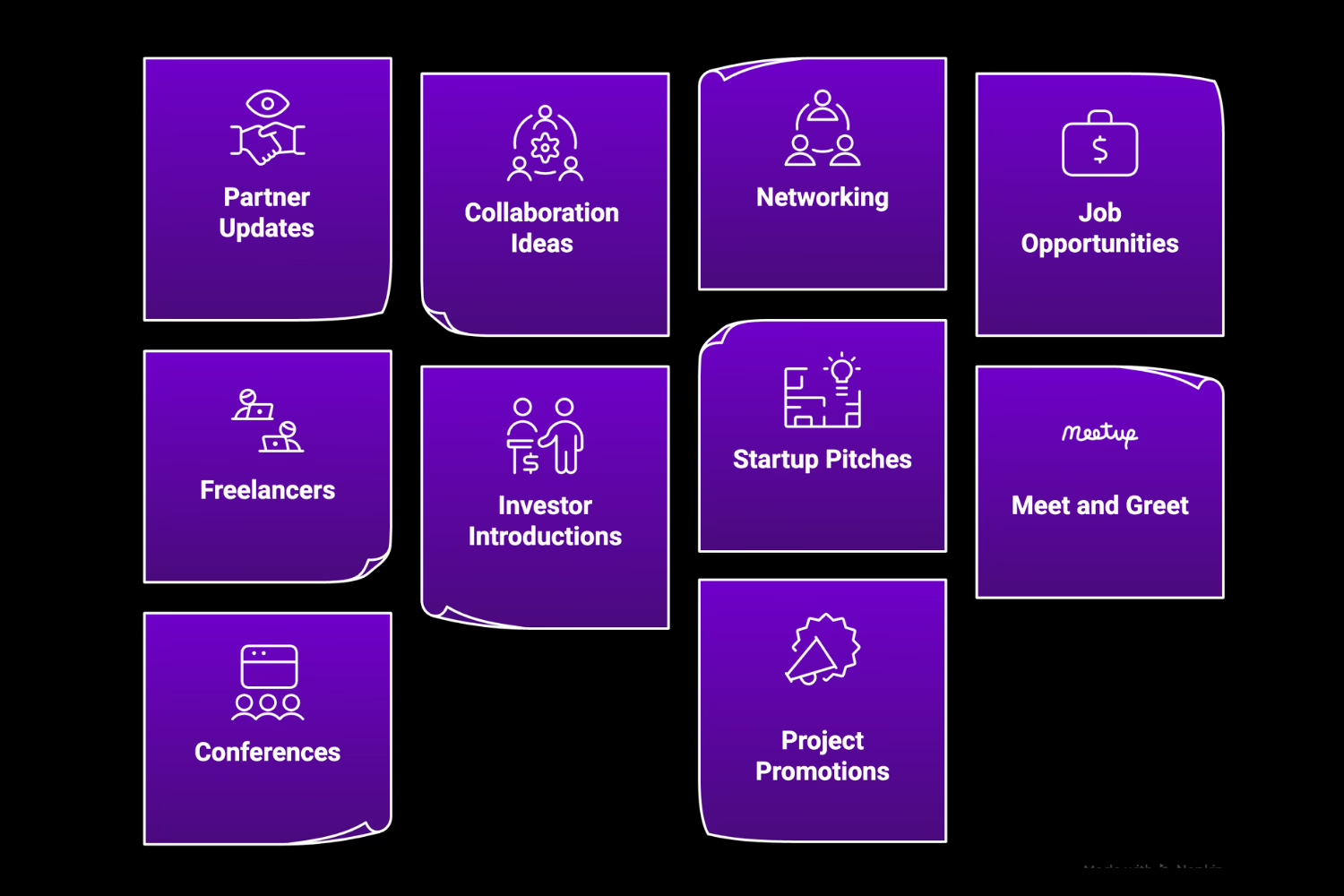
The strongest Web3 communities in 2026 aren’t islands. They’re connected to a broader ecosystem of builders, investors, and collaborators. These Discord channel ideas extend your server’s reach and create professional value that keeps serious participants engaged. If your project is running KOL marketing campaigns or PR campaigns, these channels become the natural home for that buzz.
- #partner-updates: Official news from project partners and collaborators.
- #collaboration-ideas: Community-sourced partnership or crossover proposals.
- #networking: Open channel for professional introductions and connection requests.
- #job-opportunities: Web3 job postings, internships, and freelance gigs.
- #freelancers: Developers, designers, and writers offering their services to the community.
- #investor-introductions: Investors share their thesis and what they’re looking for.
- #startup-pitches: Founders pitch early-stage ideas for feedback and potential backing.
- #meet-and-greet: Structured introductions for newer members joining the professional network.
- #conferences: Discussion about upcoming crypto conferences and industry events.
- #project-promotions: Controlled space for members to promote their own projects (with posted rules).
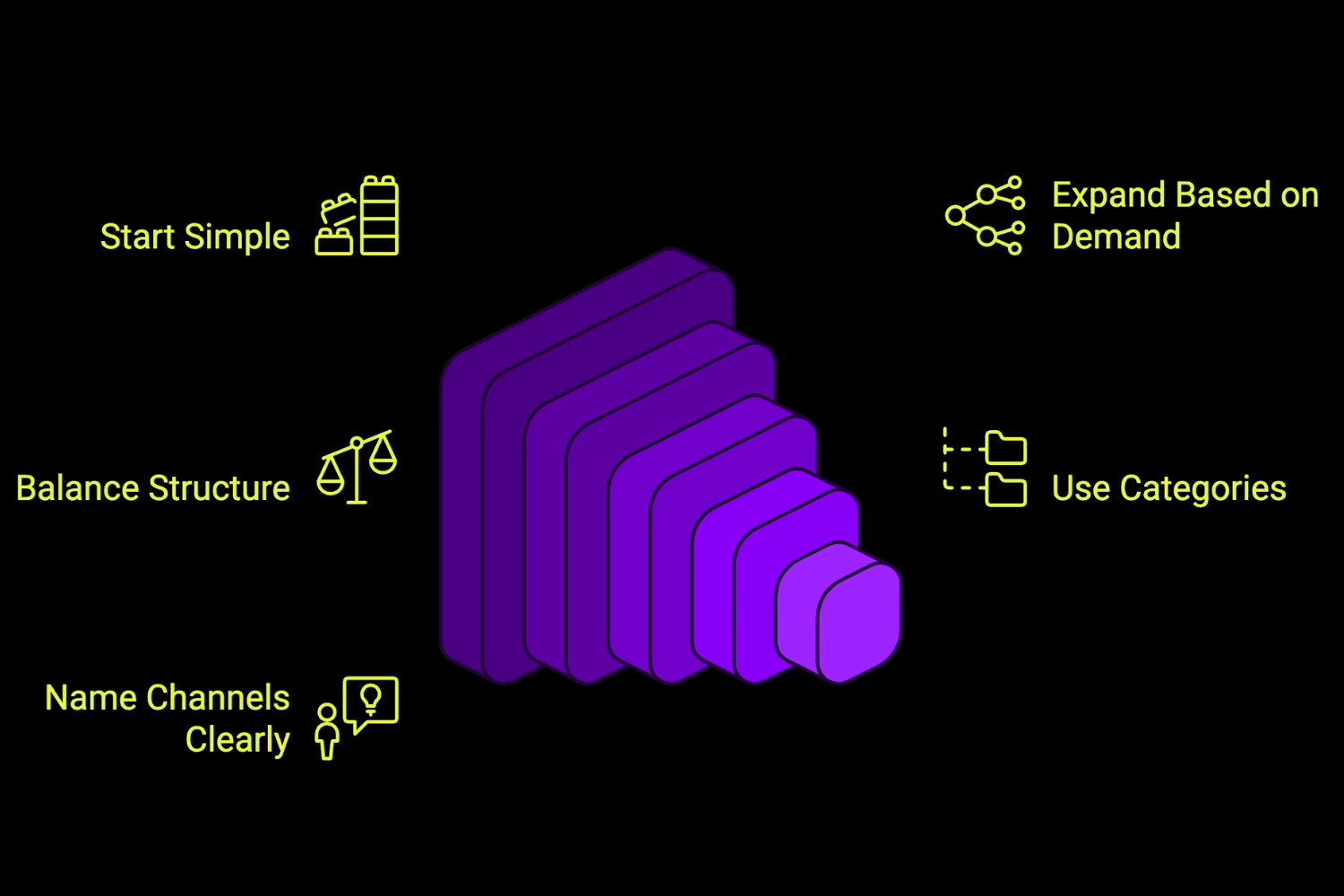
Having a list of channel ideas helps, but knowing what to use and when to add them matters just as much. Here is a simple way to think about it.
Know Your Audience Before You Build
Before you create any channels, understand who your members are. Traders, developers, investors, and beginners all want different things. If people come back often, your server is working. That is the goal.
Use tools like Statbot or Discord’s Server Insights to see which channels people use the most. Let that data guide you. Also, talk to your early members. Their feedback should shape your server from the start.
Start Simple, Then Expand Based on Demand
Begin with 5 to 10 channels. For example: welcome, announcements, general chat, support, and rules. That is enough in the beginning.
Creating too many channels too early is a common mistake. It confuses new members and spreads activity too thin. Add new channels only when people need them. If a channel becomes inactive, archive it instead of deleting it.
Balance Structure With Breathing Room
Each channel should have a clear purpose, but people also need space to talk freely. Start with the basics, then add topic channels, then optional ones later.
You can also create private channels for active members or holders. Tools like Guild.xyz and Collab.Land makes this easy. One active general chat is more valuable than many empty channels.
Use Categories to Reduce Clutter
Group related channels under Discord categories like “📋INFO,” “💬COMMUNITY,” “📊MARKET,” and “🎉FUN.” This reduces the mental load for new members and gives your server a professional feel.
Try to keep each category small and clean. Too many channels in one place can feel overwhelming. You can also pin a short guide in your welcome or FAQ channel to help new members find their way.
Name Your Channels So People Get It Instantly
Use simple and clear names. Stick to lowercase and use hyphens, like #trading-strategies. You can add emojis to make channels easier to scan. For example, use one for announcements or chat.
Avoid vague names. A channel should be easy to understand at a glance. If someone cannot tell what it is for, rename it. Testing names with a few early members can help you get this right.