Before we get into specific strategies, let’s talk about how marketing is what gets your project noticed.
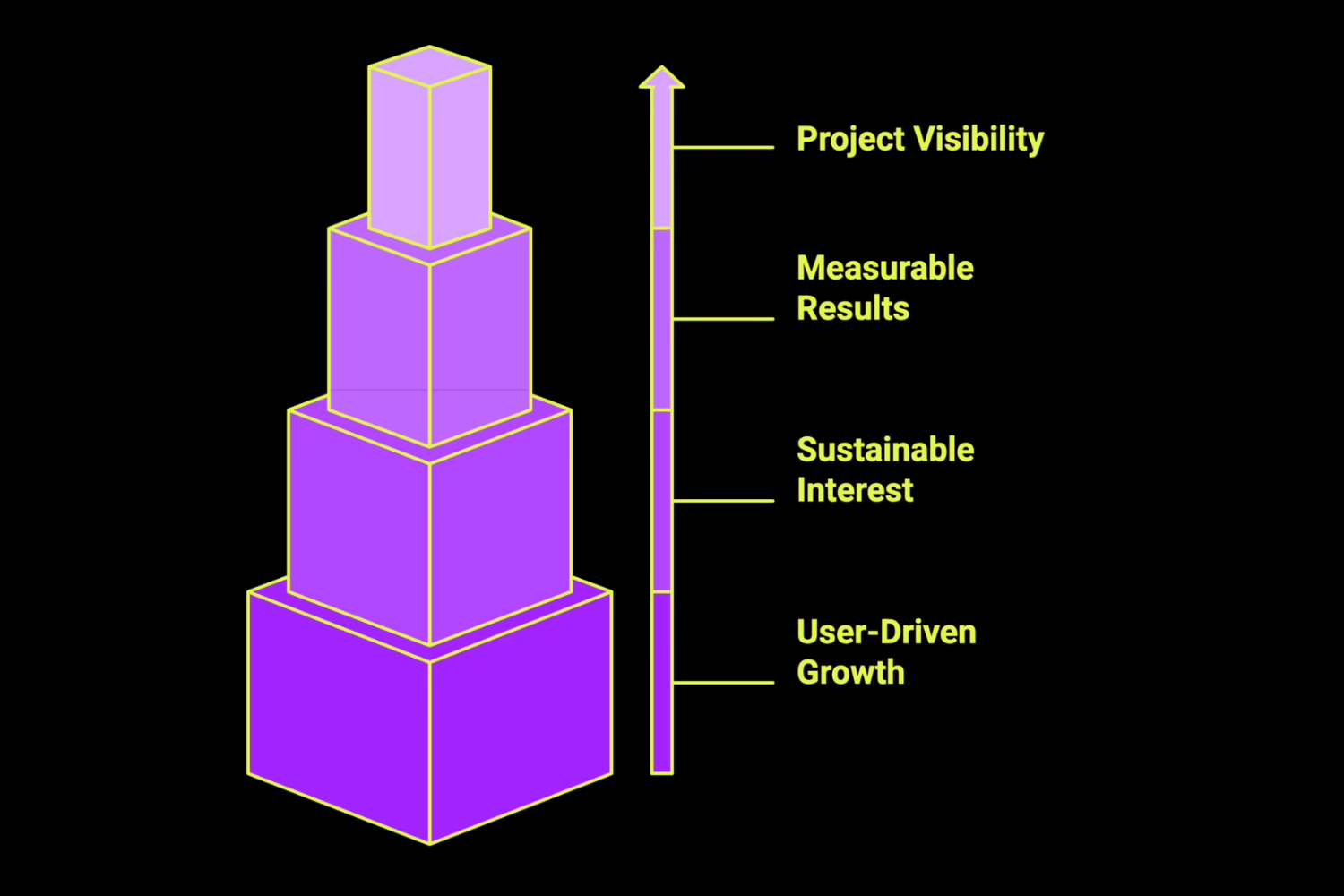
- People won’t find your project by accident. Thousands of new projects launch every year. Marketing is how your project reaches the right audience. That audience includes people who already use wallets, apps, and on-chain tools, not random viewers.
- You can see what actually works. Crypto marketing shows real actions, not just likes. You can track who connects a wallet, uses the product, or comes back again. This makes it easier to fix what doesn’t work and double down on what does.
- Hype alone doesn’t last. A single big launch might bring attention for a moment, but users today are careful. Today, you need to build trust and interest through repeated, clear communication.
- Real users help you grow faster. When people use your product or hold your token, they talk about it, explain it to others, and bring in new users. That kind of growth is stronger than paid ads and lasts much longer.
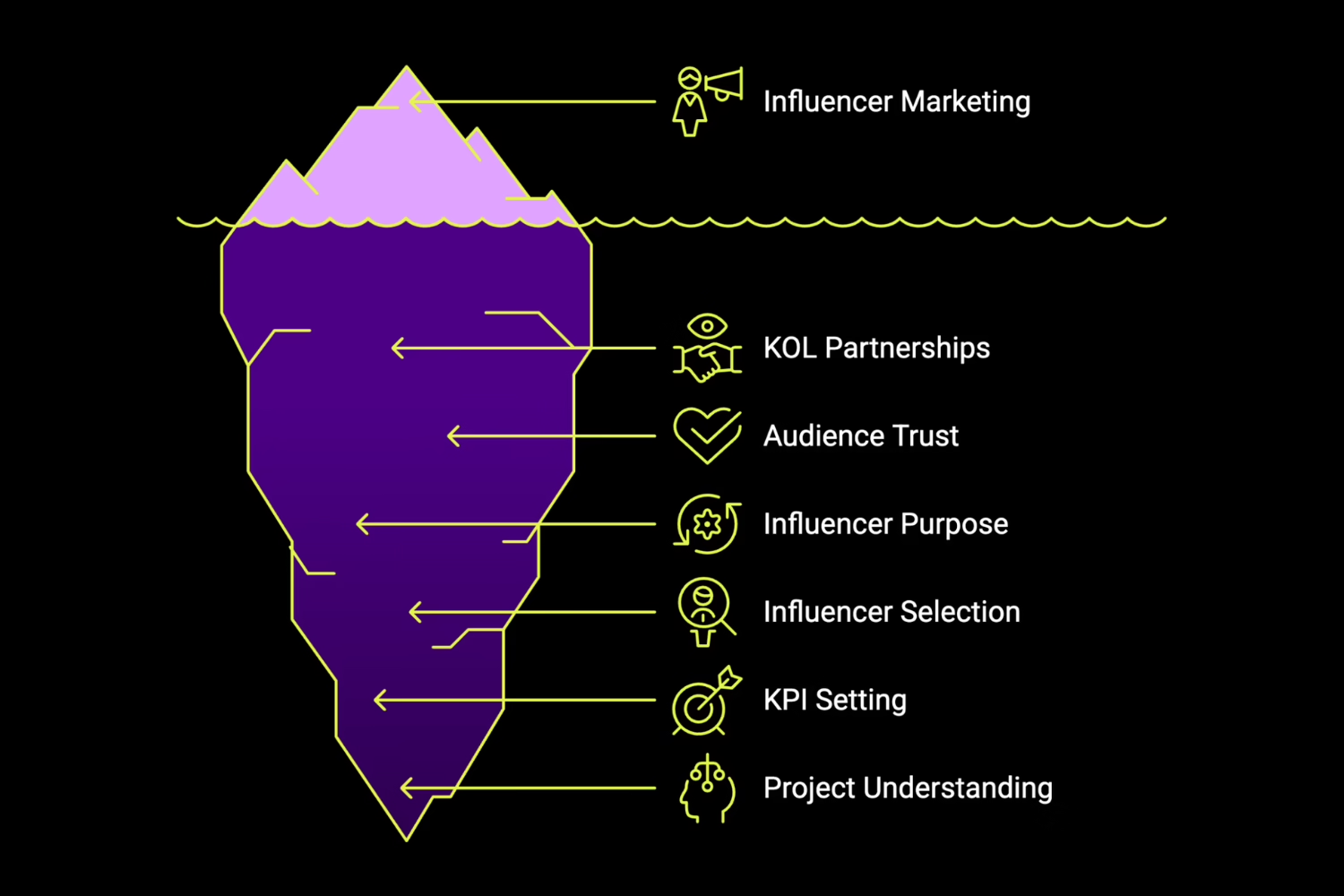
Now let’s talk about the 10 proven strategies that will improve your crypto marketing and get you to the next level:
Influencer Marketing & KOL Partnerships
Crypto influencers play a key role in Web3 marketing. Large influencers bring wide reach, mid-level creators balance visibility and engagement, and smaller KOLs often build stronger trust within niche communities.
However, crypto influencer marketing is not the same as traditional influencer campaigns.
In traditional marketing, brands track reach, impressions, and reposts. In crypto, those numbers are not enough. Campaigns must focus on bottom-line KPIs that drive real growth and revenue.
- The definition of conversion depends on your project.
- For a token presale, it means purchases.
- For DeFi platforms, wallet connections or deposits.
- For exchanges, funded accounts.
- For Web3 SaaS tools, sign-ups or paid subscriptions.
Influencer marketing in crypto should lead to measurable actions, not just engagement.
Before working with a KOL, it is important to check their crypto knowledge, audience quality, and alignment with your goals. Clear tracking and ongoing partnerships usually deliver better results than one-time posts.
What we suggest for a successful KOL marketing campaign is to work with influencers who truly understand your project and connect with their followers.
At theKOLLAB, we work with a network of 250+ verified crypto KOLs across X, YouTube, and Web3 communities. This approach leads to more engaged users, stronger communities, and results that last beyond a single post.
Content Marketing
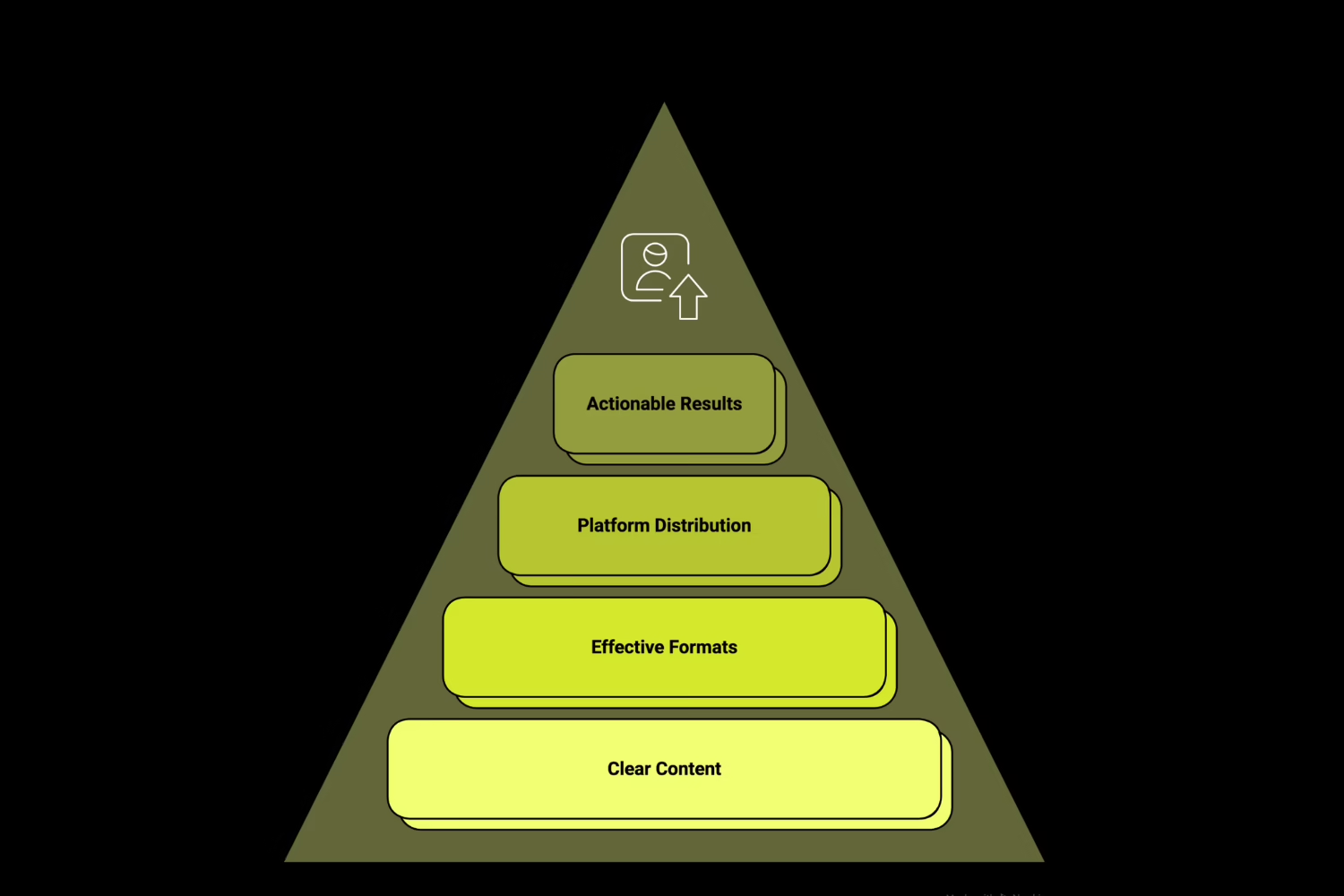
Content helps people understand what your project does and why it matters. The most effective content teaches users instead of just trying to sell. When you explain things clearly with real examples and simple step-by-step guides, people start to trust your project more.
Talking about different content types: short videos work better than long blocks of text because they make ideas easier to follow. For those who want to learn more, detailed tutorials or live Q&A sessions show that your team knows what they’re doing and is open to questions.
It’s important to share your content on different platforms, so more people see it. Also, focus on tracking real results like sign-ups, wallet connections, or product use instead of just counting views. If your content does not help people take action, it is not serving its purpose.
We have tested different approaches in our content marketing campaigns, depending on the goal and target audience.
One example is the short-form video style, as seen in Lark Davis’s content. This format is clear, direct, and focused on quickly explaining the project’s value while highlighting strong backers and key selling points. Its goal is to capture attention fast and create immediate interest.
The results of this campaign for Masa were strong. The campaign generated 200% oversubscription, with demand reaching 6.4 times the available supply. In total, the community sale on CoinList raised $8,750,000.
In contrast, the second example from VirtualBacon follows a long-form educational format. The video includes structured chapters, a clear disclaimer, and a deeper analysis of the Bitcoin ecosystem. Instead of pushing urgency, it focuses on building authority and trust by explaining concepts like Bitcoin Layer-2s, meta protocols, and ecosystem opportunities in detail.
While short-form content drives fast traction and strong launch momentum, long-form educational videos nurture more informed users who are often more confident and conversion-ready. Both formats serve different purposes, and combining them creates a stronger overall content marketing strategy.
Search Engine Optimization (SEO)
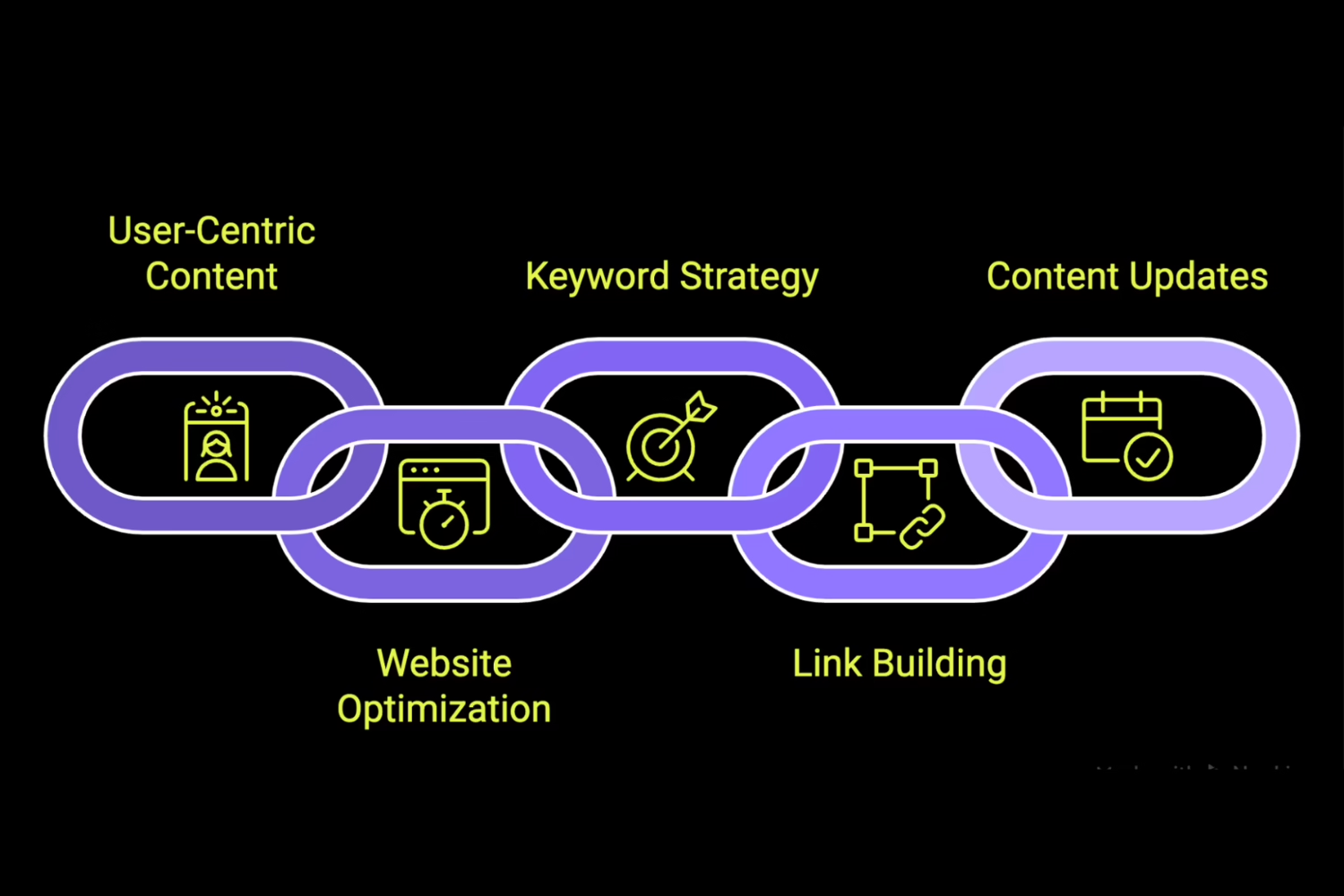
SEO helps people find your project through organic search, which is important now that paid ads are limited. That is why SEO for crypto marketing is crucial. However, some crypto sites are hard for search engines to read because they use complex code, excessive CSS or JavaScript, or don’t provide clear information.
To improve your SEO, start by answering real questions that users have in a simple way. If your content reads well to both users and search engines, the higher it will rank in SERP.
Also, make sure your website loads quickly and works well on mobile and other devices. Using tools like PageSpeed Insights and Core Web Vitals in Google Search Console will help you understand your website’s loading speed and identify areas for optimization.
It’s important to focus on specific search phrases, such as “how to stake ETH safely,” instead of broad terms. Also, make sure your content and keywords align with search intent.
Building links from trusted crypto websites adds credibility and helps improve your ranking.
Finally, keep your content updated and show your team’s expertise clearly to build trust with both users and search engines.
Community Management
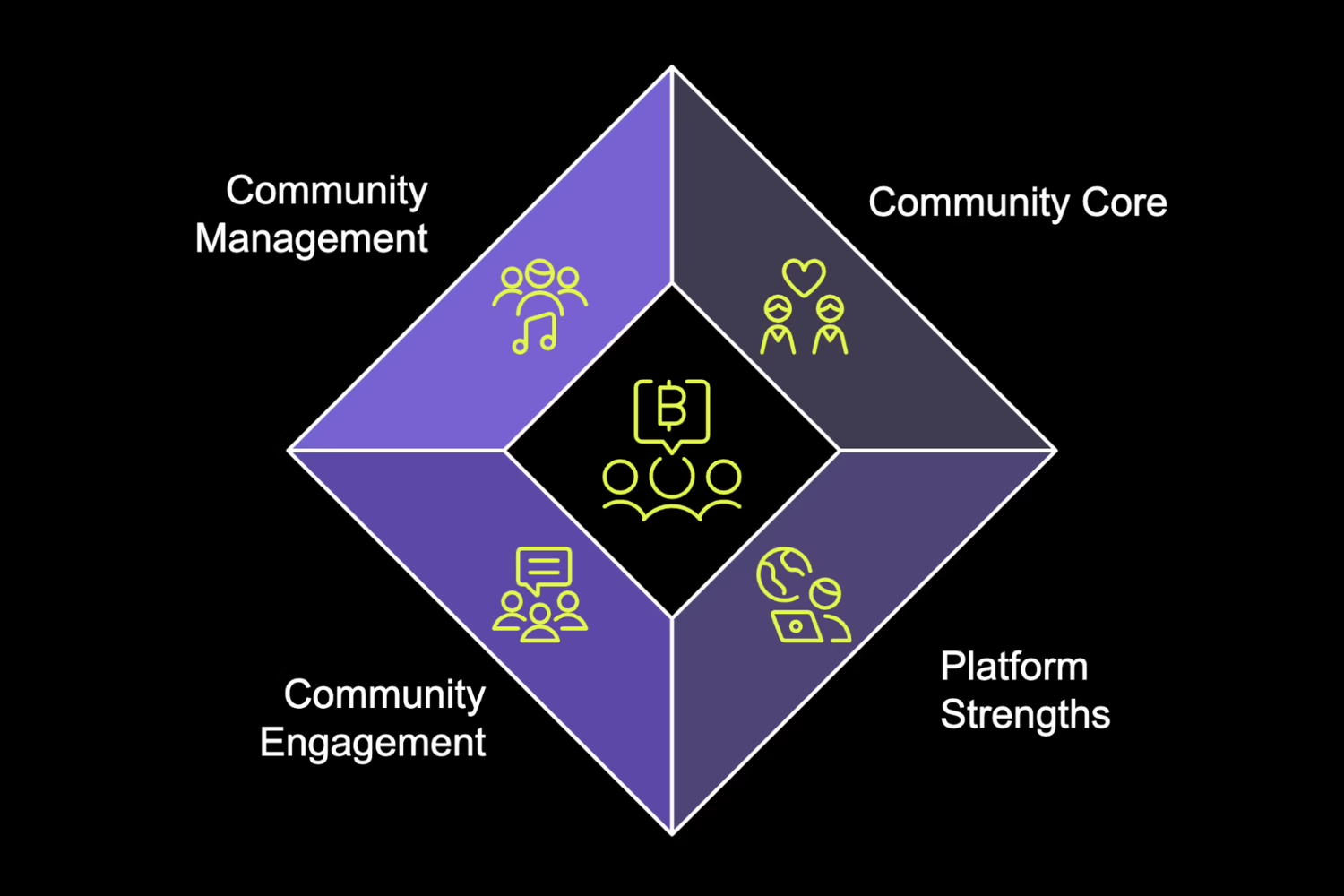
Your community is the core of your crypto project. It brings new users, gives feedback, and keeps people loyal. Successful projects create spaces where users can talk, ask questions, and share ideas.
Different platforms have different strengths. Discord groups are good for deep chats and organizing groups. Telegram channels work well for quick updates. X (Twitter) spreads news and joins conversations. Reddit supports honest discussion. Instagram and TikTok are great for short videos that grab attention. To keep your community active, share updates often, run polls, offer special rewards, and provide helpful content. Being open and responsive builds trust.
Here are some tips: Use each platform for what it does best. Encourage participation with polls and contests. Watch how active your users are, not just follower numbers. Listen to feedback and keep your communication honest and steady. You can grow and manage communities by combining good content with active management. This approach keeps users engaged and strengthens your project.
Paid Advertising (PPC) & Crypto Ad Networks
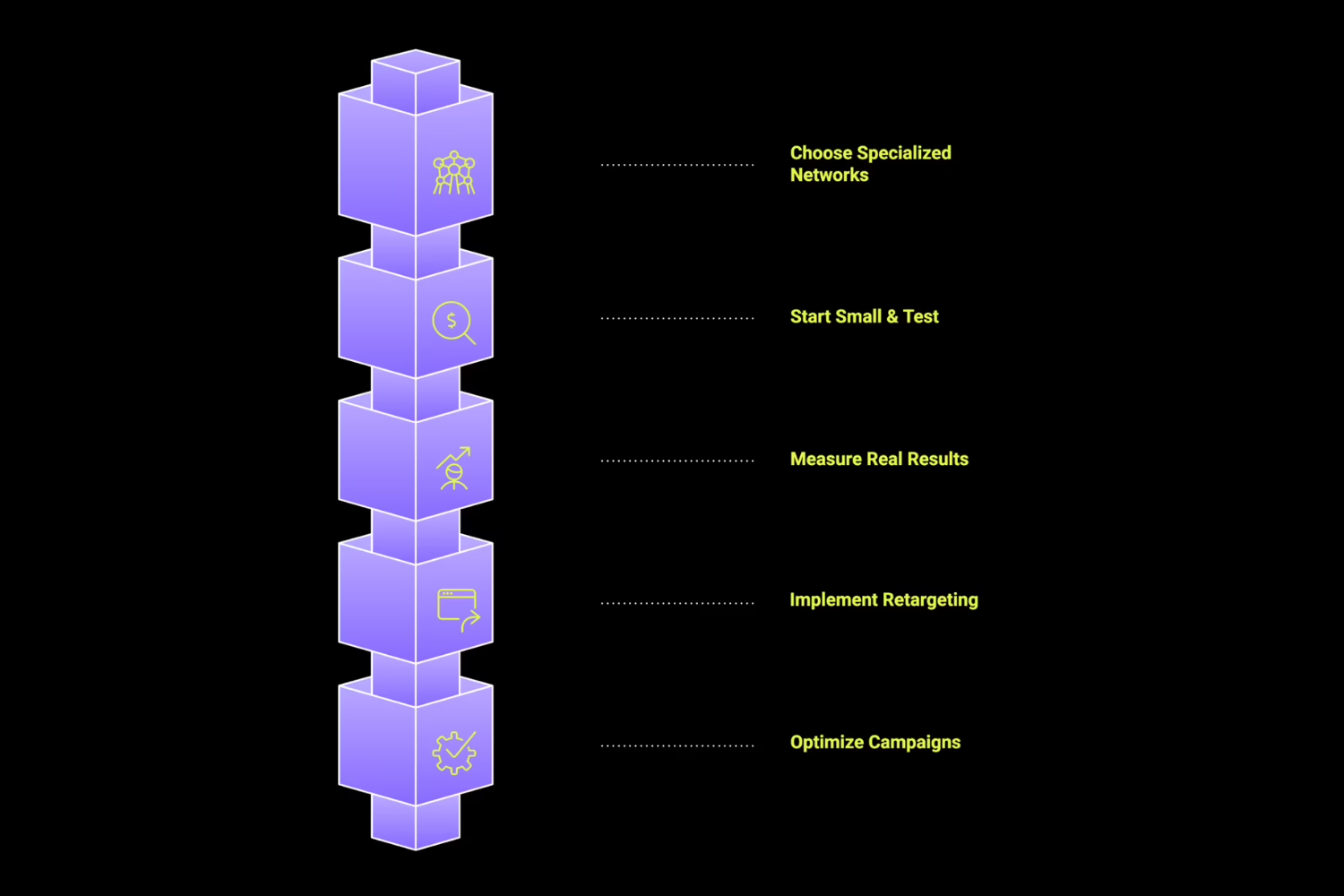
Advertising crypto projects can be tricky because big platforms like Google and Meta have strict rules or ban many ads. That’s why specialized crypto ad networks like Coinzilla, Cointraffic, Mintfunnel, and Bitmedia are popular. They help you reach the right crypto audience while following regulations.
Start your campaigns with smaller budgets to test how good the traffic is before spending more. Instead of just counting clicks, measure real results such as sign-ups, wallet connections, or deposits. Retargeting is useful to bring back users who showed interest but didn’t convert at first.
At theKOLLAB, we create paid campaigns that carefully balance reaching the right people, following compliance, and driving meaningful growth. We constantly track results and tweak strategies to make sure your advertising budget works hard without risking violations.
Public Relations (PR) & Media Coverage
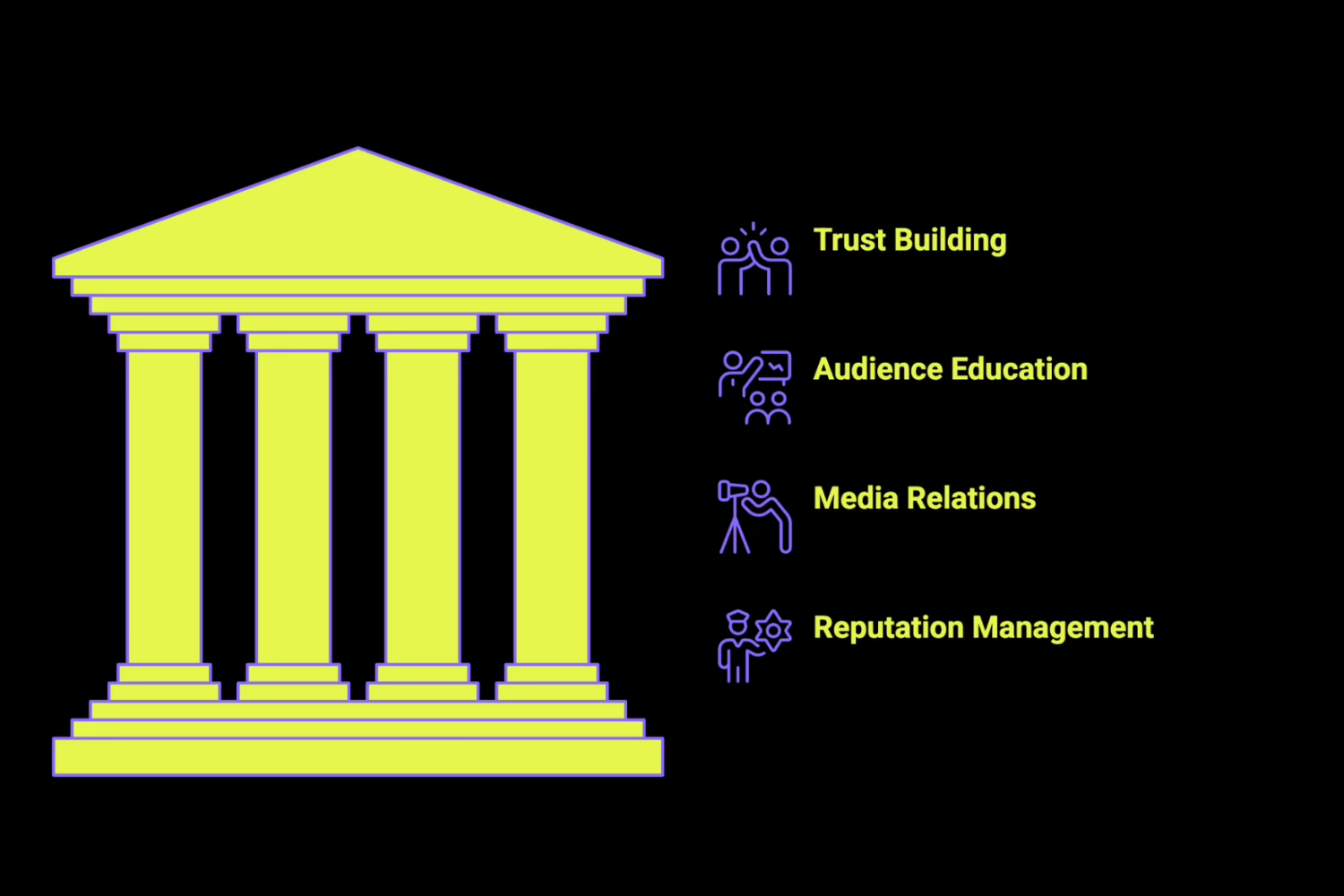
Crypto PR is about building trust, not just making noise. As we already said in crypto, clear and honest communication is crucial. Successful projects focus on educating their audience, sharing clear messages, and working with trusted media. Aim for well-known publications to boost credibility.
- Before launch, share your project’s purpose and early updates.
- During the launch, highlight new features, partnerships, and readiness.
- After launch, keep updates flowing, answer questions, and manage any problems.
At theKOLLAB, we help projects connect with the right media and create honest messages that build reputation over time. We prepare clear media kits, keep regular contact with journalists, use relatable stories, and monitor coverage to correct mistakes. Aligning PR with your overall marketing ensures a consistent message.
We handled PR and SEO for a blockchain company by securing media coverage, improving their website, and creating content to boost search visibility. As a result, we increased their organic traffic by 40%, helped them rank on the first page for key keywords, and strengthened their credibility through features in major crypto media.
Email Marketing & Newsletter Strategy
Email is a direct way to reach all types of crypto users without relying on social media algorithms. Good emails include welcomes, newsletters, token updates, and security tips. Clear subjects and simple content make people want to open and read them. Adding visuals like charts or videos helps too.
Send relevant emails by grouping users based on their interests. Use automated sequences to guide them from learning to joining. Track opens, clicks, and sign-ups to improve. Always offer useful info, not just promotions. Grow your list with gated content or early access offers.
Partnerships, Referrals, & Growth Loops
Working with exchanges, other projects, or institutions helps you reach new users and build trust. Referrals turn your community into promoters by rewarding them for inviting others.
To succeed, choose partners with similar goals, keep referral rules simple, and reward both sides. Track results with unique links to see what works. Together, partnerships and referrals create strong network effects that boost growth without heavy ad spending.
Event Marketing & Conference Strategy
Crypto Conferences, meetups, and webinars let you show your product, build trust, and create lasting impressions that online channels alone can’t match.
Big conferences like Consensus or ETHDenver offer wide exposure, while side events and meetups create more personal connections. Virtual events reach global audiences, and hackathons engage developers directly.
Our advice is to focus on quality experiences, mix online and in-person formats, and align your message with your brand. Measure success by leads, partnerships, and engagement, not just how many show up.
AI-Powered Marketing & Automation
AI can help create and improve content like blogs, social posts, and videos, and even translate for different languages. It can also assist in managing communities by answering common questions, spotting scams, and tracking how people feel about your project.
For advertising, AI predicts which campaigns will work best, adjusts ads in real time, and helps you spend your budget wisely. It also analyzes user behavior to find the most valuable audiences for targeted campaigns.
To get the most from AI, use it to support your team’s creativity, not replace people. Combine AI data with real blockchain info to track true engagement. Automate simple tasks like scheduling and moderation so your team can focus on strategy. Always be open with your community about using AI to keep their trust.
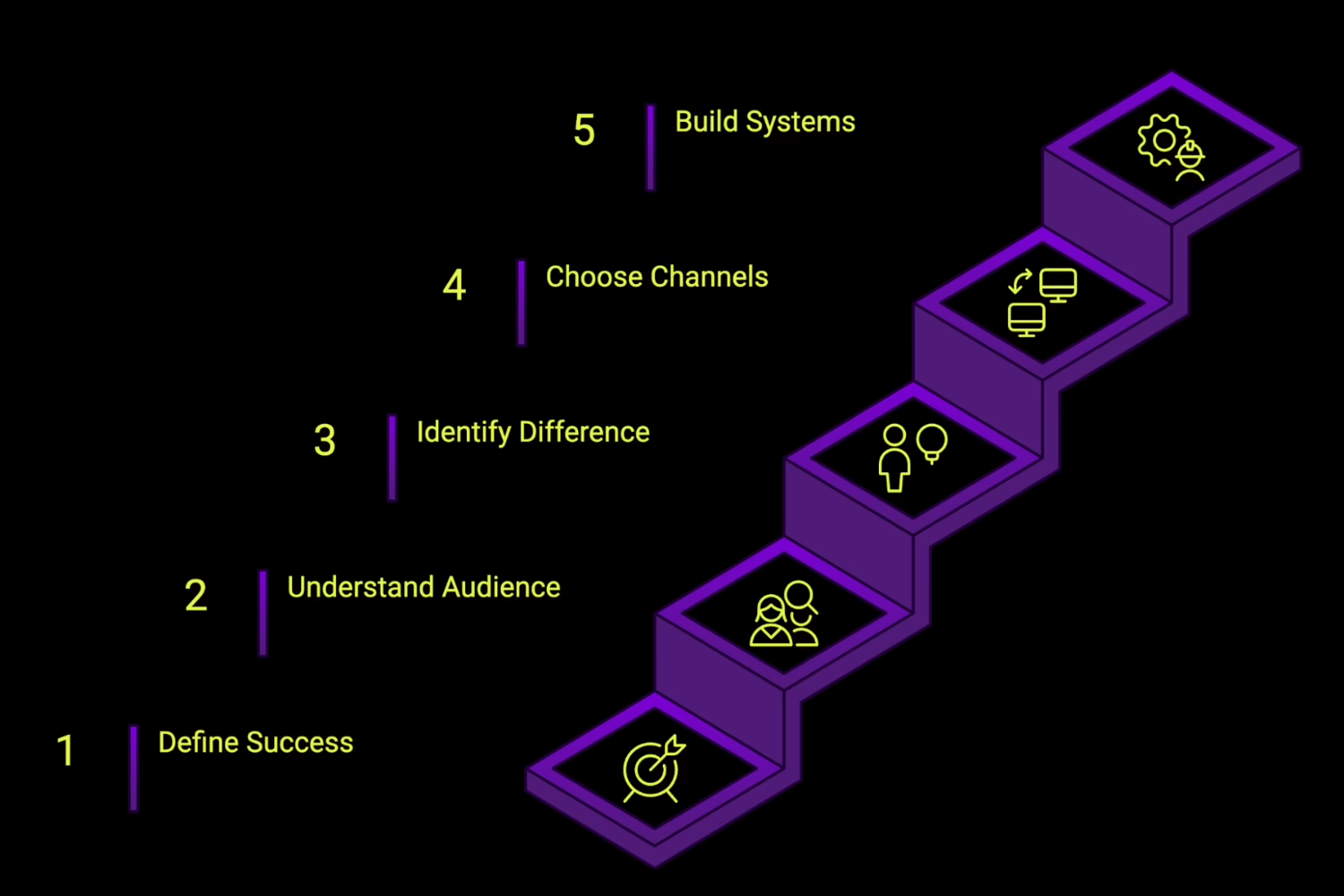
Too many projects jump straight to “Should we do TikTok?” without answering the questions that really matter. At theKOLLAB, we guide projects through a clear framework:
Step 1: Define Success
Know exactly what you want to achieve. Are you building awareness before a token launch, driving adoption for an existing protocol, or increasing total value locked? Set measurable goals. Instead of “get more users,” aim for “reach 10,000 wallet connections in 90 days.”
Step 2: Understand Your Audience
Different types of crypto users behave very differently. A DeFi trader has other priorities than an NFT collector. Study communities, survey users, and look at on-chain behavior. The clearer your understanding, the more your messaging will resonate.
Step 3: Identify Your Difference
Every project says it is “revolutionary,” but few really are. Ask what problem you truly solve and why someone should trust your project over alternatives. Avoid jargon. If you cannot explain your value to a skeptical friend, you need to refine your message.
Step 4: Choose the Right Channels
Not every platform matters at every stage. Focus where it counts:
- Pre-launch: Twitter/X for buzz, Discord for early community, content for SEO, PR for credibility
- Launch: Paid crypto ads, influencer campaigns, email sequences for waitlists
- Growth: SEO, community expansion, partnerships, referral programs
- Maturity: Data-driven optimization, thought leadership, strategic collaborations
Step 5: Build Systems, Not One-Off Campaigns
Short-term pushes create spikes that fade. Systems create lasting, compounding growth. This means content calendars, structured community management, analytics dashboards, and feedback loops that guide future decisions.