
Let’s start with the easiest option for most people: centralized exchanges. No technical knowledge required, customer support when you need it, and often no minimum staking amounts.
Quick Platform Comparison
Platform | Min. Stake | APY Range | Lock-up Options | Best For |
MEXC | None | 3%-25% | Flexible | Yield hunters, no-KYC |
Binance | Varies | 2%-15% | Both | All-in-one platform users |
Kraken | None | 3%-21% | Both | Security-focused stakers |
Coinbase | None | 2%-10% | Flexible | Beginners, U.S. investors |
MEXC
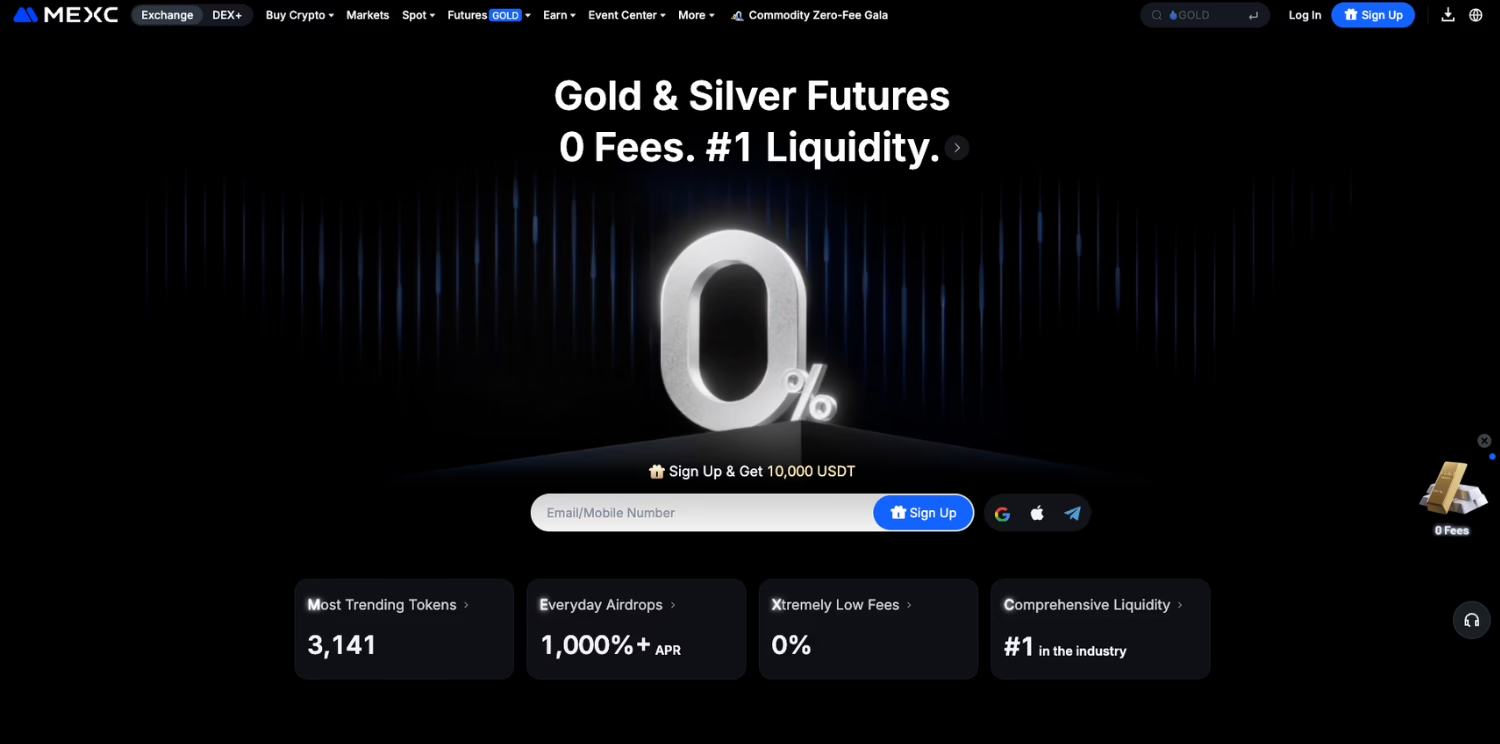
MEXC has more than 30 million users across 170 countries and supports over 1,500 cryptocurrencies.
One reason many users choose MEXC is its higher promotional yields. For example, USDT staking can offer up to 8.8% APY through flexible programs. During special campaigns, some tokens can offer even higher short-term returns.
Rewards are distributed daily and are automatically added to your balance. This means your earnings can compound without you doing anything.
For security, MEXC uses cold storage for most user funds, multi-signature wallets, and two-factor authentication.
Best for: Users who are looking for higher short-term yields and flexible staking options should go for MEXC.
Binance
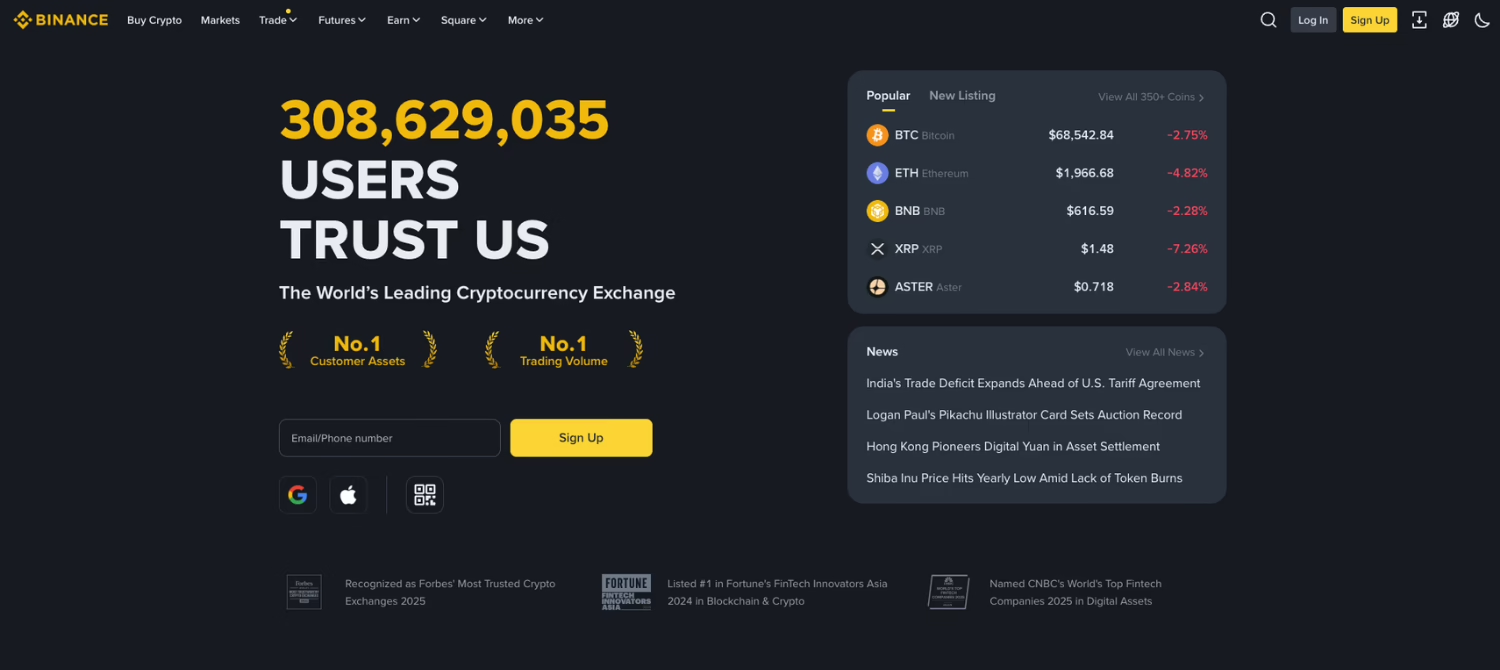
Binance supports more than 60 proof-of-stake coins. It is one of the largest staking providers and currently stakes over 3.2 million ETH, which represents about 9% of all staked Ethereum.
Binance Earn gives users two main choices:
- Flexible staking lets you withdraw your funds at any time.
- Locked staking offers higher rewards but requires you to keep your funds locked for a fixed period.
Because Binance supports many assets and products in one place, users can trade, stake, and manage their portfolio on a single platform.
Best for: If you want a wide asset selection and everything in one account, go for Binance.
Kraken
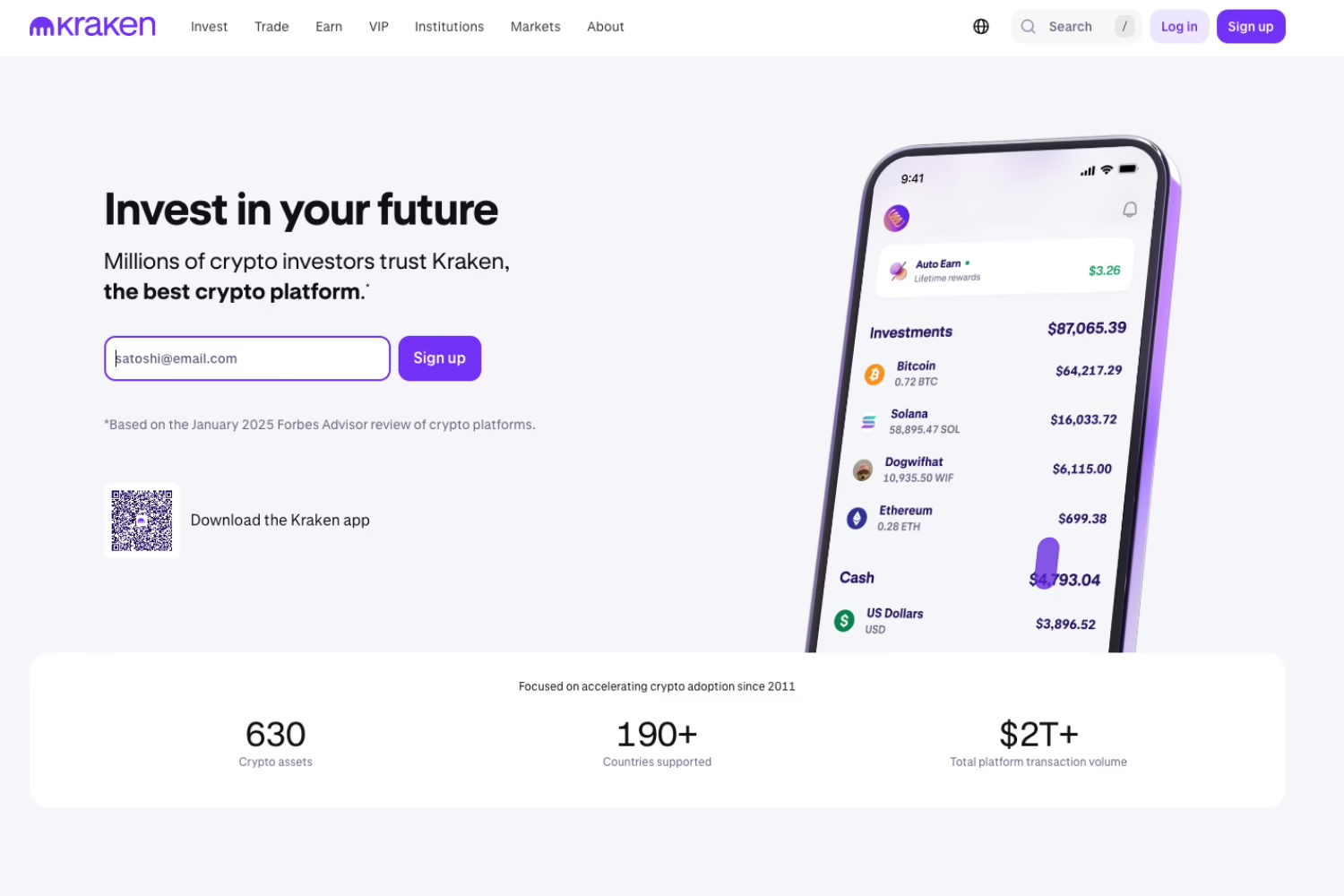
Kraken is known for reliability and clear fee structures. It offers on-chain staking for more than 20 blockchains, including Ethereum, Polkadot, and Cardano. Some assets offer higher APY rates, depending on network conditions.
Kraken’s Auto Earn feature automatically stakes supported assets in your account, so you do not need to activate each one manually. The platform shows real-time APY rates and clearly explains its commission fees.
Kraken offers two options:
- Bonded staking gives higher rewards but requires a lock-up period.
- Flexible staking allows you to unstake at any time, but rewards may be slightly lower.
Best for: Users who care about strong security practices and transparent fees.
Coinbase
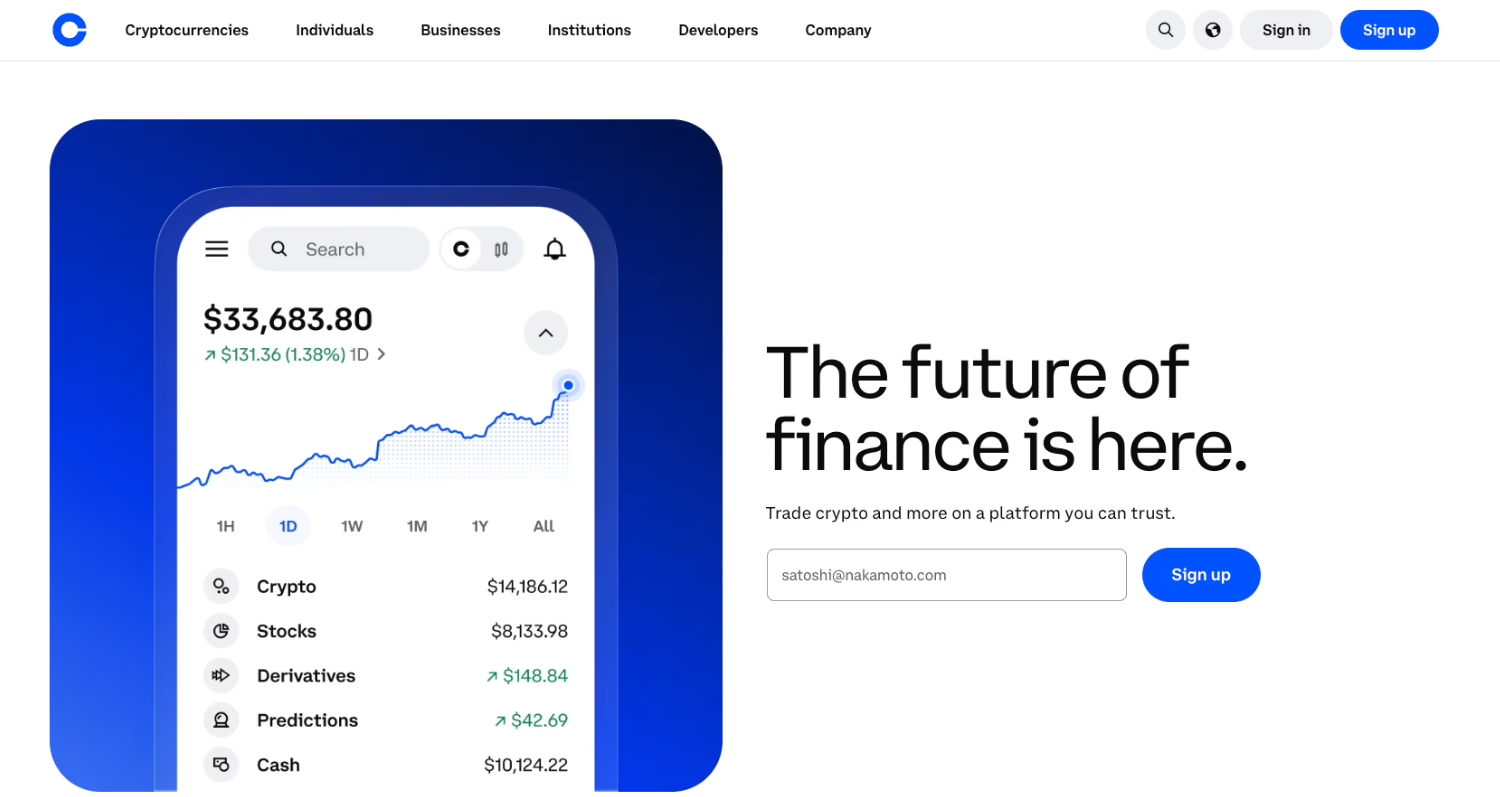
Coinbase is designed to be easy to use. The staking process is simple and clear, even for someone new to crypto. The platform currently manages over 1.8 million ETH in staking.
Staking rewards on Coinbase are usually lower than those of some competitors. However, many users choose it for its simple interface and strong regulatory positioning, especially in the United States.
Best for: Beginners and users who prefer a highly regulated and easy-to-use platform.
Liquid staking changed everything. Over $86.4 billion is locked across liquid staking protocols, with $44.8 billion on Ethereum alone. So why has it gotten so popular lately? You stake your assets but receive a tradeable token representing your stake. Use it in DeFi, trade it, or just hold it while earning rewards.
Lido Finance
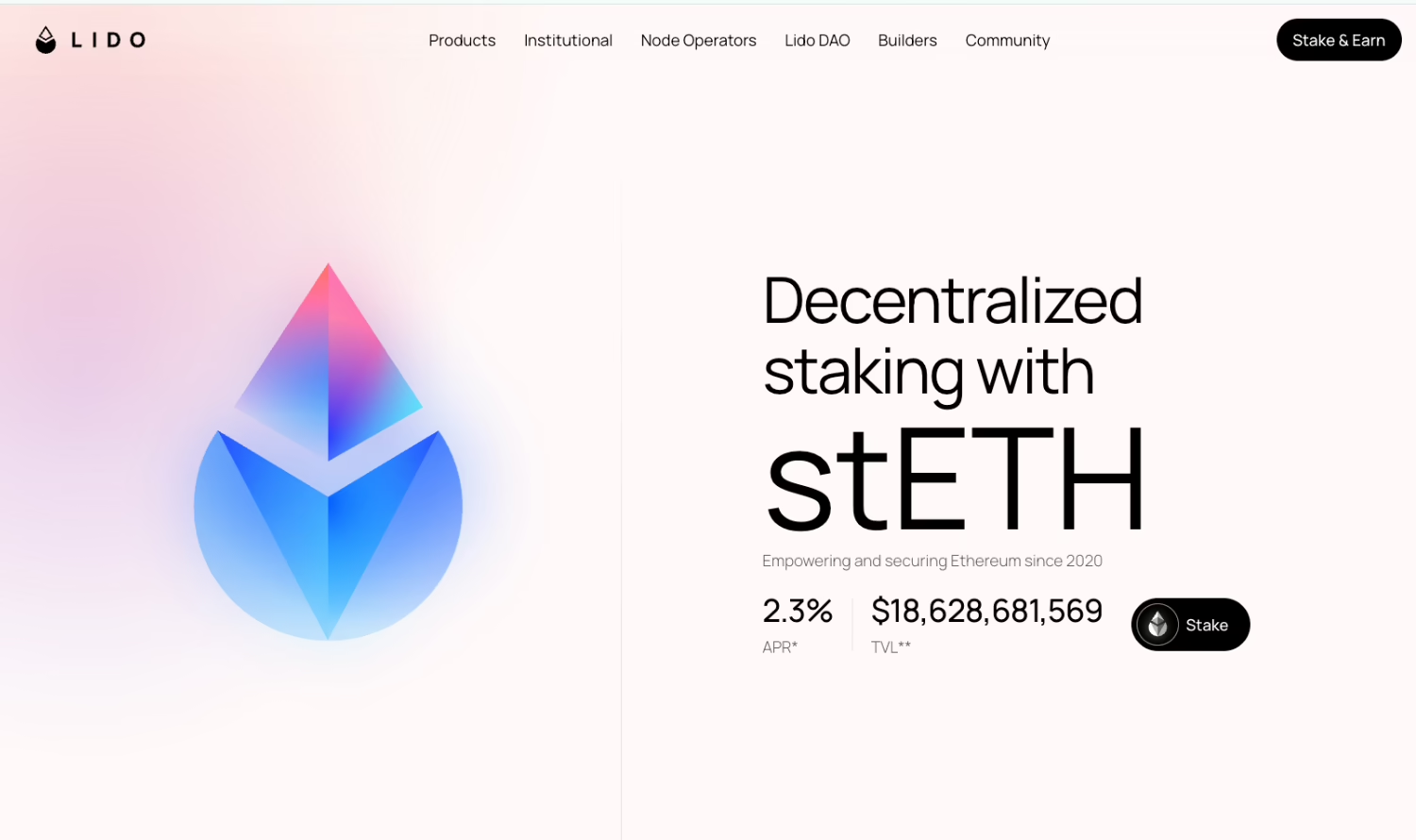
Lido is the largest liquid staking protocol. It currently holds more than 8.7 million ETH, which gives it around 24% of the Ethereum staking market.
When you stake ETH with Lido, you receive stETH. This token can be used across DeFi platforms like Aave, Curve, and Uniswap. You keep earning staking rewards while using stETH in other strategies. There is no minimum staking requirement, which makes it easy for beginners.
Lido’s average ETH staking return is around 3% per year, depending on network conditions. The protocol is also expanding its products, aiming to serve both retail and institutional users.
Best for: Lido is great for users who want strong liquidity and deep DeFi integration.
Rocket Pool
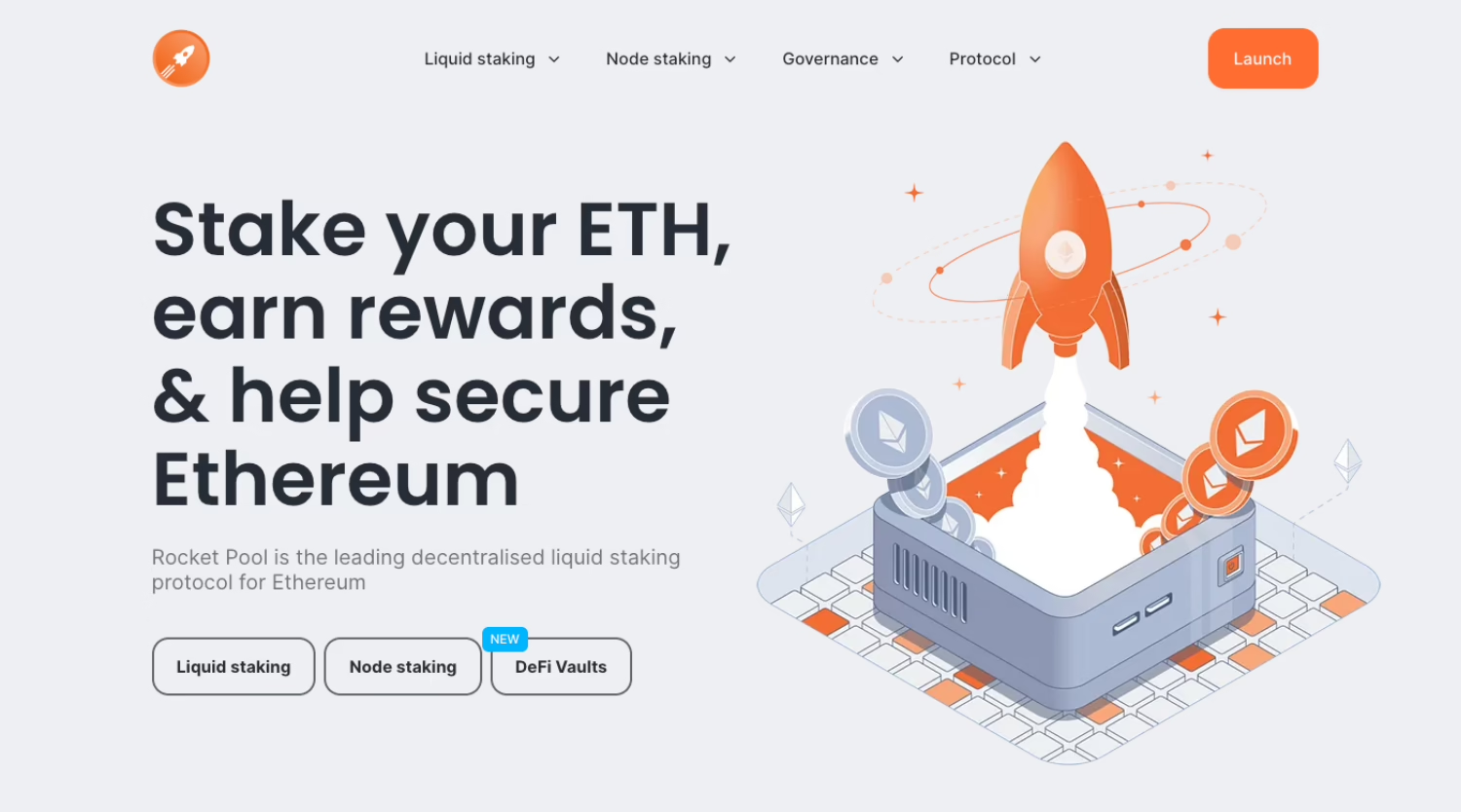
Rocket Pool takes a more decentralized approach. Instead of relying on a small number of large validators, it allows many independent node operators to participate. This helps distribute control across the network.
The protocol has over 666,000 ETH staked and thousands of node operators worldwide. Users who stake receive rETH, a liquid staking token that works with major DeFi platforms.
Returns are slightly lower than some competitors’, but many users choose Rocket Pool because it supports decentralization and operates in a non-custodial way.
Best for: For users who value decentralization and community-driven governance, Rocket Pool is a standard choice.
StakeWise

StakeWise is a liquid staking protocol focused on Ethereum. It allows users to stake ETH and receive a liquid token in return, which can be used in DeFi while still earning staking rewards. The platform is known for transparent fee structures, clear reward distribution, and regular third-party security audits.
StakeWise separates staking rewards and principal into different tokens, which gives users more flexibility and clearer tracking of returns. This structure can be useful for users who want better control over how rewards are managed or reinvested.
Best for: Users who want a simple Ethereum liquid staking option with transparent fees and a strong focus on security are likely to choose StakeWise.
Some investors are staking thousands of dollars. Others are staking millions. Large funds, exchanges, and asset managers need more than high yields. They need strong security, compliance, reporting tools, and clear internal controls. Now we’ll take a look at the top institutional solutions that are built to handle large amounts of capital.
Fireblocks
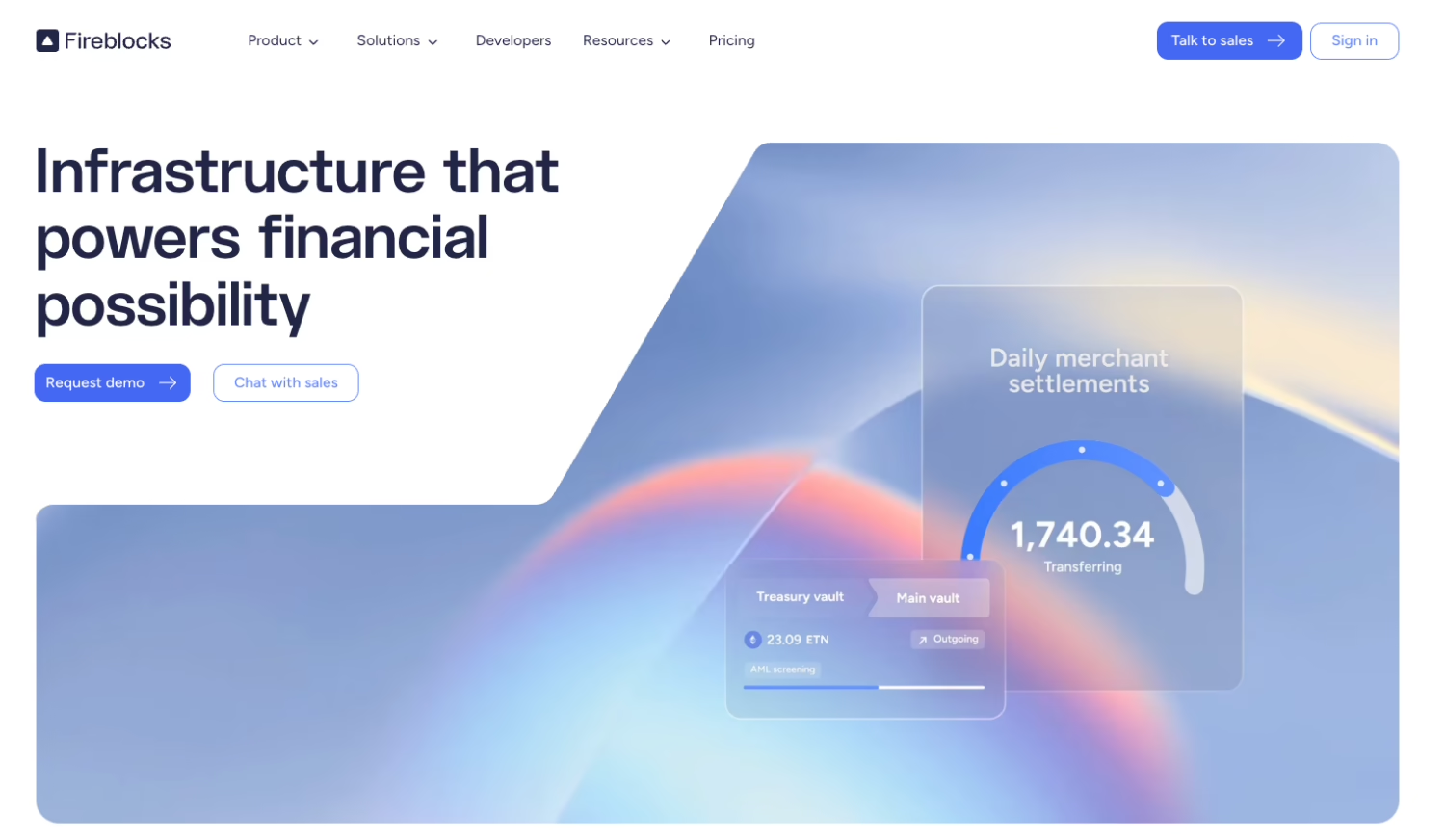
Fireblocks combines custody, governance, validator access, and automation in one system. It uses multi-party computation technology, which means no single person can control private keys alone. This reduces internal and external security risks.
Institutions can manage staking through a dashboard or connect directly through APIs. This makes it easier to automate staking operations while keeping strict security rules in place.
Best for: Institutions that already use professional custody solutions and want secure staking choose Fireblocks.
Figment
Figment runs one of the largest institutional staking operations, with around 1.48 million ETH under management. They provide staking infrastructure across many proof-of-stake networks and focus on reliability and uptime.
The company works closely with asset managers, custodians, and exchanges that require structured reporting and strong compliance standards. Figment also offers API access and integration support for institutions that want staking built directly into their systems.
Best for: Institutional investors and asset managers who need reliable infrastructure and reporting tools will probably choose Figment
Everstake
Everstake manages more than 2 billion dollars in staked assets. They operate validator nodes for over 20 networks and offer competitive annual returns depending on the asset. Their services are designed for funds, exchanges, and high-net-worth investors that need professional validator support. Everstake places a strong focus on network performance, security practices, and global validator distribution to reduce operational risk.
Best for: Everstake is a great choice for funds and exchanges that are looking for experienced validator operators with multi-network coverage.
Grayscale

Traditional finance has now entered staking.
Grayscale launched an Ethereum staking ETF that began distributing rewards in early 2026. This allows investors to gain staking exposure without directly managing crypto wallets or validators.
21Shares and VanEck also offer products that include staking rewards within regulated investment structures. These products automatically reinvest rewards and follow compliance standards required by traditional markets.
Best for: If you want staking exposure through regulated financial products instead of direct token staking, you should opt for EFT staking tools.