Now, let’s look at on-chain analytics platforms and why they matter. On-chain analytics focuses on data recorded directly on the blockchain. Instead of relying on opinions or social media noise, it shows how wallets move funds, how protocols are used, and where capital actually flows. These tools are mainly used for market research, trend analysis, and tracking large player behaviour.
Nansen
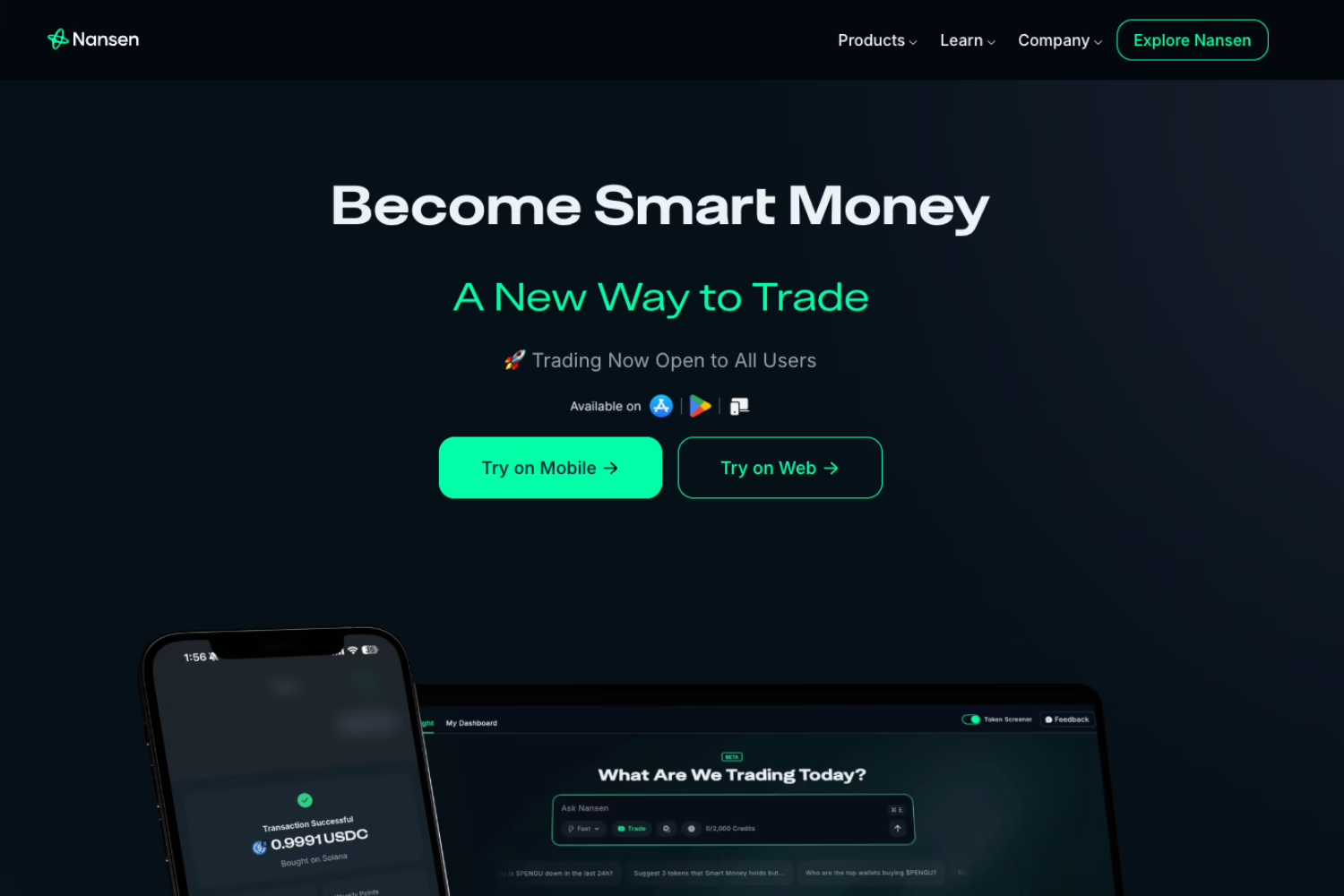
Nansen focuses on tracking and labeling blockchain wallets. It helps users see how large holders, funds, and active traders move assets across chains and protocols. This makes it easier to spot accumulation, exits, and changes in behavior before they become obvious in price charts.
The platform is often used by teams and advanced users who want to follow capital movement rather than short-term price action. Nansen is especially useful for analyzing DeFi activity, token launches, and wallet behavior across multiple blockchains.
Dune Analytics

Dune Analytics allows users to query blockchain data directly and turn it into dashboards and charts. Instead of pre-made metrics, users can build their own views of the data using SQL-based queries or community dashboards.
This platform is popular with analysts, researchers, and developers who want full control over what they track. It is commonly used to monitor protocol usage, user activity, NFT behavior, and on-chain trends that are not visible through standard charts.
Glassnode
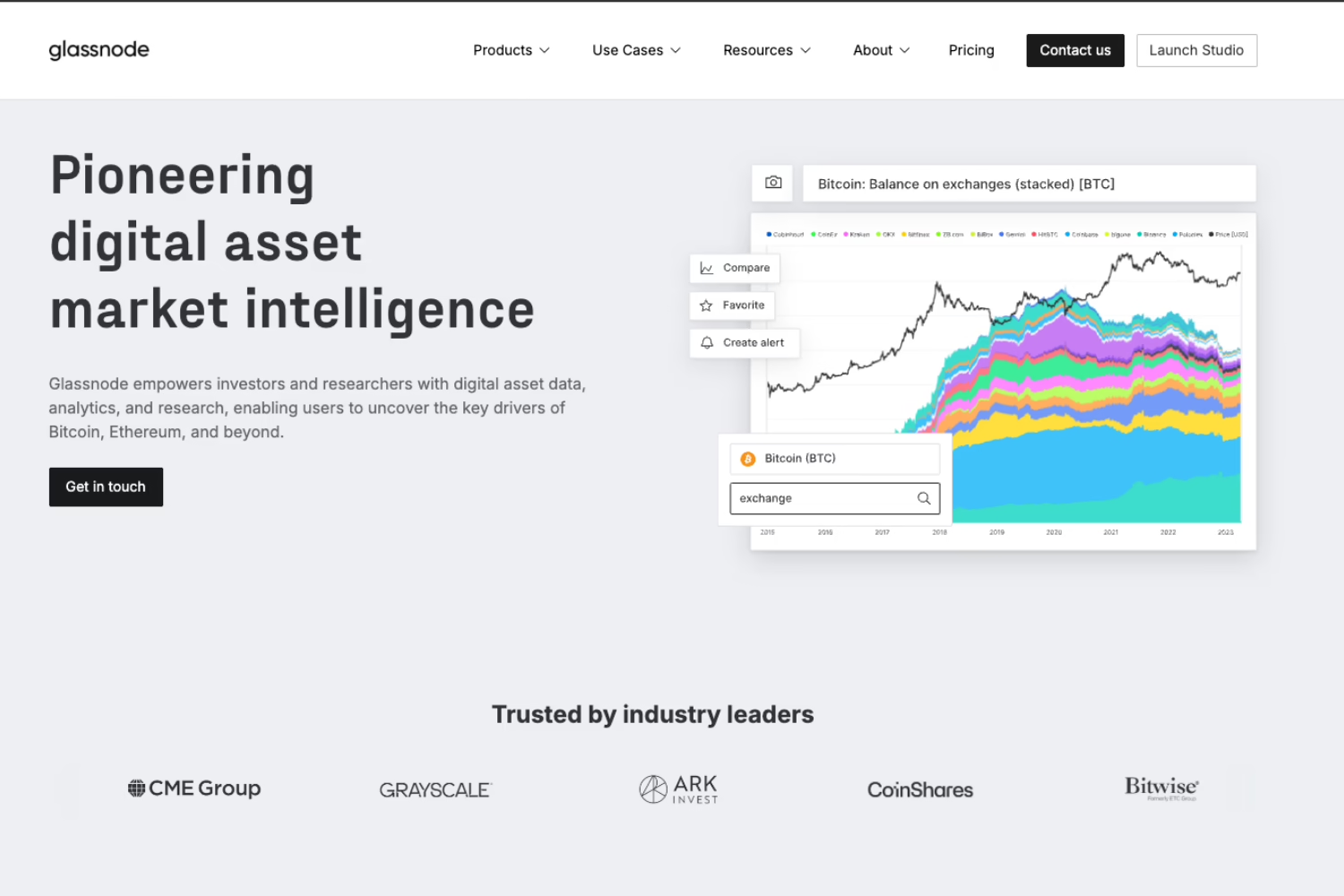
Glassnode focuses on long-term and macro-level on-chain indicators. It helps users understand broader market cycles by analyzing data such as holder behavior, profit and loss levels, and supply movement.
This platform is often used by investors who look at longer timeframes rather than short-term trades. Glassnode’s data is useful for identifying periods of accumulation, distribution, and overall market sentiment based on actual blockchain activity.
DeFiLlama
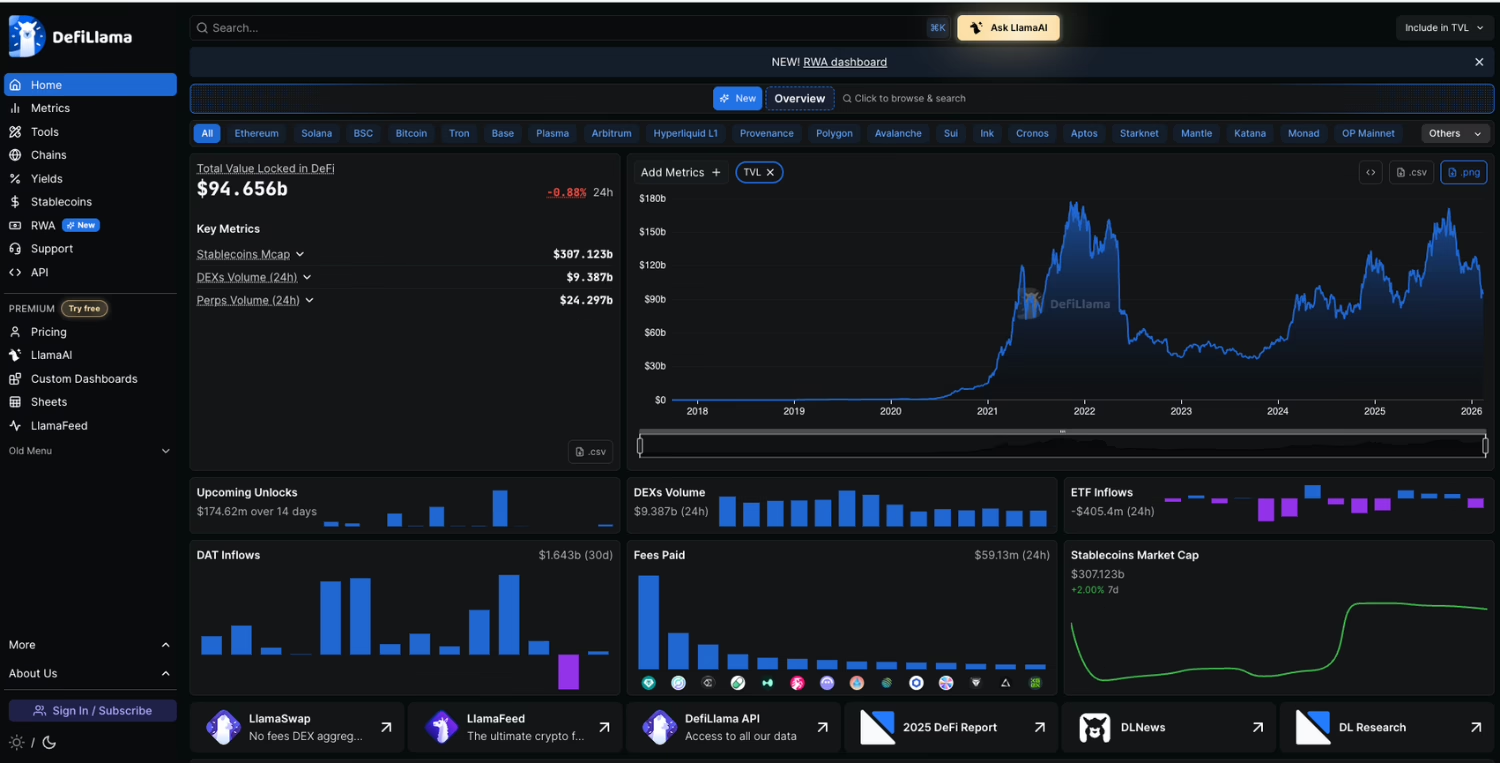
DeFiLlama tracks total value locked across DeFi protocols and blockchains. It shows where capital is currently placed and how it moves as incentives, yields, and networks change.
The platform is free to use and widely trusted as a neutral data source. It is especially helpful for comparing chains, spotting growth trends, and understanding which protocols attract or lose capital over time.
Arkham Intelligence
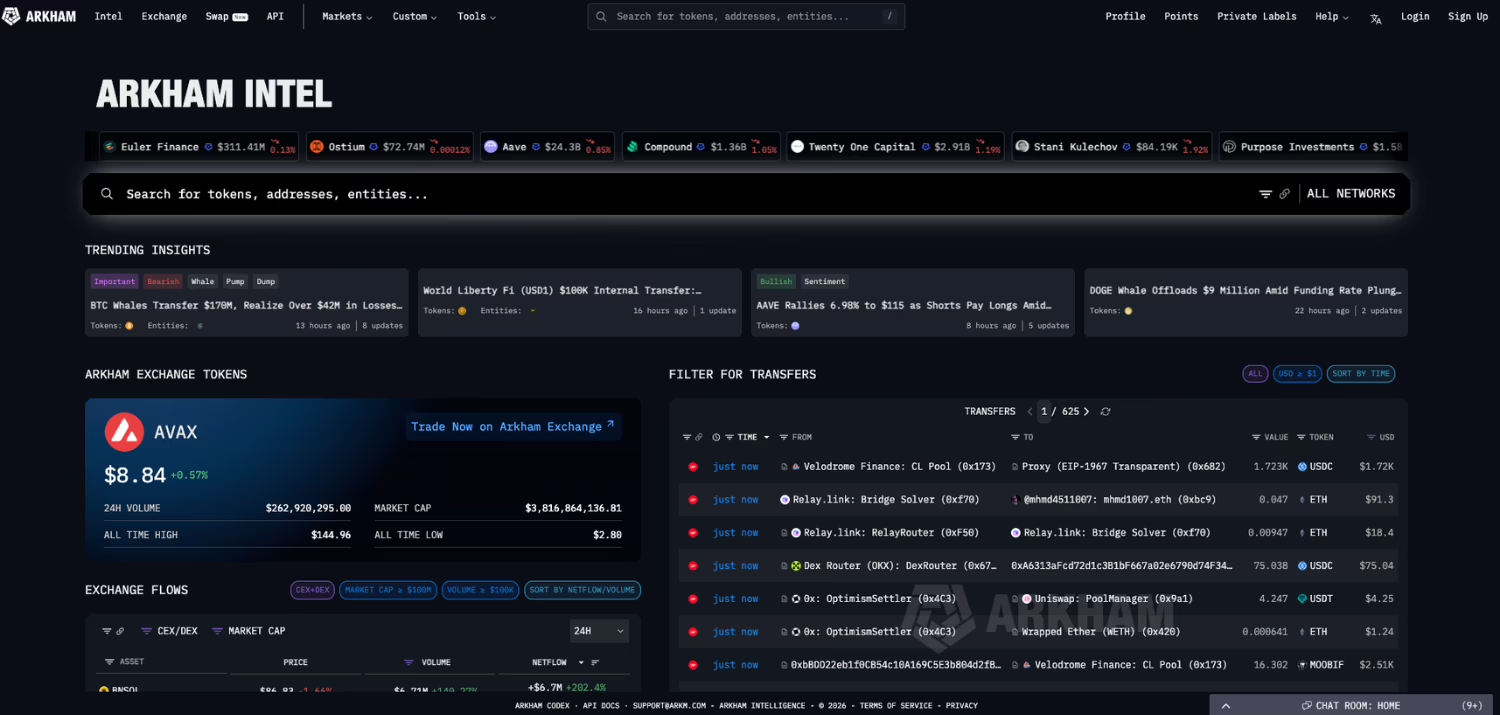
Arkham Intelligence focuses on linking blockchain addresses to real-world entities and tracking how funds move between them. It helps users understand who is behind certain wallets and how capital flows between exchanges, funds, and protocols.
This makes Arkham useful for investigating large transactions, monitoring market events, and adding more context to on-chain activity beyond raw numbers.
Trading bots are tools that follow rules set by the user. They place trades automatically, manage position size, and react to price movement without emotion. Bots don’t guarantee profit, but they help traders execute strategies in a consistent and controlled way.
Different bots work well in different market conditions. Some are created for sideways markets, others focus on long-term accumulation, and some try to capture small price differences between exchanges. Choosing the right one matters more than choosing a complex strategy.
3Commas
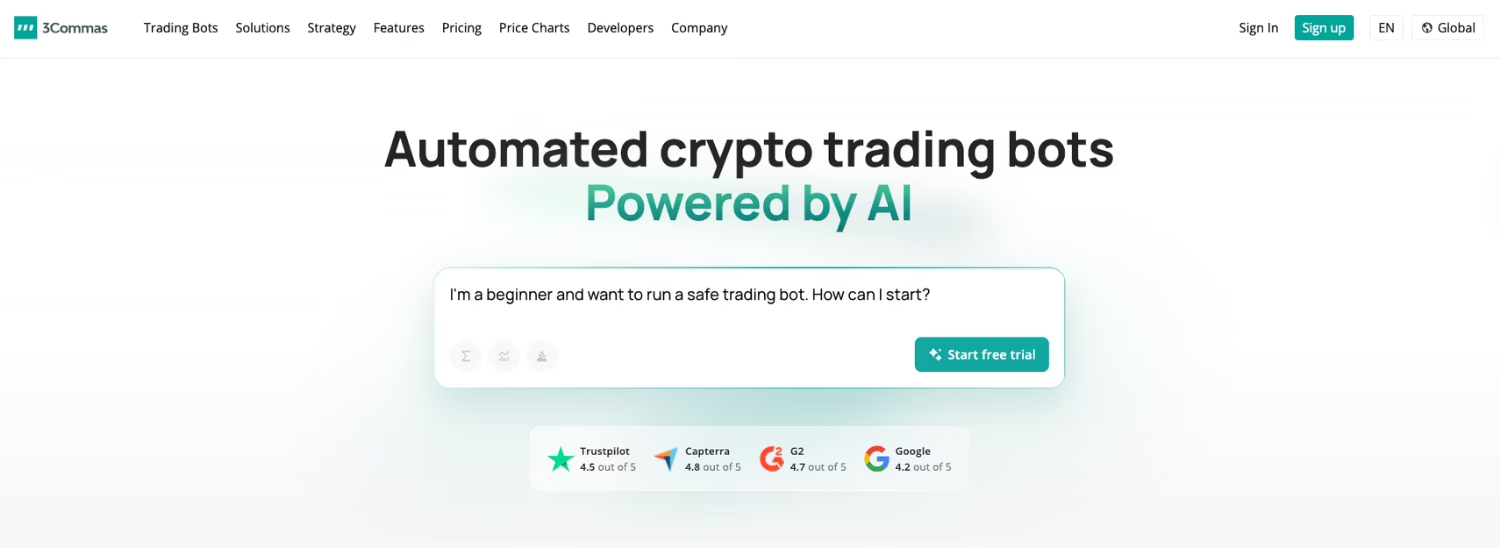
3Commas is known for its simple interface and broad exchange support. It allows users to run grid and DCA bots without deep technical knowledge. This platform is often chosen by traders who want automation without spending a lot of time on setup. It also offers clear risk controls and performance tracking, which helps users understand how their bots behave over time.
Pionex
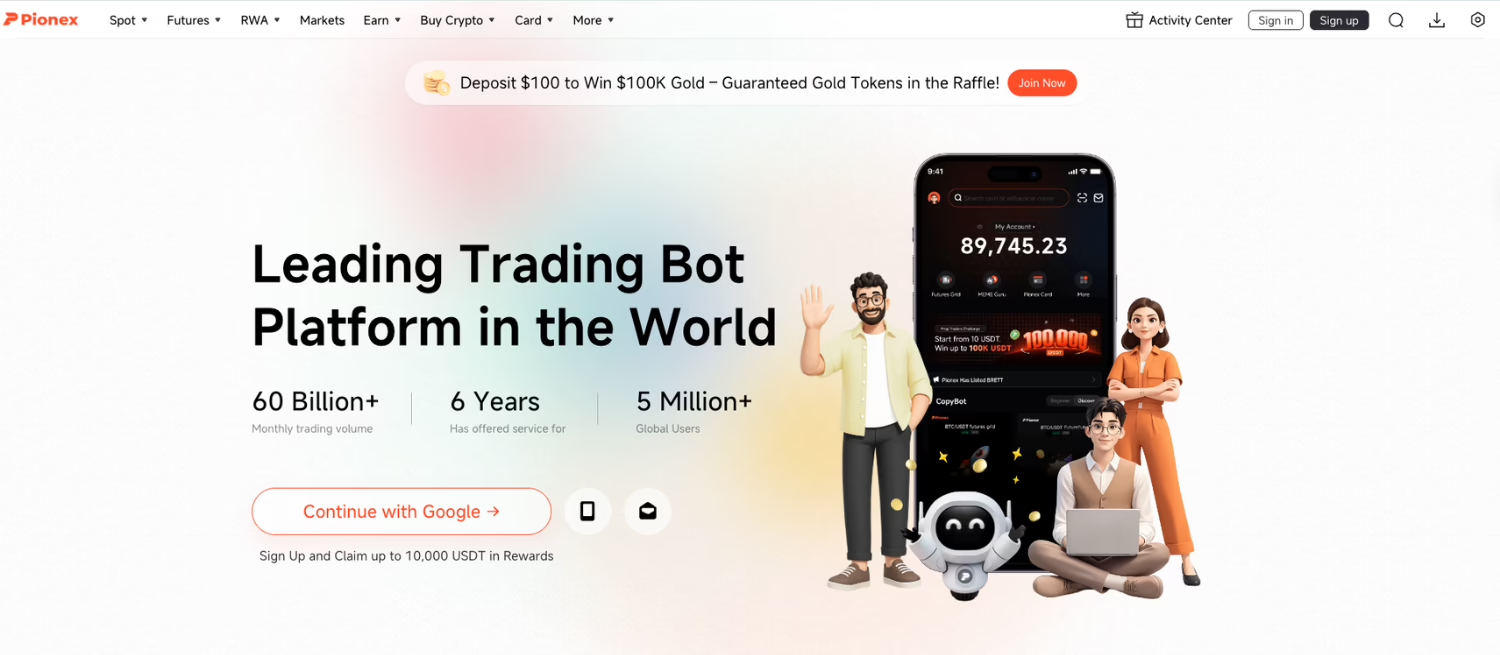
Pionex offers built-in trading bots that run directly on the exchange. Users do not need API connections or external tools. Its grid and arbitrage bots are commonly used by beginners because the setup process is simple and the platform handles execution internally. This reduces technical risks and makes it easier to start using bots with smaller amounts of capital.
Cryptohopper
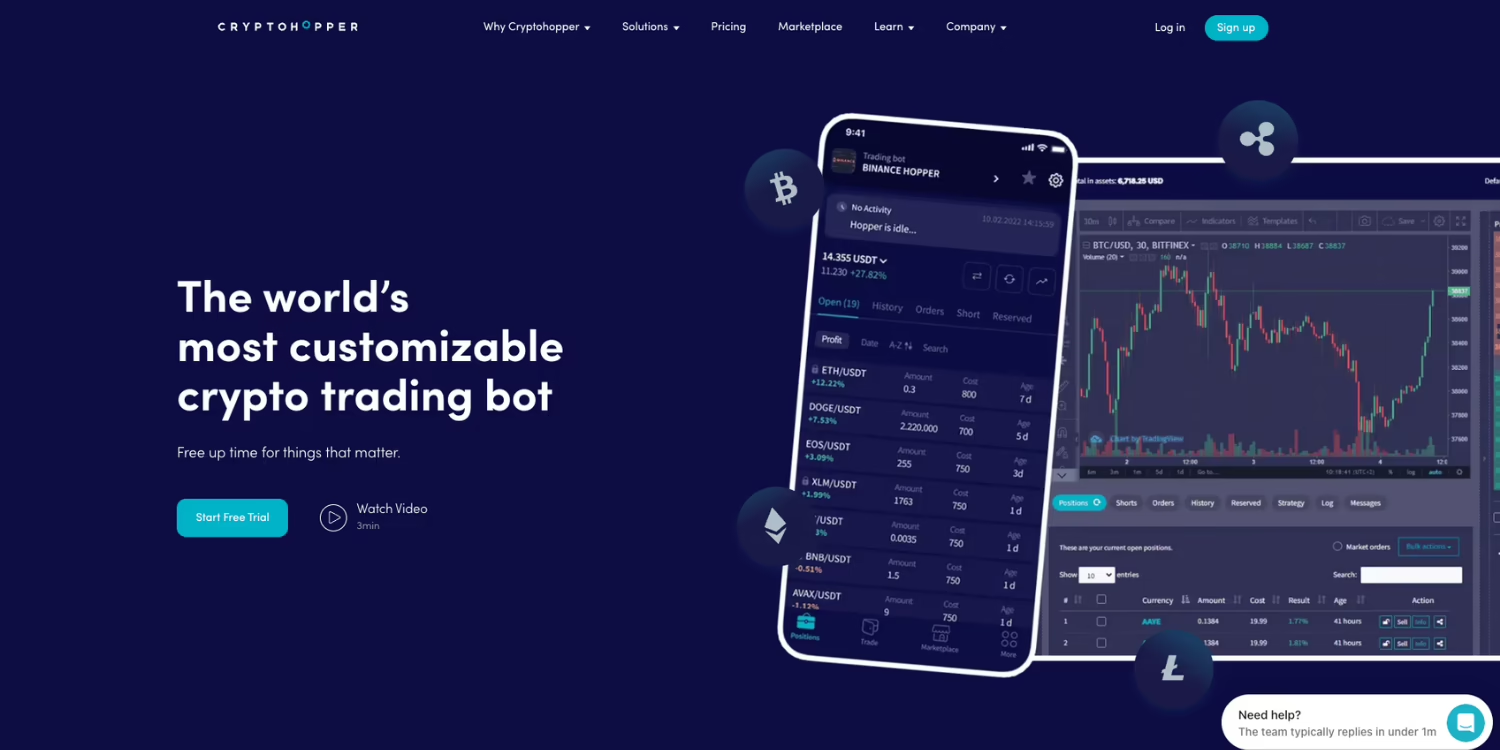
Cryptohopper focuses on strategy sharing and automation. Users can create their own bots or copy strategies shared by others. This makes it popular with traders who want to experiment with different approaches or learn from community-driven strategies. The platform also supports paper trading, which allows users to test bots without risking real funds.
HaasOnline
HaasOnline is made for advanced users. It offers deep customization, scripting options, and extensive backtesting. This platform is better suited for experienced traders who want full control over strategy logic and risk management. Because of its complexity, it is usually used by professionals or technically skilled traders rather than beginners.
Bitsgap
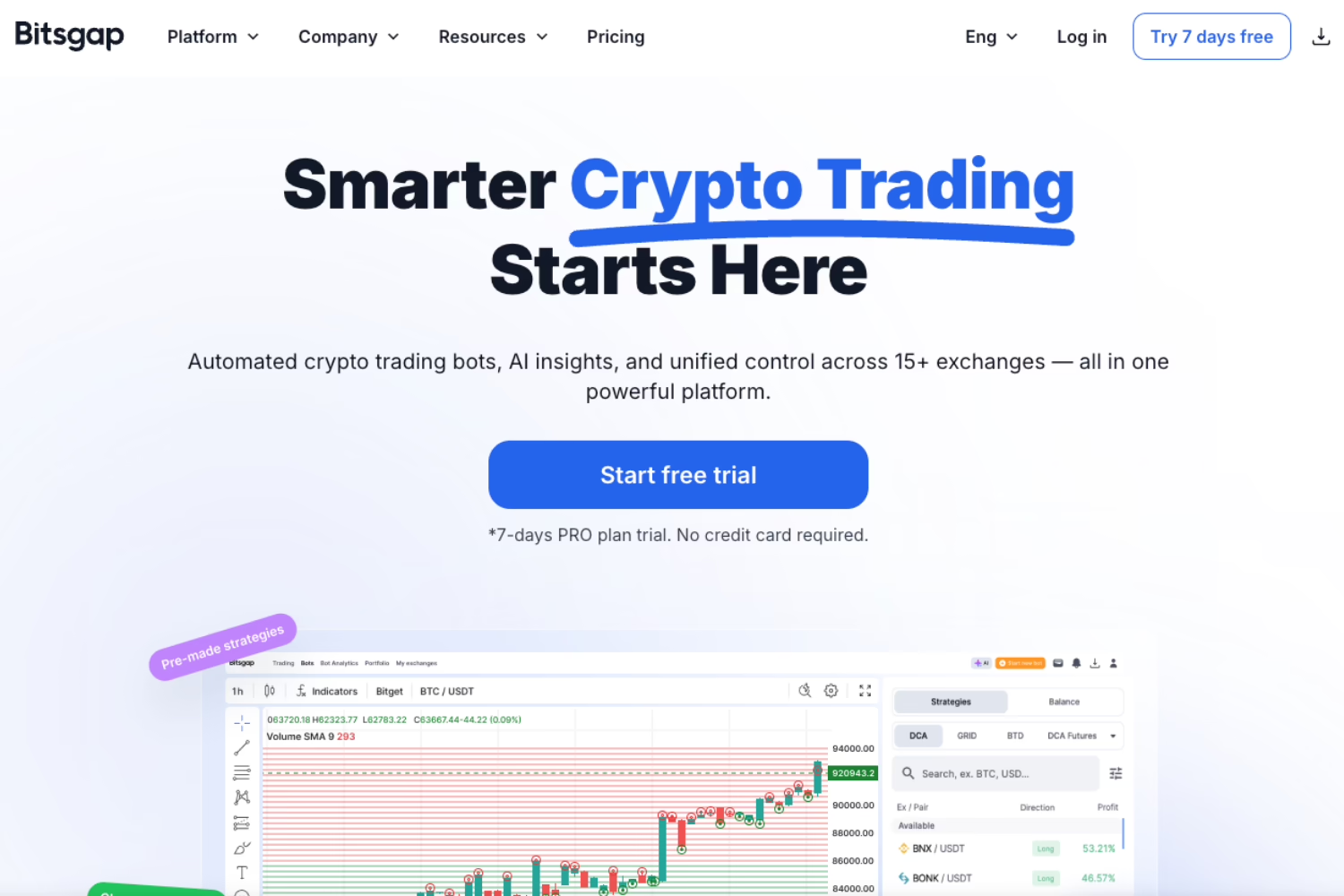
Bitsgap is a trading bot and portfolio management platform that works across multiple exchanges from one dashboard. It is best known for its grid and DCA bots, which are designed to be easy to set up and monitor. Bitsgap also includes built-in charting and performance tracking, making it useful for traders who want automation and oversight in a single tool.
Managing a crypto portfolio becomes difficult as soon as you use more than one exchange or wallet. Trades, transfers, staking rewards, and DeFi activity can quickly add up, making it hard to understand your true balance and prepare accurate tax reports. Portfolio tracking tools help by collecting all activity in one place and keeping records up to date.
These tools are not only useful during tax season. They help users see performance over time, track gains and losses, and reduce the risk of missing transactions that can cause problems later.
Koinly
Koinly connects with a wide range of exchanges, wallets, and blockchains to track crypto activity automatically. It focuses strongly on tax reporting and helps identify missing or incorrect transaction data before reports are generated. This makes it useful for users with complex portfolios or activity across many platforms.
Koinly supports tax rules in multiple countries, which makes it a common choice for international users who need accurate and region-specific reports.
CoinLedger
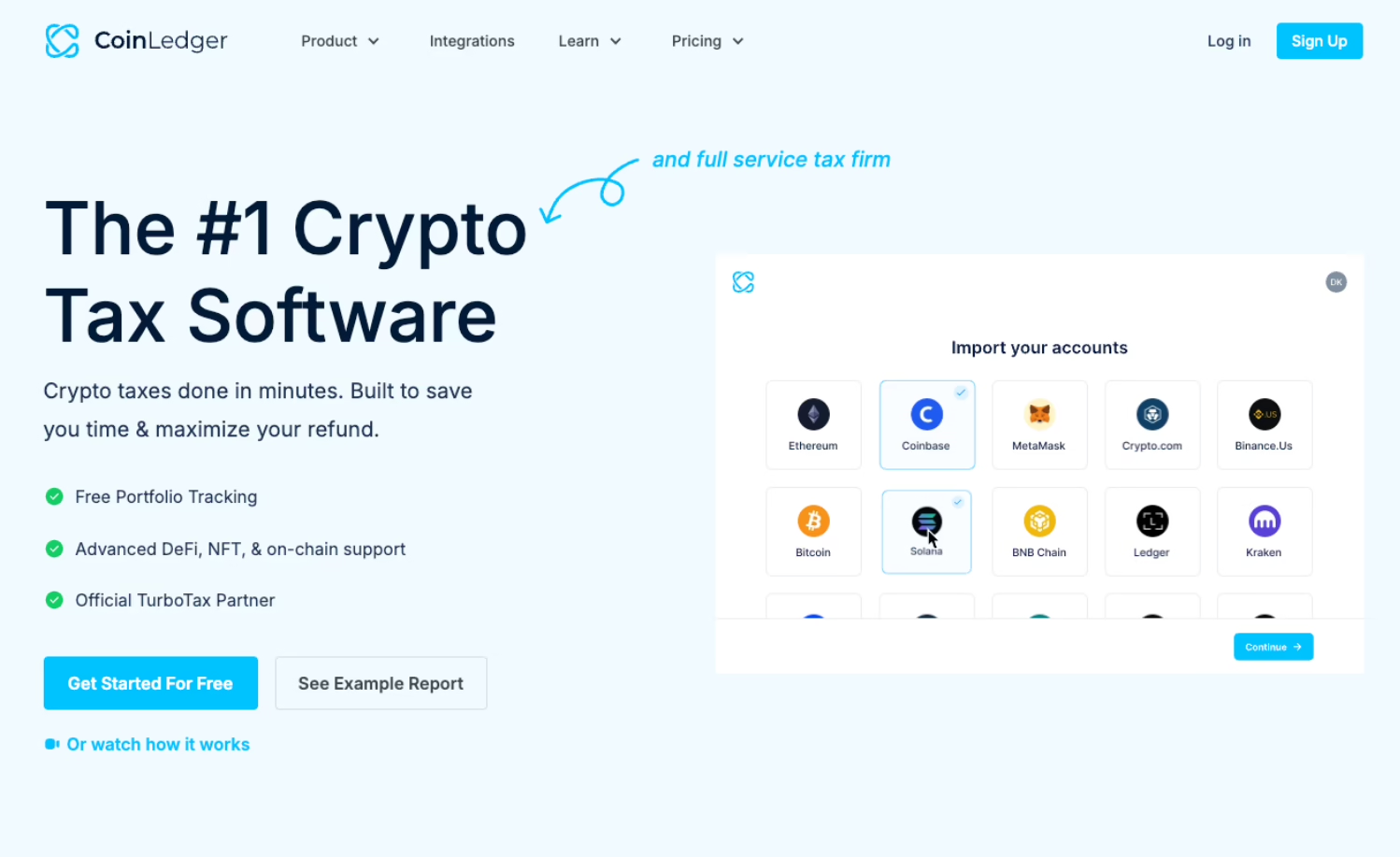
CoinLedger is designed with tax reporting in mind and integrates directly with common tax software. It is often used by users who want a straightforward way to turn crypto activity into tax-ready documents without manual work.
The platform is especially popular with users based in the United States, where its tax workflows and reporting formats closely match local requirements.
CoinTracker

CoinTracker focuses on simplicity and ease of use. Its interface is clean and easy to navigate, making it suitable for users who want clear portfolio overviews without dealing with complex settings.
It is commonly used by long-term holders who want to track balances, performance, and tax information from both desktop and mobile devices.
CoinTracking
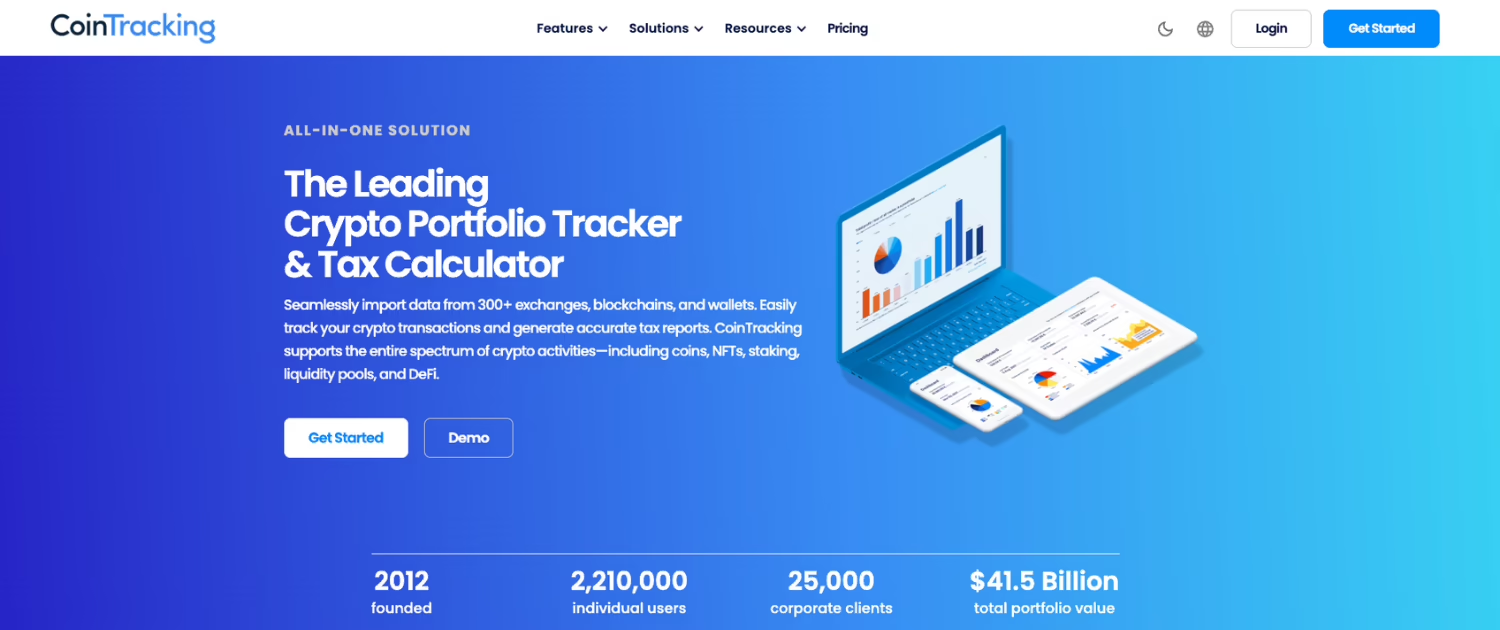
CoinTracking offers detailed tracking for advanced crypto activity, including DeFi, NFTs, staking rewards, and liquidity pools. It provides deep reporting tools that help users understand gains, losses, and income across many types of transactions.
This platform is often chosen by experienced users with large transaction histories who need detailed breakdowns rather than a simplified overview.
Accointing
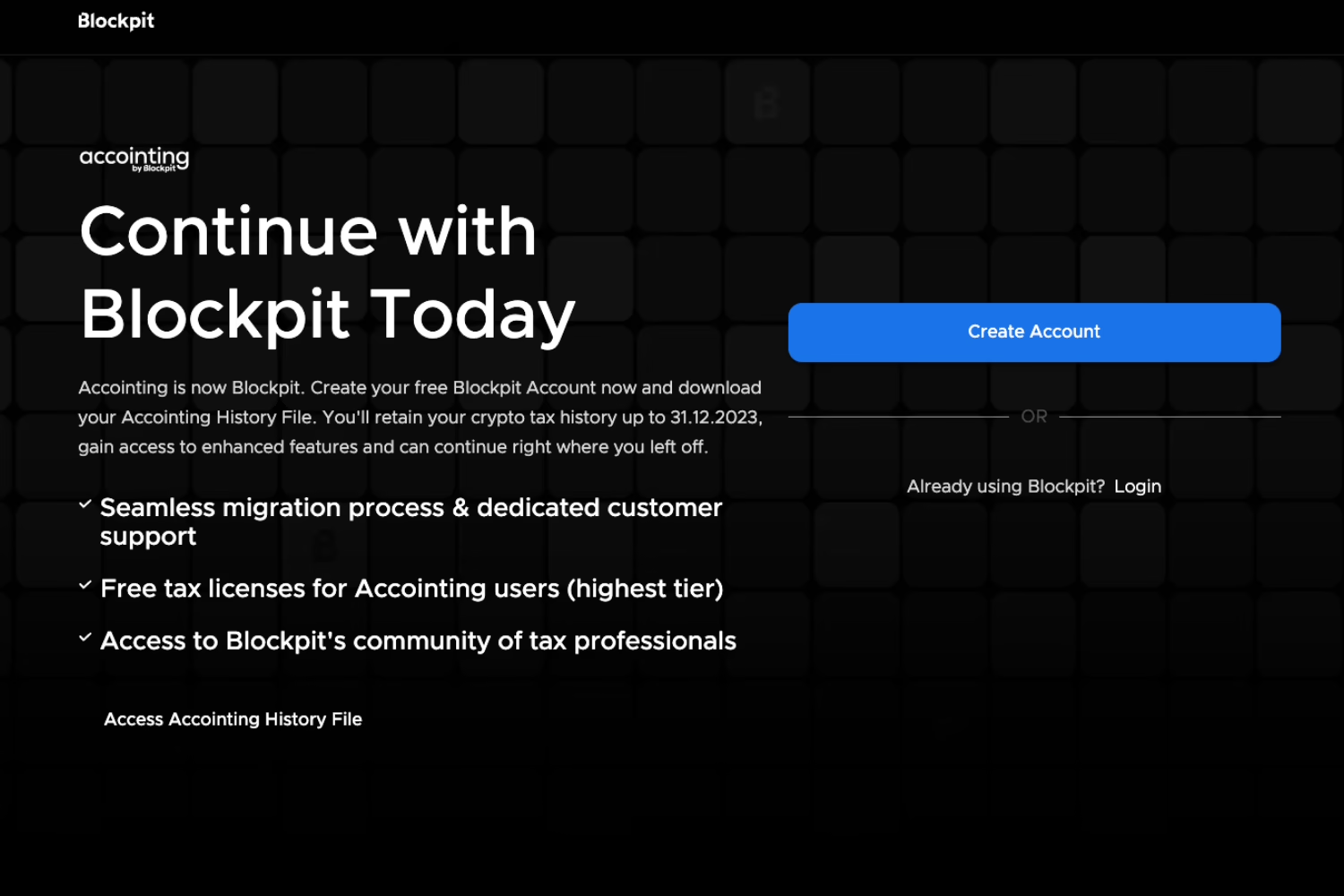
Accointing is a crypto portfolio tracker that focuses on clear performance tracking and tax reporting. It allows users to connect exchanges and wallets to see balances, gains, and losses in one place.
The platform is often chosen by users who want a clean interface and straightforward reports without advanced or overly complex features.
Derivatives data helps traders understand how the market is positioned, not just where the price is now. Metrics like funding rates, open interest, and liquidations show whether traders are heavily long or short and where risk is building.
This type of data is often used to spot crowded trades, potential squeezes, and moments when the price may move sharply due to forced liquidations rather than new demand.
CoinGlass
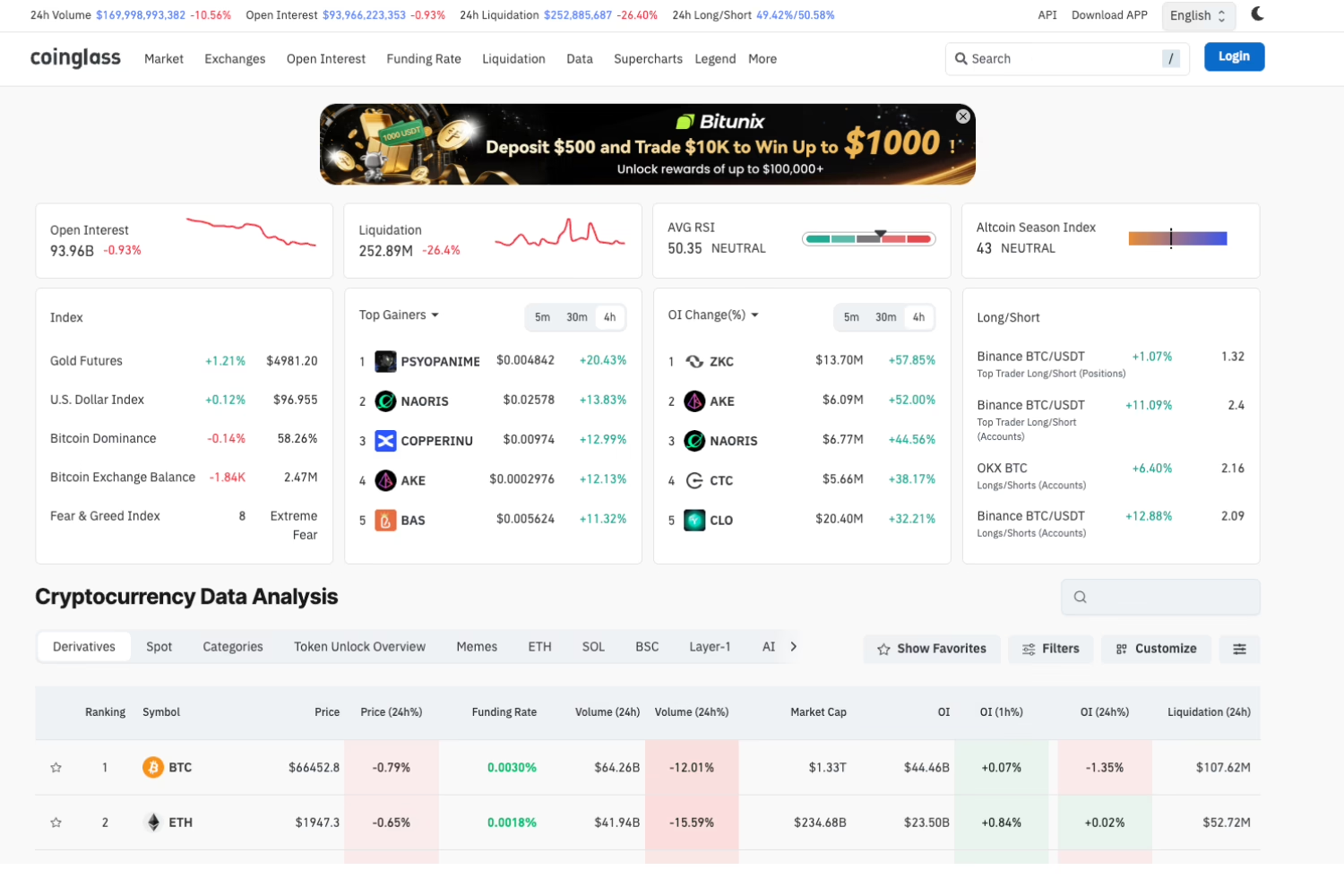
CoinGlass focuses on derivatives data across major crypto exchanges. It tracks funding rates, open interest, and liquidation levels in real time, helping traders see where leverage is building up.
The platform is commonly used to identify situations where too many traders are positioned on one side of the market, which can increase the chance of sudden price moves.
Laevitas
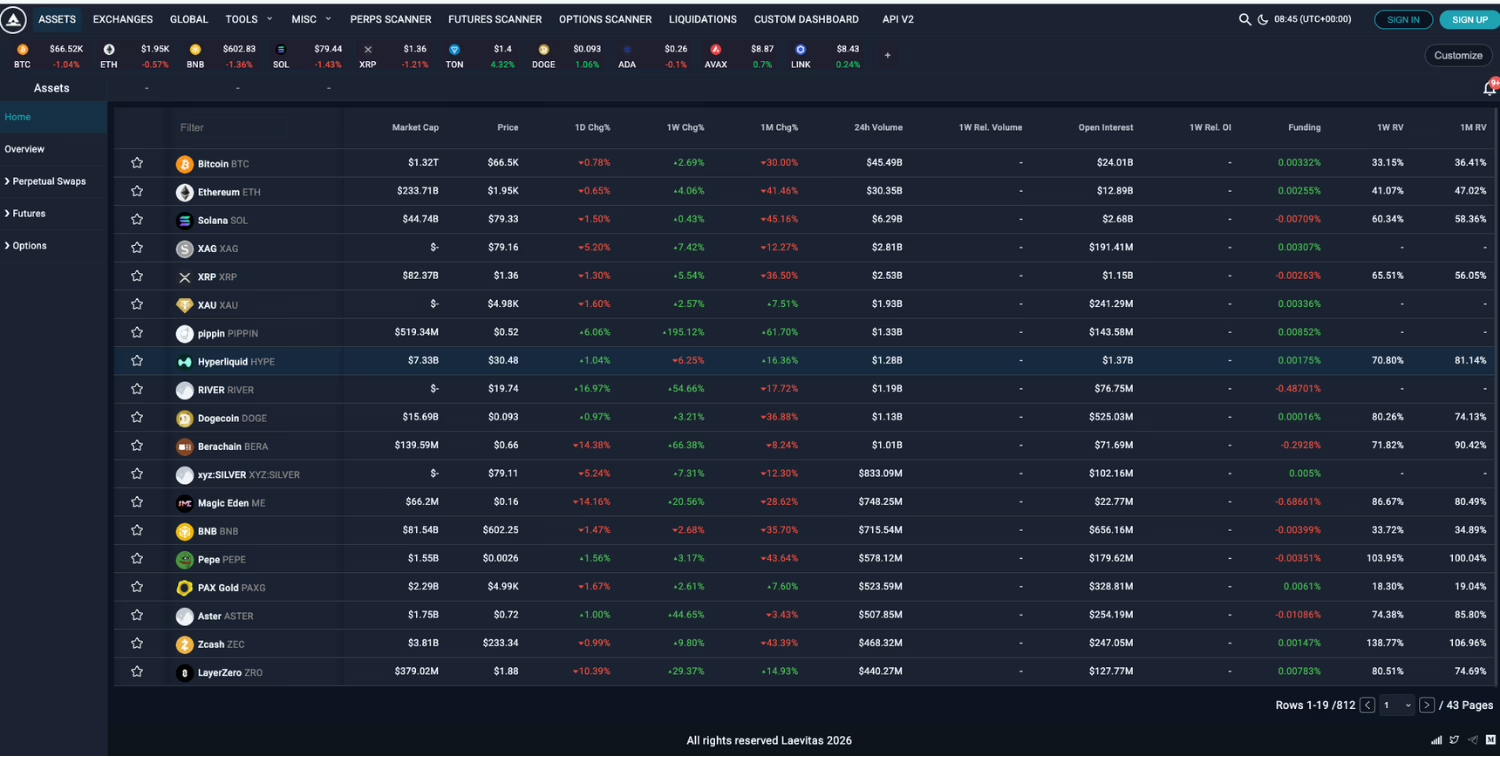
Laevitas specializes in advanced derivatives data, including options, futures, and volatility metrics. It is often used by experienced traders who want deeper insight into market expectations and risk.
This platform is useful for understanding how traders price future moves and how sentiment shifts across different timeframes and instruments.
CoinGecko
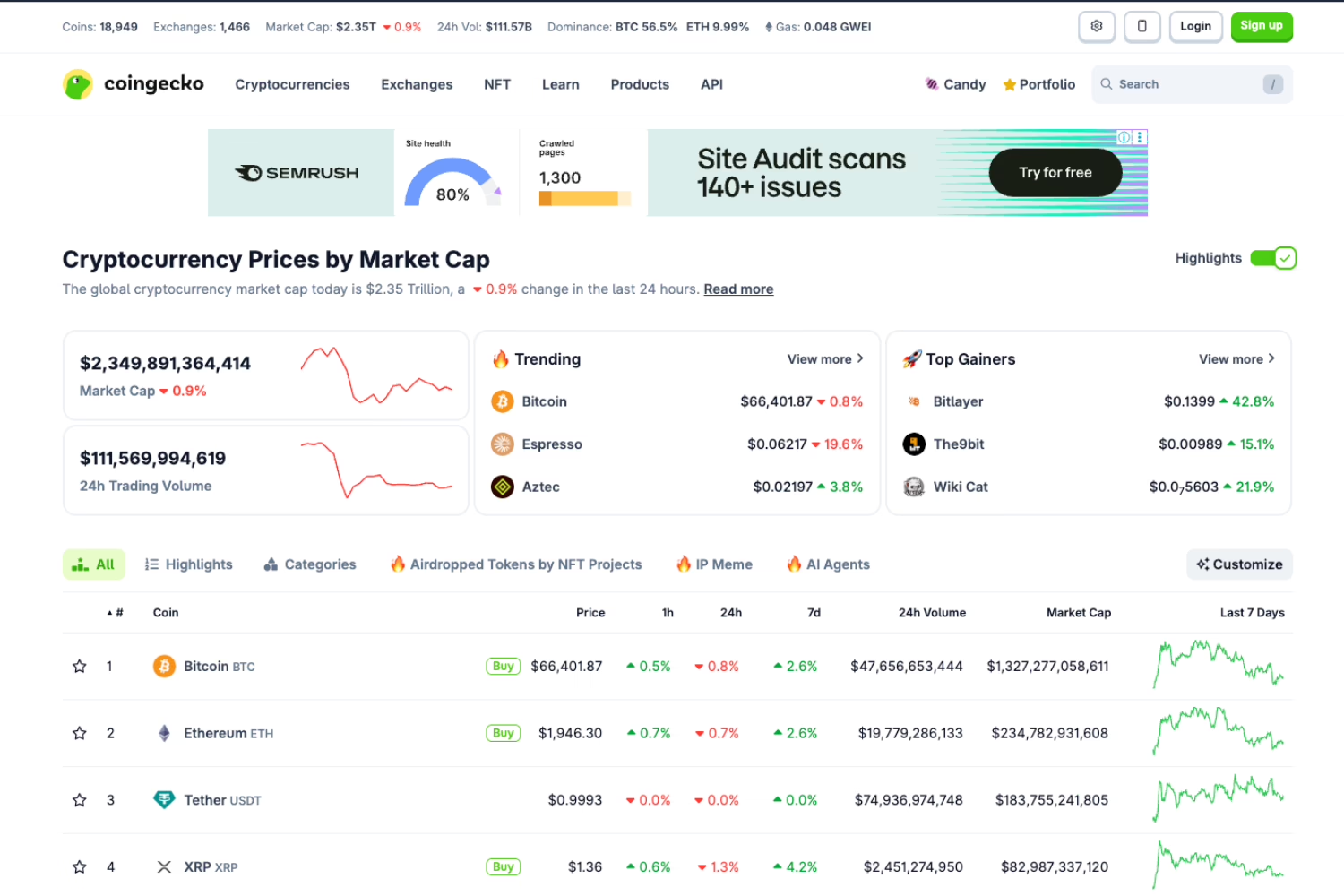
CoinGecko provides broad market data that helps put derivatives activity into context. It shows token supply, trading volume, valuation metrics, and basic project information.
Traders often use CoinGecko to check whether price movement is supported by real activity or driven by low liquidity and short-term speculation.
CoinMarketCap
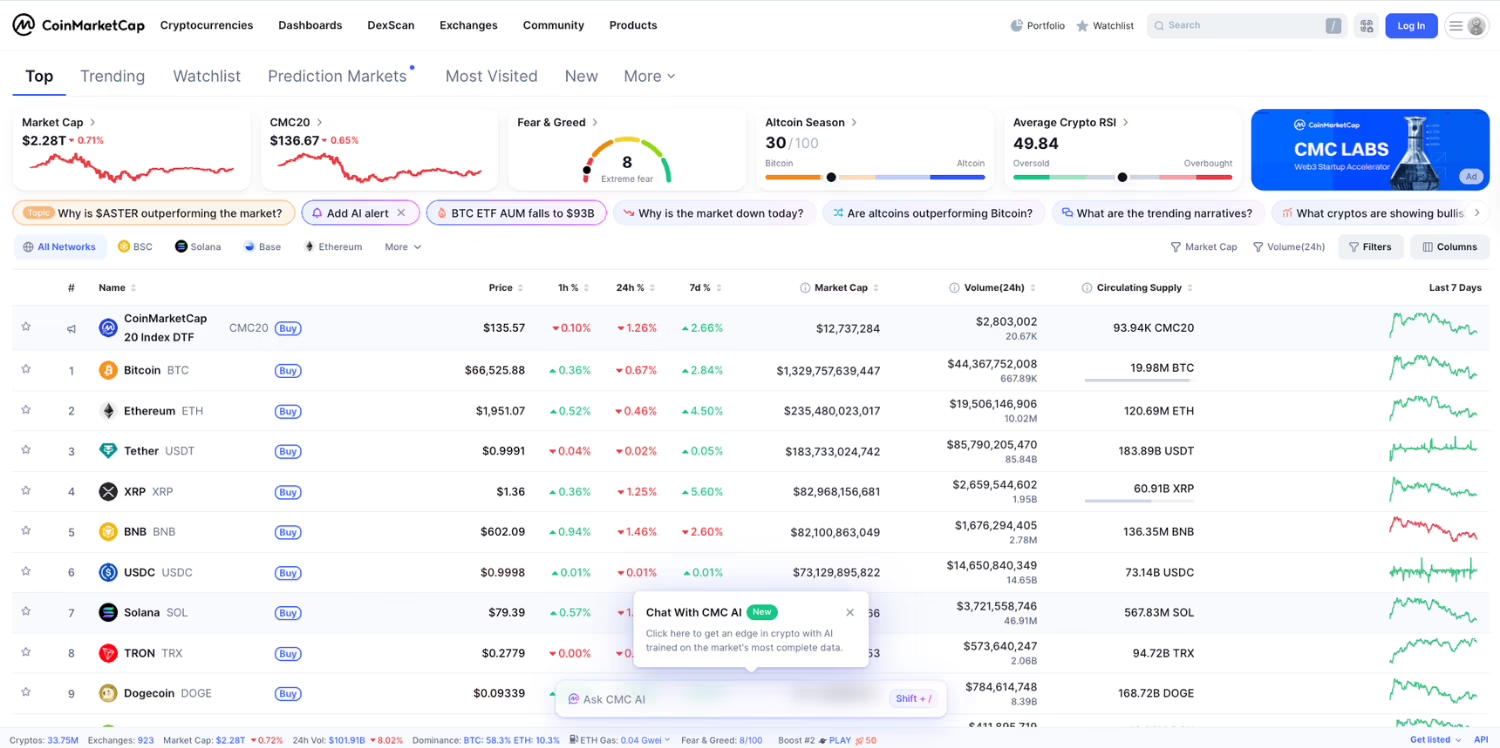
CoinMarketCap offers a simple overview of the crypto market. It is commonly used for checking prices, market rankings, and basic token data.
While it does not focus on derivatives, it helps users quickly understand the relative size and activity of different assets before digging deeper with more advanced tools.
Hyblock Capital
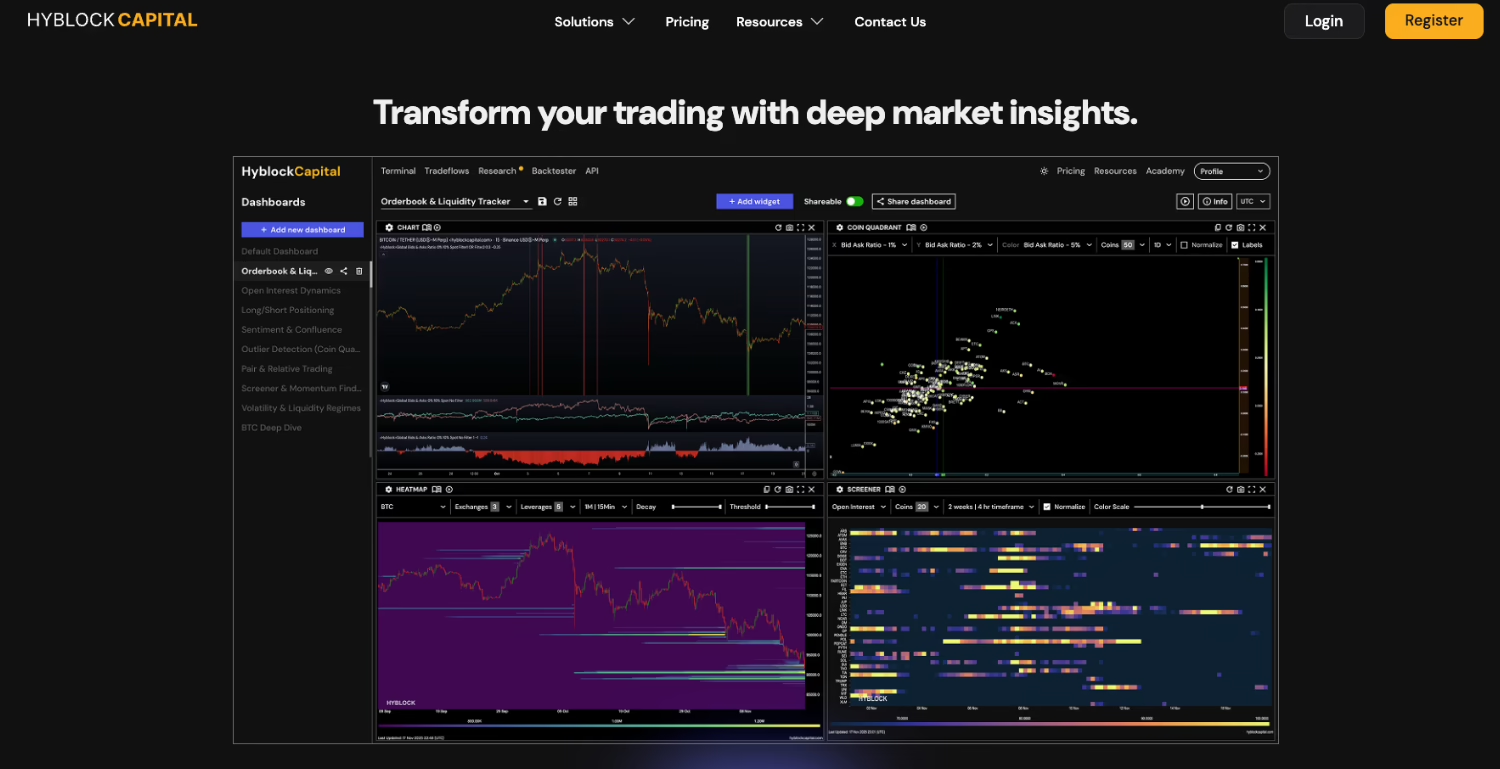
Hyblock Capital focuses on advanced derivatives and order-flow data. It tracks funding rates, open interest, liquidation levels, and market positioning to help users understand where leverage is concentrated.
The platform is mainly used by experienced traders who want deeper insight into how futures and perpetual markets are structured and where pressure may build before sharp price moves.