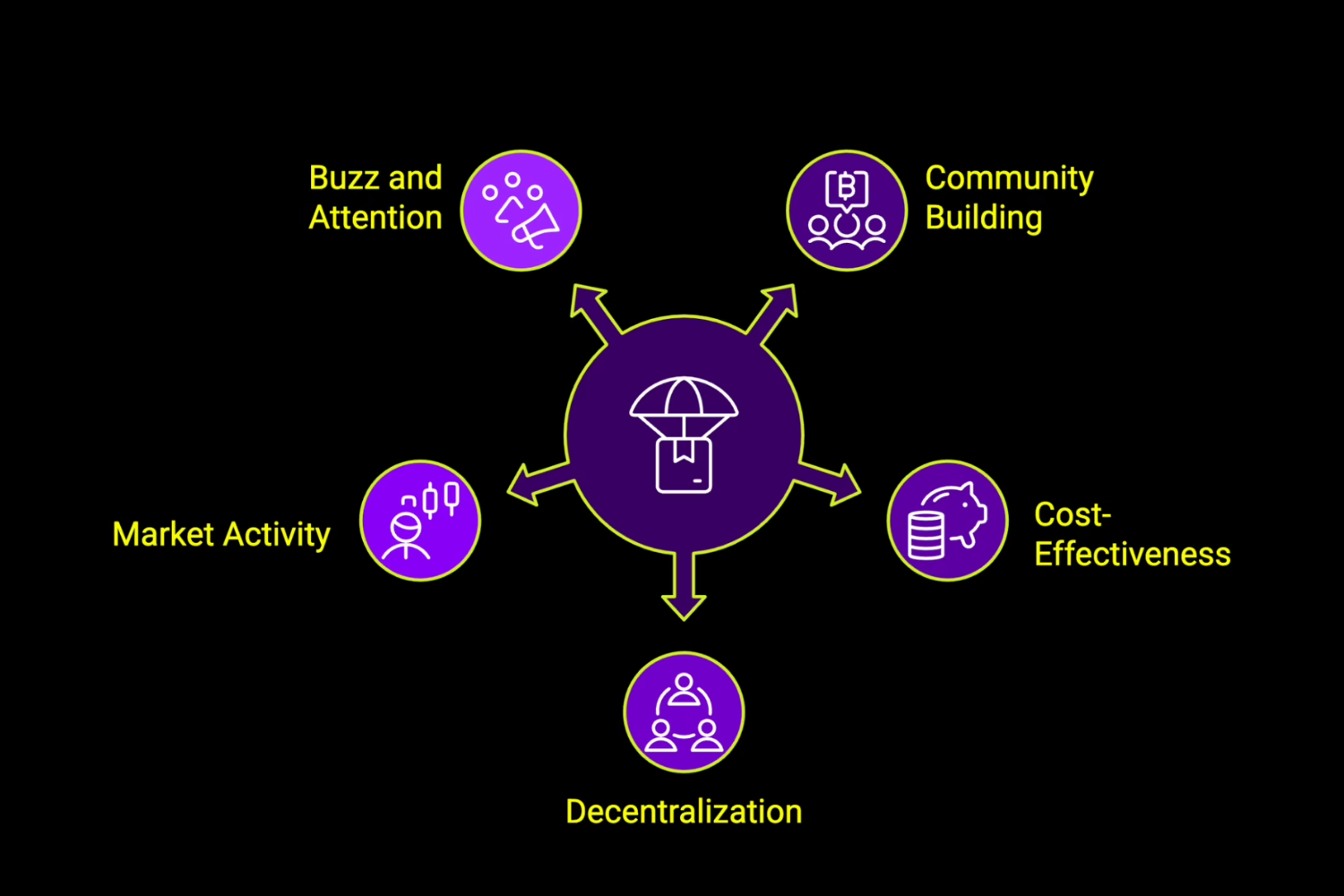
Airdrops have become an important part of blockchain marketing in 2026. They offer unique advantages that make them one of the most powerful growth levers in Web3 marketing:
Build Strong Communities
Airdrops encourage users to take part, not just sign up. When people earn tokens by using the product, they’re more likely to stay active, join conversations, and support the project as it grows.
Lower User Costs
Beyond engagement, airdrops are also cost-effective. They can reach large audiences without the high cost of traditional Google ads or Facebook ads. Many users also invite friends, which helps the community grow naturally.
Support Decentralization
As the user base expands, airdrops help spread token ownership more evenly. This creates a stronger sense of fairness, strengthens governance, and reduces the risk of central control.
Create Real Market Activity
A wider token distribution also leads to healthier market behaviour. With more holders involved, trading becomes more natural and less dependent on a small group of large wallets.
Generate Buzz and Attention
Finally, airdrops create momentum. Well-timed campaigns draw attention, spark conversations, and bring media interest, giving projects more opportunities to share their story with new users.
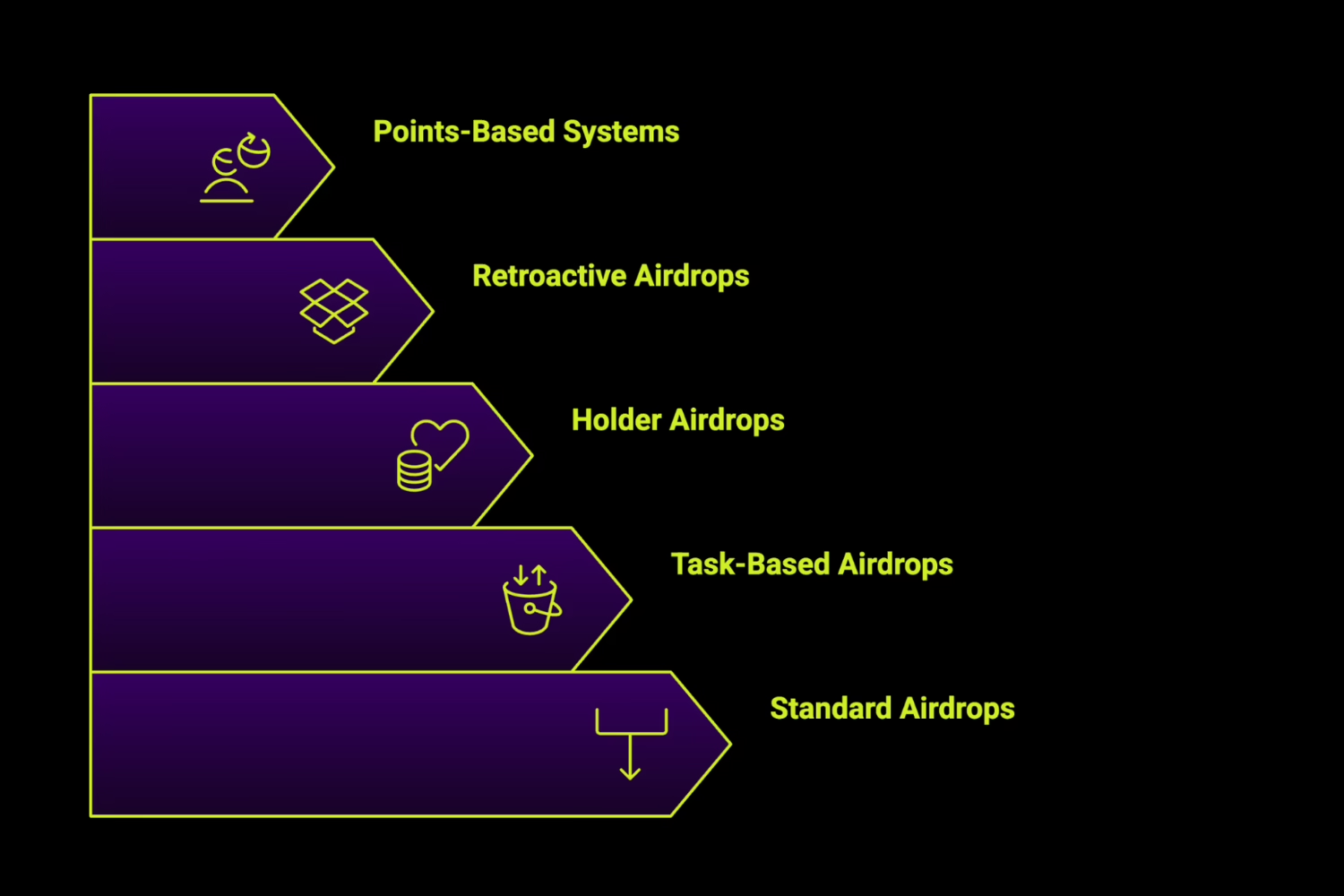
The type of airdrop you choose determines who you attract, how they engage, and whether they stick around. Let’s break down your options.
Standard Airdrops
This is the simplest type of airdrop. You take a snapshot of wallets that hold a specific token and send them your tokens automatically. Users do not need to complete tasks or register. If they qualify, they receive the tokens.
This approach is primarily a top-of-funnel awareness play, effective for rapid narrative seeding but historically prone to immediate sell-side pressure. It helps your token reach a large number of people in a short time and creates initial awareness.
However, because users did not actively participate, many may not feel connected to your project. Some may ignore the tokens, and others may sell quickly. This makes standard airdrops better for visibility than for building loyalty. This strategy works best when your priority is reach and brand awareness.
Task-Based Airdrops
In this model, users must complete certain actions before receiving tokens. These actions can include following social media accounts, joining community channels, testing a feature, or inviting friends.
The benefit is that users take small steps to engage with your project. This helps manage your community and increases visibility across platforms.
The challenge is that some participants may complete tasks only to earn free tokens and leave afterward. To improve results, tasks should go beyond simple clicks. Asking users to try your product, vote in governance, or provide feedback shows stronger interest and creates better long-term outcomes. This strategy works well when you want both growth and measurable engagement.
Holder Airdrops
Holder-based distributions target specific ecosystem participants to leverage existing network effects and encourage cross-protocol liquidity.
This approach is useful when you want to reward loyal supporters or connect your project with another ecosystem. It can strengthen relationships within an existing community.
However, it does not usually bring many new users, since it focuses on people who are already involved elsewhere. It is better for strengthening connections than for expanding your audience. This strategy works best when your goal is to grow partnerships or build community appreciation.
Retroactive Airdrops
Retroactive airdrops reward users who interacted with your product before a token even existed. For example, some major DeFi platforms later rewarded their early users with tokens.
This method builds strong loyalty because it recognizes real users who supported the project early on. It also sends a clear message that participation is valued.
The limitation is that it does not help attract new users immediately. It rewards past behaviour rather than encouraging new engagement. This strategy works best when you want to thank early supporters and strengthen long-term trust.
Points-Based Systems
Points-based systems are now one of the most popular approaches. Instead of giving tokens right away, users earn points over time by completing actions inside your product. Later, those points convert into tokens.
This keeps users active for longer periods and encourages ongoing participation rather than one-time activity. It also allows projects to measure real engagement before distributing tokens.
The key to making this work is having clear rules and reliable tracking. Users need to understand how they earn points and what those points are worth. This strategy works best when your goal is sustained engagement and long-term growth.
How to Choose What’s Best
Many successful projects mix these types. For example, reward early users with retroactive airdrops, keep users engaged with points, and grow the community with tasks. The best choice depends on:
- What stage is your project at
- What kind of users do you want
- How much work can you handle
Trying to do everything at once usually fails. Focus on one plan, do it well, then add more later.
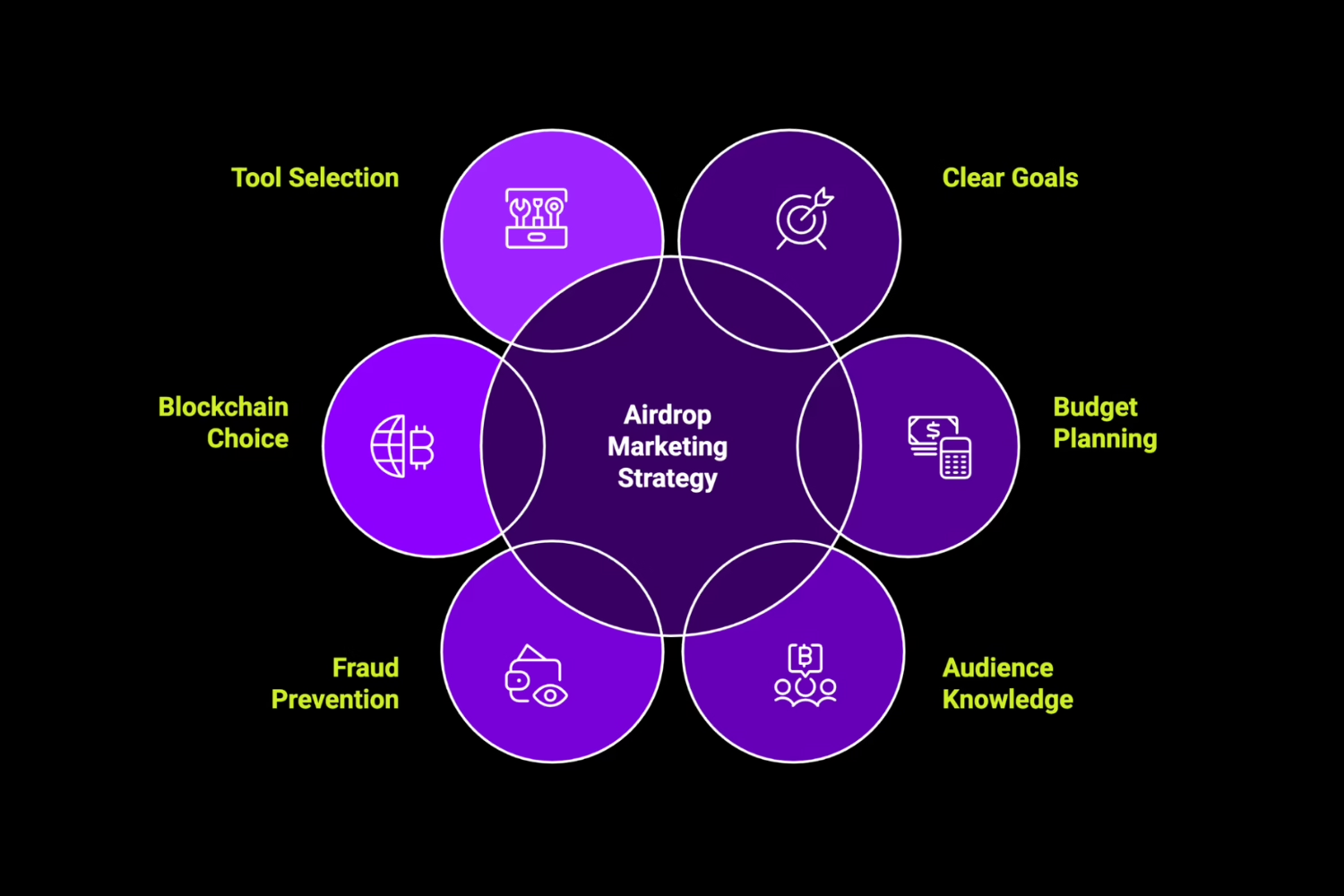
At theKOLLAB, we have worked with many crypto projects and launched successful campaigns. Here’s what we suggest you do for your airdrop campaign.
Set Clear Goals
Know what you want from your airdrop. Are you raising awareness, getting users active, or spreading governance tokens? Goals must be specific and measurable. For example, don’t just say “get more users.” Say “get 10,000 active users who make 5 transactions a month.”
Plan Your Budget
Set aside 10-25% of your marketing budget for the airdrop, and reserve 5-7% of your tokens for distribution in 3-5 phases. Phases keep interest high and avoid big token dumps.
- Small campaigns (under 5,000 users) usually cost $500 to $3,000.
- Medium ones (5,000 to 50,000 users) cost $3,000 to $10,000.
- Big campaigns (over 50,000 users) start at $10,000 a month.
Know Your Audience
Crypto fans are different. Some love DeFi and yield farming, others collect NFTs, some play-to-earn blockchain games, and some want governance power. Each group cares about different rewards. Learn Which audiance is right for your project and what motivates them.
Stop Fraud with Anti-Sybil Measures
Many airdrops get claimed by fake users with many wallets. Nearly half of Arbitrum’s airdrop was stolen this way. Implement behavioral fingerprinting and on-chain cluster analysis to identify automated script patterns and ensure capital is allocated to unique, high-value users.
Pick the Right Blockchain
Ethereum is trusted but expensive. Solana is cheap and fast. The base is growing fast with big backing. Polygon, Arbitrum, and Optimism balance cost and trust. Choose the chain where your real users are, not just where you want them to be.
Choose Your Tools
You can build custom smart contracts or use platforms like Merkle Distributor or Galaxy. Custom is flexible but needs more work and audits. At theKOLLAB, we partner with trusted platforms that balance security and functionality. Why reinvent the wheel when proven solutions exist?
Follow a 12-Week Plan
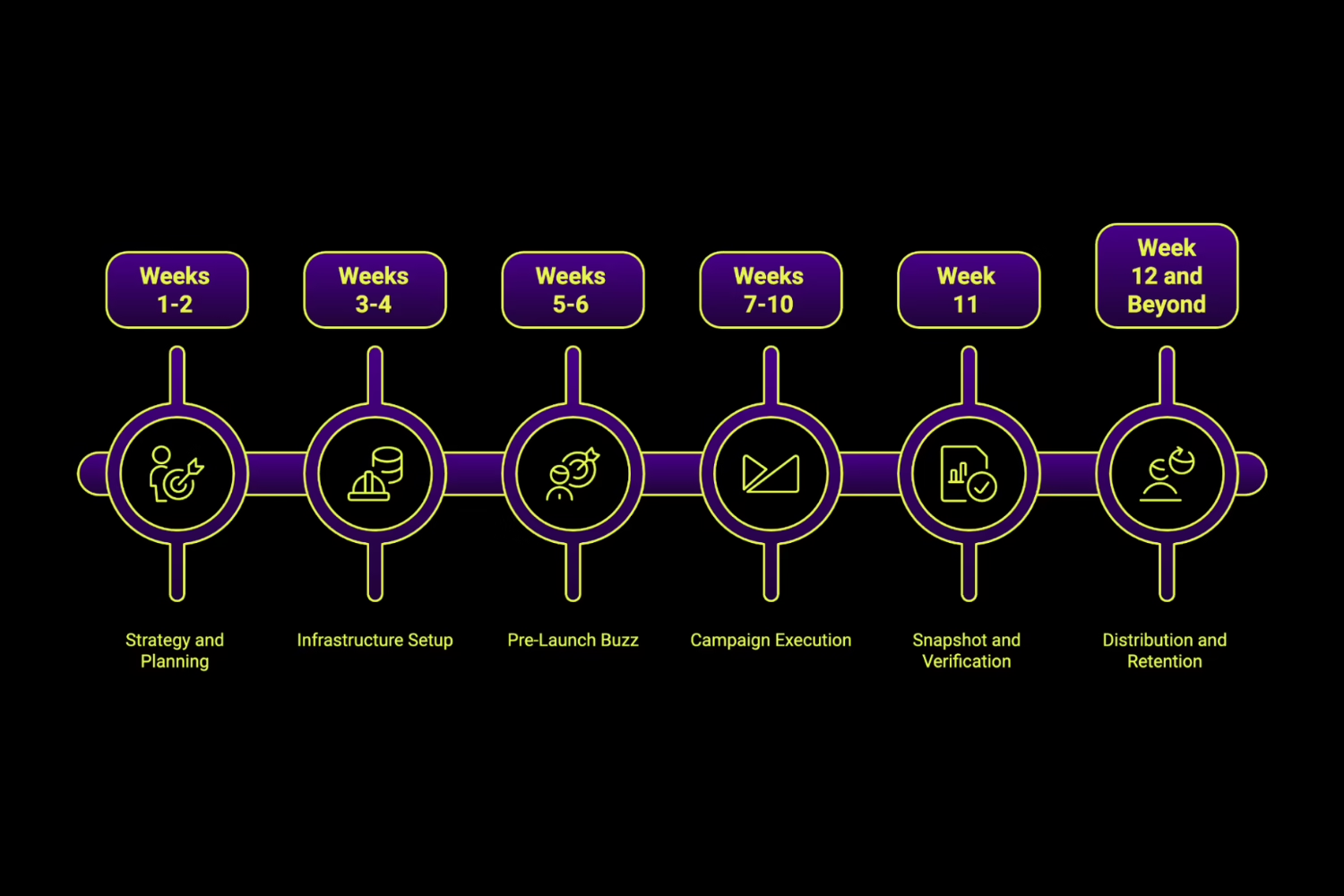
A successful airdrop needs enough time to plan, build, promote, and verify properly. A 12-week structure gives each stage the attention it needs, without rushing important steps like security checks or community building.
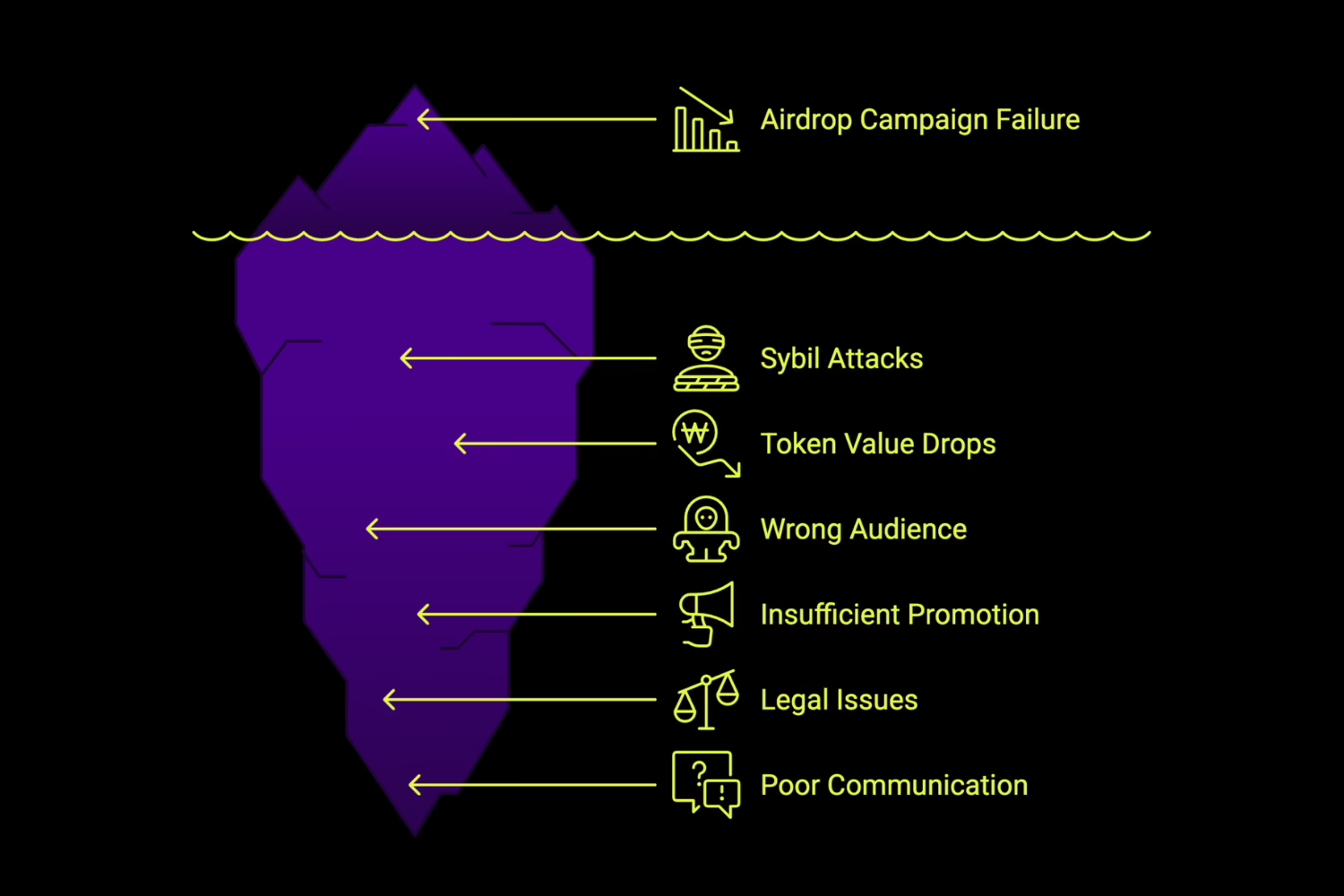
Let’s talk about what goes wrong. These are the mistakes we see repeatedly, and they’re all preventable.
Sybil Attacks
Fake wallets can take a large share of tokens, leaving real users frustrated and hurting trust. To avoid this, airdrops should reward activity over time and use basic anti-fraud checks. Clear rules and transparent updates, often shared through trusted crypto blogs, also help users understand the process and feel confident in the distribution.
Token Value Drops Too Fast
When tokens are released all at once, many users sell immediately. This creates strong selling pressure and harms the project’s image. A better approach is to launch airdrops after the product has real use and release tokens in stages with simple vesting rules. In some cases, working alongside crypto market makers can also help support healthy trading and reduce sharp price swings after launch.
Attracting the Wrong Audience
Some campaigns bring in users who are only there for free tokens. They claim, sell, and disappear. To prevent this, airdrops should include tasks that require real product use and reward users who stay active over time.
Not Enough Promotion
Even a well-designed airdrop won’t work if people don’t hear about it. Without proper promotion, through channels like crypto podcast appearances, participation stays low. Setting aside a clear budget for crypto marketing activities, influencers, and crypto PR helps the campaign reach the right audience.
Legal and Compliance Issues
Taxes and regulations are easy to ignore, but they can cause problems later. Getting legal advice early and setting clear participation rules helps reduce risk and keeps the campaign on track.
Poor Communication
If rules are unclear or updates are missing, users get confused and frustrated. Clear instructions, regular updates, and active community support help maintain trust throughout the campaign.
When these points are handled well, airdrops feel fair and well-organised. Instead of short-term hype, they help build real engagement and long-term growth.